Sympathetic Magic, chronique
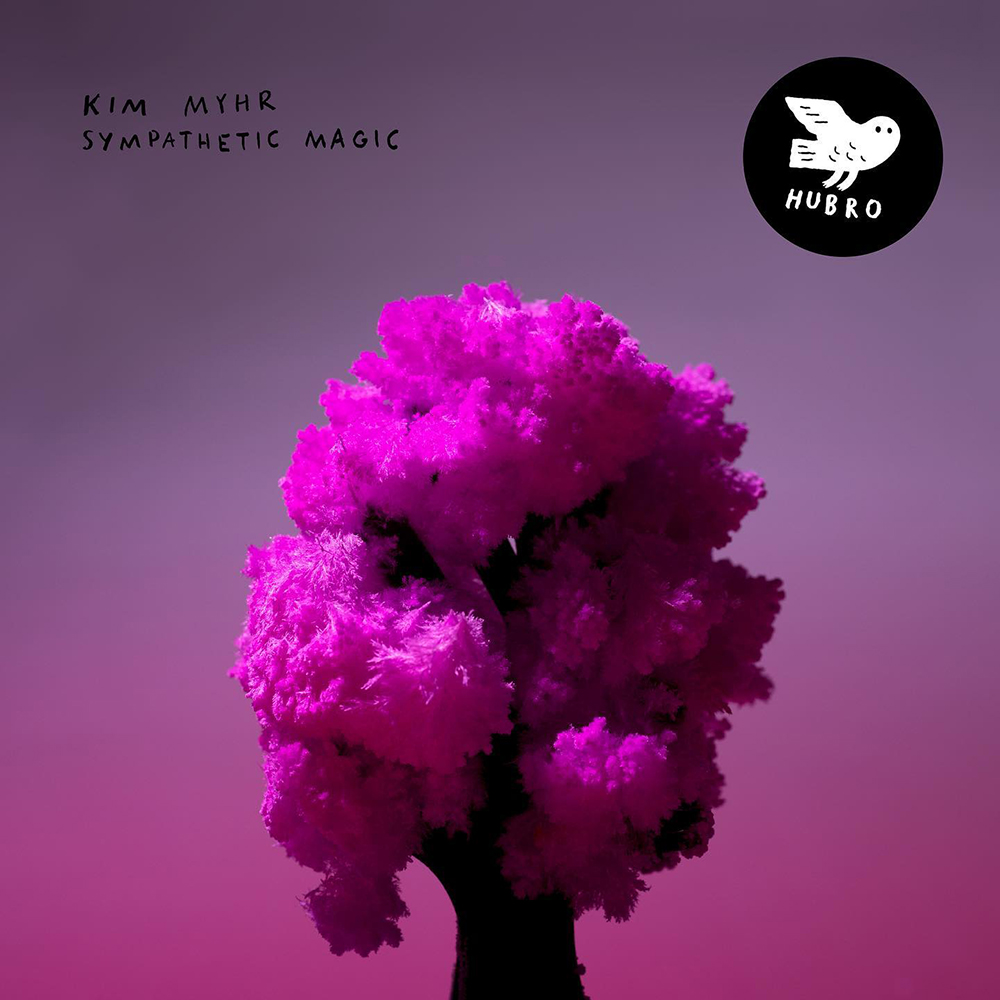
[et_pb_section fb_built= »1″ _builder_version= »4.16″ background_color= »#27657f » min_height= »407.7px » custom_padding= »68px||0px||| » global_colors_info= »{} »][et_pb_row make_equal= »on » custom_padding_last_edited= »on|phone » _builder_version= »4.16″ width= »60% » width_tablet= »90% » width_phone= »90% » width_last_edited= »on|phone » custom_margin= »||||false|false » custom_margin_tablet= » » custom_margin_phone= »0px||||false|false » custom_margin_last_edited= »on|phone » custom_padding_tablet= » » custom_padding_phone= »0px||||false|false » animation_style= »fade » global_colors_info= »{} »][et_pb_column type= »4_4″ _builder_version= »4.16″ global_colors_info= »{} »][et_pb_text content_last_edited= »off|desktop » _builder_version= »4.18.0″ text_text_color= »#ffffff » text_font_size= »50px » text_line_height= »1em » custom_padding= »30px||30px||true|false » global_colors_info= »{} »] KIM MYHR, Sympathetic Magic [/et_pb_text][et_pb_text _builder_version= »4.18.0″ text_font= »Roboto|100||||||| » text_text_color= »#ffffff » text_font_size= »28px » text_line_height= »1.2em » custom_margin= »9px||||| » custom_padding= »||2px||| » global_colors_info= »{} »] sortie le 19 août 2022 chez Hubro [/et_pb_text][et_pb_divider color= »#ff7ad2″ divider_style= »dotted » divider_position= »center » _builder_version= »4.16″ custom_margin= »0px||13px||false|false » custom_padding= »0px||0px||true|true » global_colors_info= »{} »][/et_pb_divider][et_pb_post_title title= »off » date_format= »j M Y » comments= »off » featured_image= »off » _builder_version= »4.16″ _module_preset= »default » meta_font= »Roboto|100||||||| » meta_text_color= »#FFFFFF » global_colors_info= »{} »][/et_pb_post_title][/et_pb_column][/et_pb_row][/et_pb_section][et_pb_section fb_built= »1″ custom_padding_last_edited= »on|phone » _builder_version= »4.16″ background_color= »#FFFFFF » custom_margin= »||||false|false » custom_margin_tablet= » » custom_margin_phone= »||0px||false|false » custom_margin_last_edited= »on|phone » custom_padding= »||||false|false » custom_padding_tablet= » » custom_padding_phone= »||0px||false|false » global_colors_info= »{} »][et_pb_row column_structure= »3_5,2_5″ _builder_version= »4.16″ width= »60% » width_tablet= »90% » width_phone= »90% » width_last_edited= »on|phone » custom_padding= »||2px||| » global_colors_info= »{} »][et_pb_column type= »3_5″ _builder_version= »4.16″ global_colors_info= »{} »][et_pb_image src= »https://pointbreak.fr/wp-content/uploads/2022/08/273584093_371503368121719_5657791794250807812_n.jpg » alt= »Sympathetic Magic de Kim Myhr » title_text= »Sympathetic Magic de Kim Myhr » _builder_version= »4.18.0″ _module_preset= »default » custom_margin= »||||false|false » animation_style= »fade » animation_direction= »left » animation_duration= »1450ms » border_color_all= »rgba(0,0,0,0.08) » box_shadow_style= »preset3″ box_shadow_vertical= »9px » global_colors_info= »{} »][/et_pb_image][et_pb_code _builder_version= »4.19.3″ _module_preset= »default » hover_enabled= »0″ global_colors_info= »{} » sticky_enabled= »0″]Sympathetic Magic by Kim Myhr[/et_pb_code][et_pb_text content_tablet= » ENGLISH / FRANÇAIS Far, very high. With tracks like Move The Rolling Sky, Iridescent or Up To The Sun Shall Go Your Heartache, Kim Myhr’s Sympathetic Magic is definitely aiming for the high ground. It rolls, it floats, it shines. Myhr takes his music by the care of the care and leaves in visitation. Majestic, this disc is. Indubitably. Careful, patient in these phases of production and very clever in the tangle of the sonorities taken one by one to the forces of the world. Easier in studio than in live to regulate its relationship to the psychedelic and cosmic heritage. No hint of demonstration here, no affected gesture, no obsolete speech. Kim Myhr is where he should be. In the volutes as purple as the album’s cover, as in the long soaring ascensions where the farfisa debates astronomy with the metronomic drums. Elsewhere, it is more than 200 takes which enamel and densify a penetrating music, penetrating as a trail of comet at the end of July will do. » content_phone= » ENGLISH / FRANÇAIS Far, very high. With tracks like Move The Rolling Sky, Iridescent or Up To The Sun Shall Go Your Heartache, Kim Myhr’s Sympathetic Magic is definitely aiming for the high ground. It rolls, it floats, it shines. Myhr takes his music by the care of the care and leaves in visitation. Majestic, this disc is. Indubitably. Careful, patient in these phases of production and very clever in the tangle of the sonorities taken one by one to the forces of the world. Easier in studio than in live to regulate its relationship to the psychedelic and cosmic heritage. No hint of demonstration here, no affected gesture, no obsolete speech. Kim Myhr is where he should be. In the volutes as purple as the album’s cover, as in the long soaring ascensions where the farfisa debates astronomy with the metronomic drums. Elsewhere, it is more than 200 takes which enamel and densify a penetrating music, penetrating as a trail of comet at the end of July will do. » content_last_edited= »on|phone » _builder_version= »4.18.0″ _module_preset= »default » text_text_color= »#000000″ text_font_size= »16px » custom_margin= »5%||||false|false » global_colors_info= »{} »] ENGLISH Far, very high. With tracks like Move The Rolling Sky, Iridescent or Up To The Sun Shall Go Your Heartache, Kim Myhr’s Sympathetic Magic is definitely aiming for the high ground. It rolls, it floats, it shines. Myhr takes his music by the care of the care and leaves in visitation. Majestic, this disc is. Indubitably. Careful, patient in these phases of production and very clever in the tangle of the sonorities taken one by one to the forces of the world. Easier in studio than in live to regulate its relationship to the psychedelic and cosmic heritage. No hint of demonstration here, no affected gesture, no obsolete speech. Kim Myhr is where he should be. In the volutes as purple as the album’s cover, as in the long soaring ascensions where the farfisa debates astronomy with the metronomic drums. Elsewhere, it is more than 200 takes which enamel and densify a penetrating music, penetrating as a trail of comet at the end of July will do. [/et_pb_text][/et_pb_column][et_pb_column type= »2_5″ _builder_version= »4.16″ global_colors_info= »{} »][et_pb_text _builder_version= »4.18.0″ _module_preset= »default » text_text_color= »#000000″ link_font= »Roboto|||||||| » link_text_color= »#ff6600″ global_colors_info= »{} »] Loin, très haut. Avec des titres comme Move The Rolling Sky, Iridescent ou Up To The Sun Shall Go Your Heartache, Sympathetic Magic de Kim Myhr vise sans aucun doute les hautes sphères. Ça roule, ça flotte, ça brille. Myhr prend sa musique par le soin des soins et part en visitation. Majestueux, ce disque l’est. Indubitablement. Soigné, patient dans ces phases de production et très malin dans l’enchevêtrement des sonorités prises une à une aux forces du monde. Plus simple en studio qu’en live de régler son rapport à l’héritage psyché et cosmique. Aucun soupçon de démonstration ici, aucun geste affecté, aucun discours obsolète. Kim Myhr est là où il doit être. Dans les volutes aussi violettes que la cover du disque, comme dans les longues ascensions planantes où le farfisa débat d’astronomie avec la batterie métronome. Ailleurs, c’est plus de 200 prises qui émaillent et densifient une musique pénétrante, comme une trainée de comète un soir de fin juillet. [/et_pb_text][et_pb_text _builder_version= »4.18.0″ link_text_color= »#FF6600″ custom_margin= »5%||||false|false » custom_padding= »||||false|false » global_colors_info= »{} »] —Kim Myhr : Site WebHubro : Bandcamp [/et_pb_text][/et_pb_column][/et_pb_row][/et_pb_section]
The Punk And The Gaffers, chronique
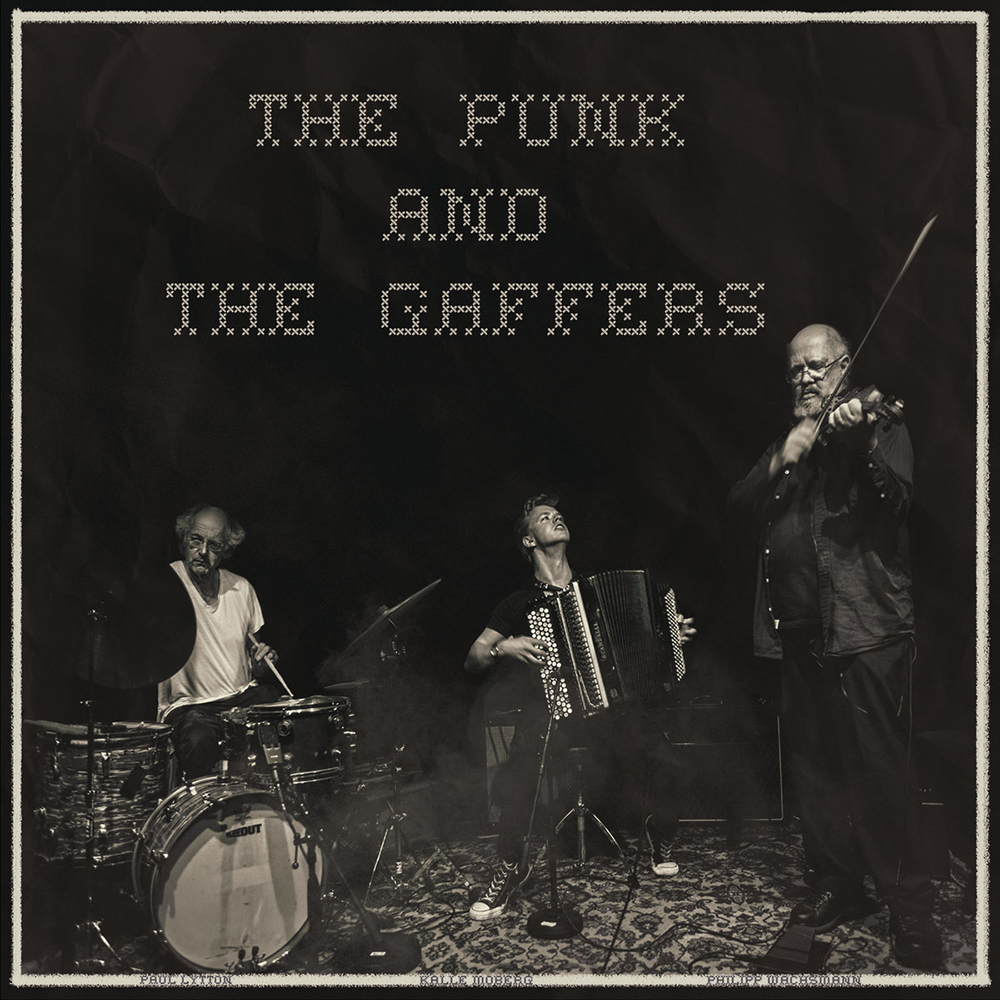
[et_pb_section fb_built= »1″ _builder_version= »4.16″ background_color= »#27657f » min_height= »407.7px » custom_padding= »68px||0px||| » global_colors_info= »{} »][et_pb_row make_equal= »on » custom_padding_last_edited= »on|phone » _builder_version= »4.16″ width= »60% » width_tablet= »90% » width_phone= »90% » width_last_edited= »on|phone » custom_margin= »||||false|false » custom_margin_tablet= » » custom_margin_phone= »0px||||false|false » custom_margin_last_edited= »on|phone » custom_padding_tablet= » » custom_padding_phone= »0px||||false|false » animation_style= »fade » global_colors_info= »{} »][et_pb_column type= »4_4″ _builder_version= »4.16″ global_colors_info= »{} »][et_pb_text content_last_edited= »off|desktop » _builder_version= »4.18.0″ text_text_color= »#ffffff » text_font_size= »50px » text_line_height= »1em » custom_padding= »30px||30px||true|false » global_colors_info= »{} »] WACHSMANN / MOBERG / LYTTON,The Punk And The Gaffers [/et_pb_text][et_pb_text _builder_version= »4.18.0″ text_font= »Roboto|100||||||| » text_text_color= »#ffffff » text_font_size= »28px » text_line_height= »1.2em » custom_margin= »9px||||| » custom_padding= »||2px||| » global_colors_info= »{} »] sortie le 14 mai 2021 chez Kamo Records [/et_pb_text][et_pb_divider color= »#ff7ad2″ divider_style= »dotted » divider_position= »center » _builder_version= »4.16″ custom_margin= »0px||13px||false|false » custom_padding= »0px||0px||true|true » global_colors_info= »{} »][/et_pb_divider][et_pb_post_title title= »off » date_format= »j M Y » comments= »off » featured_image= »off » _builder_version= »4.16″ _module_preset= »default » meta_font= »Roboto|100||||||| » meta_text_color= »#FFFFFF » global_colors_info= »{} »][/et_pb_post_title][/et_pb_column][/et_pb_row][/et_pb_section][et_pb_section fb_built= »1″ custom_padding_last_edited= »on|phone » _builder_version= »4.16″ background_color= »#FFFFFF » custom_margin= »||||false|false » custom_margin_tablet= » » custom_margin_phone= »||0px||false|false » custom_margin_last_edited= »on|phone » custom_padding= »||||false|false » custom_padding_tablet= » » custom_padding_phone= »||0px||false|false » global_colors_info= »{} »][et_pb_row column_structure= »3_5,2_5″ _builder_version= »4.16″ width= »60% » width_tablet= »90% » width_phone= »90% » width_last_edited= »on|phone » custom_padding= »||2px||| » global_colors_info= »{} »][et_pb_column type= »3_5″ _builder_version= »4.16″ global_colors_info= »{} »][et_pb_image src= »https://pointbreak.fr/wp-content/uploads/2022/08/punk.jpg » alt= »The Punk And The Gaffers » title_text= »The Punk And The Gaffers » _builder_version= »4.18.0″ _module_preset= »default » custom_margin= »||||false|false » animation_style= »fade » animation_direction= »left » animation_duration= »1450ms » border_color_all= »rgba(0,0,0,0.08) » box_shadow_style= »preset3″ box_shadow_vertical= »9px » global_colors_info= »{} »][/et_pb_image][et_pb_code _builder_version= »4.18.0″ _module_preset= »default » global_colors_info= »{} »]The Punk And The Gaffers by Wachsmann / Moberg / Lytton[/et_pb_code][et_pb_text content_tablet= » ENGLISH / FRANÇAIS 27’10. This is the time it took Paul Lytton, Kalle Moberg and Philipp Wachsmann to blast the codes of the sacrosanct Power Trio. The power, here, is, as we have seen live at the Météo festival, to be credited to the mastery of the gesture. The one that makes, produces and lets the music live. Strikes, slides and other trills of joy. From Moberg’s accordion, Wachsmann’s violin or Lytton’s drumkit, no instrument escapes this disconcerting simplicity that transforms the power into a miniature prodigy played at every moment of this unique improvised track of this record. Recorded live at Café Mir in Oslo for the Blow Out Festival, The Punk And The Gaffers, as this only track is called, reveals itself in its detours and masterful dynamics. The listening between the three musicians is perfect, a bed on which comes to rest a longtime creativity. Very simple, once again, but magnificent in what it produces of flashes, emotions and energy never contained. » content_phone= » ENGLISH / FRANÇAIS 27’10. This is the time it took Paul Lytton, Kalle Moberg and Philipp Wachsmann to blast the codes of the sacrosanct Power Trio. The power, here, is, as we have seen live at the Météo festival, to be credited to the mastery of the gesture. The one that makes, produces and lets the music live. Strikes, slides and other trills of joy. From Moberg’s accordion, Wachsmann’s violin or Lytton’s drumkit, no instrument escapes this disconcerting simplicity that transforms the power into a miniature prodigy played at every moment of this unique improvised track of this record. Recorded live at Café Mir in Oslo for the Blow Out Festival, The Punk And The Gaffers, as this only track is called, reveals itself in its detours and masterful dynamics. The listening between the three musicians is perfect, a bed on which comes to rest a longtime creativity. Very simple, once again, but magnificent in what it produces of flashes, emotions and energy never contained. » content_last_edited= »on|phone » _builder_version= »4.18.0″ _module_preset= »default » text_text_color= »#000000″ text_font_size= »16px » custom_margin= »5%||||false|false » hover_enabled= »0″ global_colors_info= »{} » sticky_enabled= »0″] ENGLISH 27’10. This is the time it took Paul Lytton, Kalle Moberg and Philipp Wachsmann to blast the codes of the sacrosanct Power Trio. The power, here, is, as we have seen live at the Météo festival, to be credited to the mastery of the gesture. The one that makes, produces and lets the music live. Strikes, slides and other trills of joy. From Moberg’s accordion, Wachsmann’s violin or Lytton’s drumkit, no instrument escapes this disconcerting simplicity that transforms the power into a miniature prodigy played at every moment of this unique improvised track of this record. Recorded live at Café Mir in Oslo for the Blow Out Festival, The Punk And The Gaffers, as this only track is called, reveals itself in its detours and masterful dynamics. The listening between the three musicians is perfect, a bed on which comes to rest a longtime creativity. Very simple, once again, but magnificent in what it produces of flashes, emotions and energy never contained. [/et_pb_text][/et_pb_column][et_pb_column type= »2_5″ _builder_version= »4.16″ global_colors_info= »{} »][et_pb_text _builder_version= »4.18.0″ _module_preset= »default » text_text_color= »#000000″ link_font= »Roboto|||||||| » link_text_color= »#ff6600″ hover_enabled= »0″ global_colors_info= »{} » sticky_enabled= »0″] 27’10. C’est le temps qu’il aura fallu à Paul Lytton, Kalle Moberg et Philipp Wachsmann pour retourner l’ongle du sacro-saint Power Trio. Le pouvoir, ici, est, on l’aura vu en live au festival Météo, à mettre au crédit de la maitrise du geste. Celui qui fabrique, produit et laisse vivre la musique. Frappe, glissade et autre trille de joie. De l’accordéon de Moberg, du violon de Wachsmann ou du drumkit de Lytton, aucun instru n’échappe à cette simplicité déconcertante qui transforme le power en prodige miniature joué à chaque instant de cette plage improvisée unique de ce disque. Enregistré live au Café Mir d’Oslo pour le Blow Out Festival, The Punk And The Gaffers, c’est le nom de cette plage, se livre dans ses détours et ses dynamiques magistrales. L’écoute entre les trois musiciens est parfaite, lit sur lequel vient se poser une créativité sans âge. Simple, une fois encore, mais magnifique dans ce qu’elle produit d’éclairs, d’émotions et d’énergie jamais contenue. [/et_pb_text][et_pb_text _builder_version= »4.18.0″ link_text_color= »#FF6600″ custom_margin= »5%||||false|false » custom_padding= »||||false|false » global_colors_info= »{} »] —The Punk And The Gaffers: Chronique de concertKamo Records : Bandcamp [/et_pb_text][/et_pb_column][/et_pb_row][/et_pb_section]
The Kort’dakian Crisis, chronique
[et_pb_section fb_built= »1″ _builder_version= »4.16″ background_color= »#27657f » min_height= »407.7px » custom_padding= »68px||0px||| » global_colors_info= »{} »][et_pb_row make_equal= »on » custom_padding_last_edited= »on|phone » _builder_version= »4.16″ width= »60% » width_tablet= »90% » width_phone= »90% » width_last_edited= »on|phone » custom_margin= »||||false|false » custom_margin_tablet= » » custom_margin_phone= »0px||||false|false » custom_margin_last_edited= »on|phone » custom_padding_tablet= » » custom_padding_phone= »0px||||false|false » animation_style= »fade » global_colors_info= »{} »][et_pb_column type= »4_4″ _builder_version= »4.16″ global_colors_info= »{} »][et_pb_text content_last_edited= »off|desktop » _builder_version= »4.18.0″ text_text_color= »#ffffff » text_font_size= »50px » text_line_height= »1em » custom_padding= »30px||30px||true|false » hover_enabled= »0″ global_colors_info= »{} » sticky_enabled= »0″] EMILIE ŠKRIJELJ, TOM MALMENDIERet MIKE LADD, The Kort’dakian Crisis [/et_pb_text][et_pb_text _builder_version= »4.18.0″ text_font= »Roboto|100||||||| » text_text_color= »#ffffff » text_font_size= »28px » text_line_height= »1.2em » custom_margin= »9px||||| » custom_padding= »||2px||| » global_colors_info= »{} »] sortie le 2 septembre 2022 chez eux sæm [/et_pb_text][et_pb_divider color= »#ff7ad2″ divider_style= »dotted » divider_position= »center » _builder_version= »4.16″ custom_margin= »0px||13px||false|false » custom_padding= »0px||0px||true|true » global_colors_info= »{} »][/et_pb_divider][et_pb_post_title title= »off » date_format= »j M Y » comments= »off » featured_image= »off » _builder_version= »4.16″ _module_preset= »default » meta_font= »Roboto|100||||||| » meta_text_color= »#FFFFFF » global_colors_info= »{} »][/et_pb_post_title][/et_pb_column][/et_pb_row][/et_pb_section][et_pb_section fb_built= »1″ custom_padding_last_edited= »on|phone » _builder_version= »4.16″ background_color= »#FFFFFF » custom_margin= »||||false|false » custom_margin_tablet= » » custom_margin_phone= »||0px||false|false » custom_margin_last_edited= »on|phone » custom_padding= »||||false|false » custom_padding_tablet= » » custom_padding_phone= »||0px||false|false » global_colors_info= »{} »][et_pb_row column_structure= »3_5,2_5″ _builder_version= »4.16″ width= »60% » width_tablet= »90% » width_phone= »90% » width_last_edited= »on|phone » custom_padding= »||2px||| » global_colors_info= »{} »][et_pb_column type= »3_5″ _builder_version= »4.16″ global_colors_info= »{} »][et_pb_image src= »https://pointbreak.fr/wp-content/uploads/2022/08/a1717904772_16.jpg » alt= »The Kort’dakian Crisis de Mike Ladd – Emilie Škrijelj – Tom Malmendier » title_text= »The Kort’dakian Crisis de Mike Ladd – Emilie Škrijelj – Tom Malmendier » _builder_version= »4.18.0″ _module_preset= »default » custom_margin= »||||false|false » animation_style= »fade » animation_direction= »left » animation_duration= »1450ms » border_color_all= »rgba(0,0,0,0.08) » box_shadow_style= »preset3″ box_shadow_vertical= »9px » global_colors_info= »{} »][/et_pb_image][et_pb_code _builder_version= »4.18.0″ _module_preset= »default » global_colors_info= »{} »]The Kort'dakian Crisis by Mike Ladd – Emilie Škrijelj – Tom Malmendier[/et_pb_code][et_pb_text content_tablet= » ENGLISH / FRANÇAIS Alarm! The Kort’dakian nation is in crisis. Is it a fiction? Yes. It is also the title of the record left since the festival Weather and August 2021 on the label Eux Saem. Sows, loves. Understand what you want of these phonemes. The truth is elsewhere. In the plastic organicity of this trio. We know the duo Emilie Škrijelj & Tom Malmendier, otherwise known as Les Marquises, we know Mike Ladd’s striking antics. Reunited, the 3 vocalists/instrumentalists deliver a tale of improvised anticipation, a modern and actual tale where a world disappears little by little in the wanderings and forgetfulness of what founded it. No link with ours? Possibly. Although. What is important with improvised music, as practiced, sought and found by Škrijelj & Malmendier, is that it lives with both feet in the most urgent reality. And Mike Ladd’s impatient ogre verve is not going to calm the game down. The Kort’dakian Crisis is not a solution, but a warning. Remember René Dumont and his glass of water in 1974. This very good record might not follow the same path of amused mockery and then oblivion. » content_phone= » ENGLISH / FRANÇAIS Alarm! The Kort’dakian nation is in crisis. Is it a fiction? Yes. It is also the title of the record left since the festival Weather and August 2021 on the label Eux Saem. Sows, loves. Understand what you want of these phonemes. The truth is elsewhere. In the plastic organicity of this trio. We know the duo Emilie Škrijelj & Tom Malmendier, otherwise known as Les Marquises, we know Mike Ladd’s striking antics. Reunited, the 3 vocalists/instrumentalists deliver a tale of improvised anticipation, a modern and actual tale where a world disappears little by little in the wanderings and forgetfulness of what founded it. No link with ours? Possibly. Although. What is important with improvised music, as practiced, sought and found by Škrijelj & Malmendier, is that it lives with both feet in the most urgent reality. And Mike Ladd’s impatient ogre verve is not going to calm the game down. The Kort’dakian Crisis is not a solution, but a warning. Remember René Dumont and his glass of water in 1974. This very good record might not follow the same path of amused mockery and then oblivion. » content_last_edited= »on|phone » _builder_version= »4.18.0″ _module_preset= »default » text_text_color= »#000000″ text_font_size= »16px » custom_margin= »5%||||false|false » hover_enabled= »0″ global_colors_info= »{} » sticky_enabled= »0″] ENGLISH Alarm! The Kort’dakian nation is in crisis. Is it a fiction? Yes. It is also the title of the record left since the festival Weather and August 2021 on the label Eux Saem. Sows, loves. Understand what you want of these phonemes. The truth is elsewhere. In the plastic organicity of this trio. We know the duo Emilie Škrijelj & Tom Malmendier, otherwise known as Les Marquises, we know Mike Ladd’s striking antics. Reunited, the 3 vocalists/instrumentalists deliver a tale of improvised anticipation, a modern and actual tale where a world disappears little by little in the wanderings and forgetfulness of what founded it. No link with ours? Possibly. Although. What is important with improvised music, as practiced, sought and found by Škrijelj & Malmendier, is that it lives with both feet in the most urgent reality. And Mike Ladd’s impatient ogre verve is not going to calm the game down. The Kort’dakian Crisis is not a solution, but a warning. Remember René Dumont and his glass of water in 1974. This very good record might not follow the same path of amused mockery and then oblivion. [/et_pb_text][/et_pb_column][et_pb_column type= »2_5″ _builder_version= »4.16″ global_colors_info= »{} »][et_pb_text _builder_version= »4.18.0″ _module_preset= »default » text_text_color= »#000000″ link_font= »Roboto|||||||| » link_text_color= »#ff6600″ hover_enabled= »0″ global_colors_info= »{} » sticky_enabled= »0″] Alarme ! La nation Kort’dakian est en crise. C’est une fiction ? Oui. C’est aussi le titre du disque laissée depuis le festival Météo et août 2021 sur le label Eux Saem. Sème, s’aime. Comprenez ce que vous voulez de ces phonèmes. La vérité est ailleurs. Dans l’organicité plastique de ce trio. On en connait le duo Emilie Škrijelj & Tom Malmendier, appelé autrement Les Marquises, on en connait les frasques frappées de Mike Ladd. Réunis, les 3 vocalistes/instrumentsites livrent un récit d’anticipation improvisée, un conte moderne et actuel où un monde disparait peu à peu dans ses errements et les oublis de ce qui le fonde. Aucun lien avec le nôtre ? Possible. Quoique. Ce qui est important avec la musique improvisée, telle que la pratiquent, la cherchent et la trouvent Škrijelj & Malmendier, c’est qu’elle vit les deux pieds dans la réalité la plus urgente. Et ce n’est pas la verve d’ogre impatient de Mike Ladd qui va calmer le jeu. The Kort’dakian Crisis s’anonce donc non comme un topo-solution que comme un mémo-avertissement. Remember René Dumont et son verre d’eau en 1974. Ce très bon disque pourrait ne suivre le même trajet de moqueries amusées puis d’oubli. [/et_pb_text][et_pb_text _builder_version= »4.18.0″ link_text_color= »#FF6600″ custom_margin= »5%||||false|false » custom_padding= »||||false|false » global_colors_info= »{} »] —Tropism : ChroniqueTom Malmendier : Site Web [/et_pb_text][/et_pb_column][/et_pb_row][/et_pb_section]
Musiques pour l’image, chronique
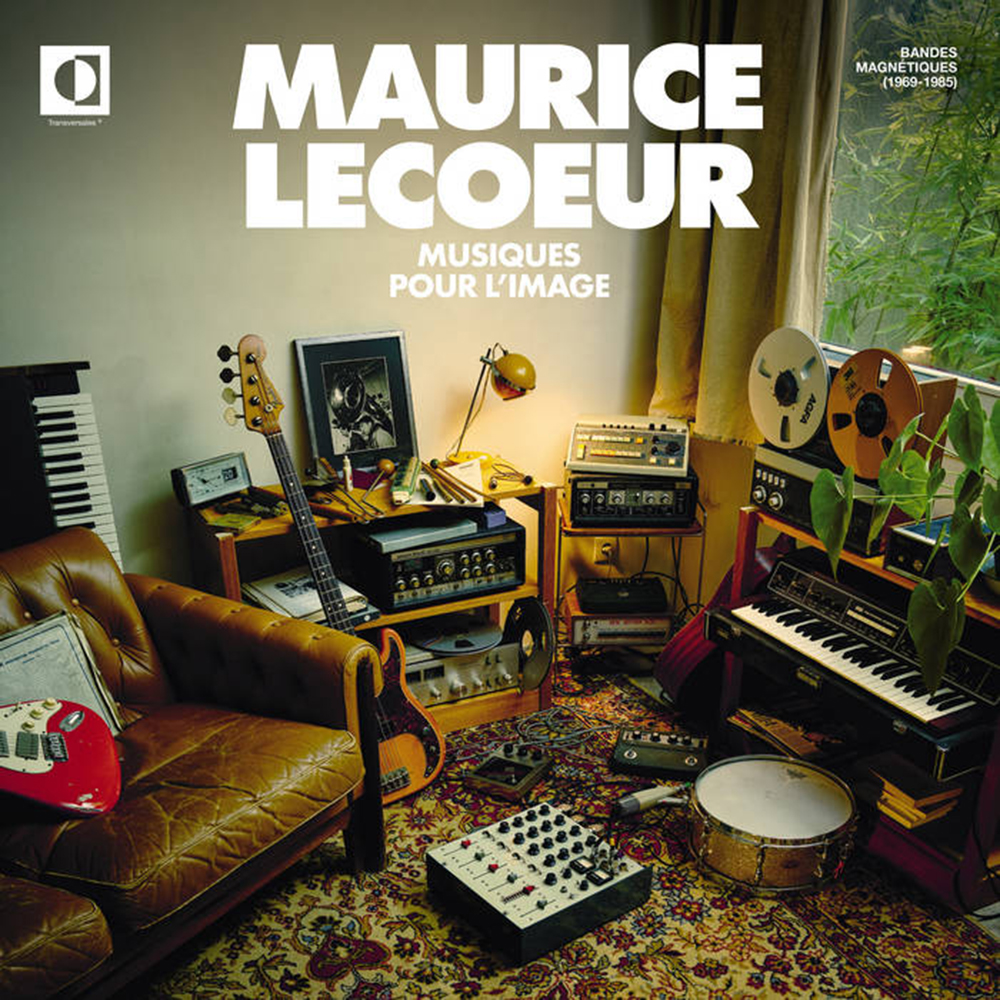
[et_pb_section fb_built= »1″ _builder_version= »4.16″ background_color= »#27657f » min_height= »407.7px » custom_padding= »68px||0px||| » global_colors_info= »{} »][et_pb_row make_equal= »on » custom_padding_last_edited= »on|phone » _builder_version= »4.16″ width= »60% » width_tablet= »90% » width_phone= »90% » width_last_edited= »on|phone » custom_margin= »||||false|false » custom_margin_tablet= » » custom_margin_phone= »0px||||false|false » custom_margin_last_edited= »on|phone » custom_padding_tablet= » » custom_padding_phone= »0px||||false|false » animation_style= »fade » global_colors_info= »{} »][et_pb_column type= »4_4″ _builder_version= »4.16″ global_colors_info= »{} »][et_pb_text content_last_edited= »off|desktop » _builder_version= »4.17.6″ text_text_color= »#ffffff » text_font_size= »50px » text_line_height= »1em » custom_padding= »30px||30px||true|false » global_colors_info= »{} »] MAURICE LECOEUR,Musiques pour l’image (1969-1985) [/et_pb_text][et_pb_text _builder_version= »4.17.5″ text_font= »Roboto|100||||||| » text_text_color= »#ffffff » text_font_size= »28px » text_line_height= »1.2em » custom_margin= »9px||||| » custom_padding= »||2px||| » global_colors_info= »{} »] sortie le 10 juin 2022 chez Transversales Disques [/et_pb_text][et_pb_divider color= »#ff7ad2″ divider_style= »dotted » divider_position= »center » _builder_version= »4.16″ custom_margin= »0px||13px||false|false » custom_padding= »0px||0px||true|true » global_colors_info= »{} »][/et_pb_divider][et_pb_post_title title= »off » date_format= »j M Y » comments= »off » featured_image= »off » _builder_version= »4.16″ _module_preset= »default » meta_font= »Roboto|100||||||| » meta_text_color= »#FFFFFF » global_colors_info= »{} »][/et_pb_post_title][/et_pb_column][/et_pb_row][/et_pb_section][et_pb_section fb_built= »1″ custom_padding_last_edited= »on|phone » _builder_version= »4.16″ background_color= »#FFFFFF » custom_margin= »||||false|false » custom_margin_tablet= » » custom_margin_phone= »||0px||false|false » custom_margin_last_edited= »on|phone » custom_padding= »||||false|false » custom_padding_tablet= » » custom_padding_phone= »||0px||false|false » global_colors_info= »{} »][et_pb_row column_structure= »3_5,2_5″ _builder_version= »4.16″ width= »60% » width_tablet= »90% » width_phone= »90% » width_last_edited= »on|phone » custom_padding= »||2px||| » global_colors_info= »{} »][et_pb_column type= »3_5″ _builder_version= »4.16″ global_colors_info= »{} »][et_pb_image src= »https://pointbreak.fr/wp-content/uploads/2022/07/a0692354025_16.jpg » alt= »Musiques pour l’image de Maurice Lecoeur » title_text= »Musiques pour l’image de Maurice Lecoeur » _builder_version= »4.17.5″ _module_preset= »default » custom_margin= »||||false|false » animation_style= »fade » animation_direction= »left » animation_duration= »1450ms » border_color_all= »rgba(0,0,0,0.08) » box_shadow_style= »preset3″ box_shadow_vertical= »9px » global_colors_info= »{} »][/et_pb_image][et_pb_code _builder_version= »4.17.6″ _module_preset= »default » global_colors_info= »{} »]Musiques pour l'image (1969-1985) by Maurice Lecoeur[/et_pb_code][et_pb_text content_tablet= » ENGLISH / FRANÇAIS Another secret revealed. After Sam Sanders, this week, here is a French nugget brought to light. Maurice Lecœur composed, people heard him but didn’t recognize him. So what? Nothing. For 20 years, his music for television, advertising and cinema have the collective memory of his time to the world musical future. Tied up in home-studio, undoubtedly overshadowed by that of François de Roubaix, the music of Maurice Lecœur does not however miss any. A multi-instrumentalist, a traditional jazz fanatic, a pop music enthusiast, and an electronics engineer, Lecœur is astonishing in his obsession with laying the foundations of his own universe. It’s a real paradox,%22 he confessed. At one point, I forbade myself to continue listening to François’ music. Because, unconsciously, that made me leave in an identical direction. I had to find another way, my own. This compilation-anthology combines pop fantasies with more interior tracks. Without revealing anything of the mystery of a man who left by his own means, without reason, with these tracks as the only traces left in the universe. Lightful but worried. » content_phone= » ENGLISH / FRANÇAIS Another secret revealed. After Sam Sanders, this week, here is a French nugget brought to light. Maurice Lecœur composed, people heard him but didn’t recognize him. So what? Nothing. For 20 years, his music for television, advertising and cinema have the collective memory of his time to the world musical future. Tied up in home-studio, undoubtedly overshadowed by that of François de Roubaix, the music of Maurice Lecœur does not however miss any. A multi-instrumentalist, a traditional jazz fanatic, a pop music enthusiast, and an electronics engineer, Lecœur is astonishing in his obsession with laying the foundations of his own universe. It’s a real paradox,%22 he confessed. At one point, I forbade myself to continue listening to François’ music. Because, unconsciously, that made me leave in an identical direction. I had to find another way, my own. This compilation-anthology combines pop fantasies with more interior tracks. Without revealing anything of the mystery of a man who left by his own means, without reason, with these tracks as the only traces left in the universe. Lightful but worried. » content_last_edited= »on|phone » _builder_version= »4.17.6″ _module_preset= »default » text_text_color= »#000000″ text_font_size= »16px » custom_margin= »5%||||false|false » global_colors_info= »{} »] ENGLISH Another secret revealed. After Sam Sanders, this week, here is a French nugget brought to light. Maurice Lecœur composed, people heard him but didn’t recognize him. So what? Nothing. For 20 years, his music for television, advertising and cinema have the collective memory of his time to the world musical future. Tied up in home-studio, undoubtedly overshadowed by that of François de Roubaix, the music of Maurice Lecœur does not however miss any. A multi-instrumentalist, a traditional jazz fanatic, a pop music enthusiast, and an electronics engineer, Lecœur is astonishing in his obsession with laying the foundations of his own universe. It’s a real paradox, » he confessed. At one point, I forbade myself to continue listening to François’ music. Because, unconsciously, that made me leave in an identical direction. I had to find another way, my own. This compilation-anthology combines pop fantasies with more interior tracks. Without revealing anything of the mystery of a man who left by his own means, without reason, with these tracks as the only traces left in the universe. Lightful but worried. [/et_pb_text][/et_pb_column][et_pb_column type= »2_5″ _builder_version= »4.16″ global_colors_info= »{} »][et_pb_text _builder_version= »4.17.6″ _module_preset= »default » text_text_color= »#000000″ link_font= »Roboto|||||||| » link_text_color= »#ff6600″ global_colors_info= »{} »] Encore un secret révélé. Après Sam Sanders, cette semaine aussi, voici une pépite française mise au jour. Maurice Lecœur a composé, les gens l’ont entendu mais pas reconnu. Et alors ? Rien. Pendant 20 ans, ses musiques pour la télévision, la publicité et le cinéma ont la mémoire collective de son époque à l’avenir musical mondial. Ficelée en home-studio, sans doute éclipsée par celle de François de Roubaix, la musique de Maurice Lecœur n’en manque pourtant pas. Multi-instrumentisme fondu, dingue de jazz trad et féru de pop music, ingénieur en électronique, Lecœur sidère dans son obsession de poser les jalons de son propre univers. « C’est un vrai paradoxe, confessait-il. A un moment donné, je me suis interdit de continuer à écouter les musiques de François. Parce que, inconsciemment, ça me faisait partir dans une direction identique. Il me fallait trouver une autre voie, la mienne. ». Cette compile-anthologie agrège les fantaisies pop à des tracks plus intérieurs. Sans rien dévoiler du mystère d’un homme parti par ses propres moyens, sans raison, avec ces morceaux pour seules traces laissées dans l’univers. Rutilantes et inquiètes. [/et_pb_text][et_pb_text _builder_version= »4.17.5″ link_text_color= »#FF6600″ custom_margin= »5%||||false|false » custom_padding= »||||false|false » global_colors_info= »{} »] —Maurice Lecoeur: BioTransversales Disques: Bandcamp [/et_pb_text][/et_pb_column][/et_pb_row][/et_pb_section]
Mirror Mirror, chronique
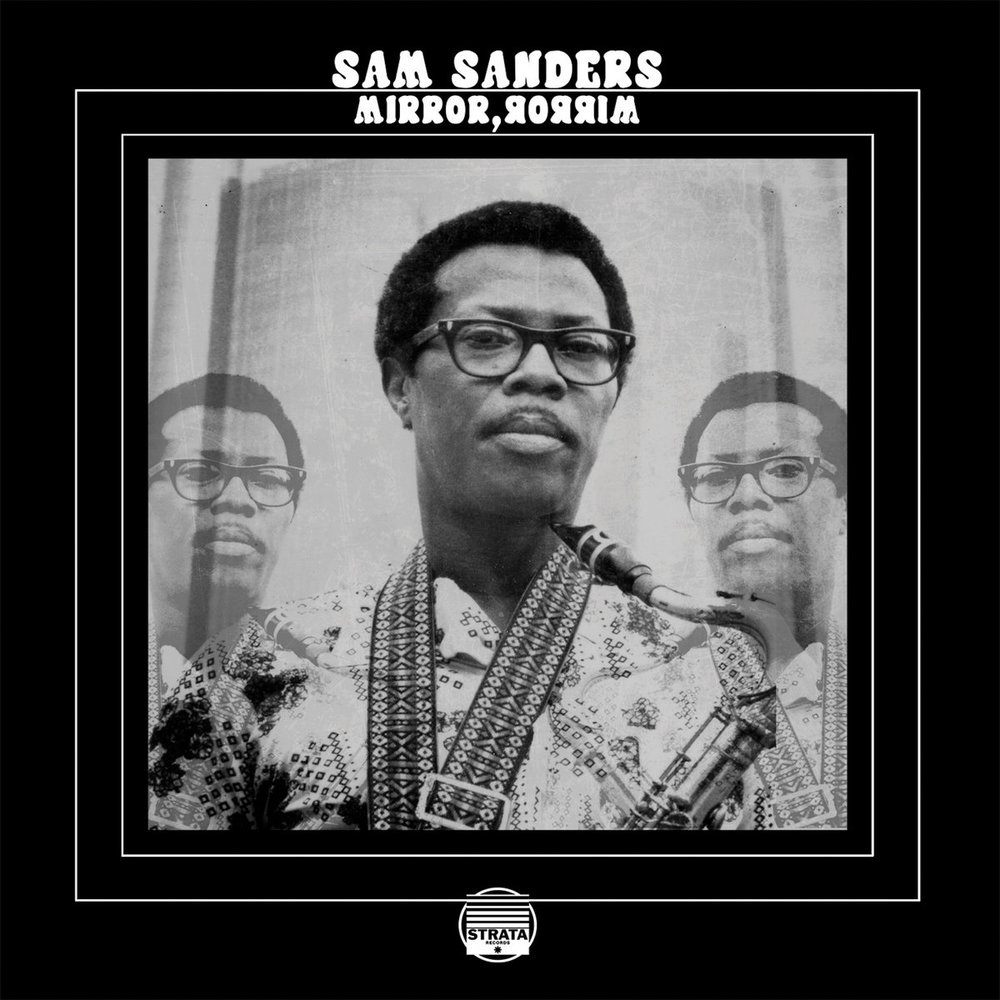
[et_pb_section fb_built= »1″ _builder_version= »4.16″ background_color= »#27657f » min_height= »407.7px » custom_padding= »68px||0px||| » global_colors_info= »{} »][et_pb_row make_equal= »on » custom_padding_last_edited= »on|phone » _builder_version= »4.16″ width= »60% » width_tablet= »90% » width_phone= »90% » width_last_edited= »on|phone » custom_margin= »||||false|false » custom_margin_tablet= » » custom_margin_phone= »0px||||false|false » custom_margin_last_edited= »on|phone » custom_padding_tablet= » » custom_padding_phone= »0px||||false|false » animation_style= »fade » global_colors_info= »{} »][et_pb_column type= »4_4″ _builder_version= »4.16″ global_colors_info= »{} »][et_pb_text content_last_edited= »off|desktop » _builder_version= »4.17.5″ text_text_color= »#ffffff » text_font_size= »50px » text_line_height= »1em » custom_padding= »30px||30px||true|false » global_colors_info= »{} »] SAM SANDERS, Mirror, Mirror [/et_pb_text][et_pb_text _builder_version= »4.17.5″ text_font= »Roboto|100||||||| » text_text_color= »#ffffff » text_font_size= »28px » text_line_height= »1.2em » custom_margin= »9px||||| » custom_padding= »||2px||| » global_colors_info= »{} »] sorti le 29 juillet 2022 chez BBE Music [/et_pb_text][et_pb_divider color= »#ff7ad2″ divider_style= »dotted » divider_position= »center » _builder_version= »4.16″ custom_margin= »0px||13px||false|false » custom_padding= »0px||0px||true|true » global_colors_info= »{} »][/et_pb_divider][et_pb_post_title title= »off » date_format= »j M Y » comments= »off » featured_image= »off » _builder_version= »4.16″ _module_preset= »default » meta_font= »Roboto|100||||||| » meta_text_color= »#FFFFFF » global_colors_info= »{} »][/et_pb_post_title][/et_pb_column][/et_pb_row][/et_pb_section][et_pb_section fb_built= »1″ custom_padding_last_edited= »on|phone » _builder_version= »4.16″ background_color= »#FFFFFF » custom_margin= »||||false|false » custom_margin_tablet= » » custom_margin_phone= »||0px||false|false » custom_margin_last_edited= »on|phone » custom_padding= »||||false|false » custom_padding_tablet= » » custom_padding_phone= »||0px||false|false » global_colors_info= »{} »][et_pb_row column_structure= »3_5,2_5″ _builder_version= »4.16″ width= »60% » width_tablet= »90% » width_phone= »90% » width_last_edited= »on|phone » custom_padding= »||2px||| » global_colors_info= »{} »][et_pb_column type= »3_5″ _builder_version= »4.16″ global_colors_info= »{} »][et_pb_image src= »https://pointbreak.fr/wp-content/uploads/2022/07/a1702798937_10.jpg » alt= »Mirror Mirror de Sam Sanders » title_text= »Mirror Mirror de Sam Sanders » _builder_version= »4.17.5″ _module_preset= »default » custom_margin= »||||false|false » animation_style= »fade » animation_direction= »left » animation_duration= »1450ms » border_color_all= »rgba(0,0,0,0.08) » box_shadow_style= »preset3″ box_shadow_vertical= »9px » global_colors_info= »{} »][/et_pb_image][et_pb_code _builder_version= »4.17.6″ _module_preset= »default » hover_enabled= »0″ global_colors_info= »{} » sticky_enabled= »0″]Sam Sanders Mirror, Mirror by Sam Sanders[/et_pb_code][et_pb_text content_tablet= » ENGLISH / FRANÇAIS Mirror, mirror, tell me who is the most beautiful. Come on, keep it in your pockets, Grimm brothers. This Mirror Mirror is not the kind of beauty scale. Sam Sanders will remain the bg of the two sides of this disc resurfaced from the joyful Strata Records catalog. DJ Amir and his 180 Proof Records with BBE Music continues to make real the dreams of the melancholic diggers. We are still in Detroit with saxophonist Sam Sanders who mixes with the same skill as a Magimix in need of smoothie, jazz, funk and electric soul. The breaks of this record are epic, unexpected and radical, they are the ones that make the engine of this machine go. Mirror Mirror is unstoppable in its narratives as in its settings. Free street soul with Inner City Player which unfolds the life of a Detroit hustler, introspective contemplation with Face At My Window, frontal jazz of Lover’s Gain. The rest of the album is fat and in the densest funk. These two sides could have opened treasures of invention to others. Too bad, there will remain this kind of apocryphal happiness to frighten the most orthodox. Merry genius bazaar. » content_phone= » ENGLISH / FRANÇAIS Mirror, mirror, tell me who is the most beautiful. Come on, keep it in your pockets, Grimm brothers. This Mirror Mirror is not the kind of beauty scale. Sam Sanders will remain the bg of the two sides of this disc resurfaced from the joyful Strata Records catalog. DJ Amir and his 180 Proof Records with BBE Music continues to make real the dreams of the melancholic diggers. We are still in Detroit with saxophonist Sam Sanders who mixes with the same skill as a Magimix in need of smoothie, jazz, funk and electric soul. The breaks of this record are epic, unexpected and radical, they are the ones that make the engine of this machine go. Mirror Mirror is unstoppable in its narratives as in its settings. Free street soul with Inner City Player which unfolds the life of a Detroit hustler, introspective contemplation with Face At My Window, frontal jazz of Lover’s Gain. The rest of the album is fat and in the densest funk. These two sides could have opened treasures of invention to others. Too bad, there will remain this kind of apocryphal happiness to frighten the most orthodox. Merry genius bazaar. » content_last_edited= »on|phone » _builder_version= »4.17.6″ _module_preset= »default » text_text_color= »#000000″ text_font_size= »16px » custom_margin= »5%||||false|false » hover_enabled= »0″ global_colors_info= »{} » sticky_enabled= »0″] ENGLISH Mirror, mirror, tell me who is the most beautiful. Come on, keep it in your pockets, Grimm brothers. This Mirror Mirror is not the kind of beauty scale. Sam Sanders will remain the bg of the two sides of this disc resurfaced from the joyful Strata Records catalog. DJ Amir and his 180 Proof Records with BBE Music continues to make real the dreams of the melancholic diggers. We are still in Detroit with saxophonist Sam Sanders who mixes with the same skill as a Magimix in need of smoothie, jazz, funk and electric soul. The breaks of this record are epic, unexpected and radical, they are the ones that make the engine of this machine go. Mirror Mirror is unstoppable in its narratives as in its settings. Free street soul with Inner City Player which unfolds the life of a Detroit hustler, introspective contemplation with Face At My Window, frontal jazz of Lover’s Gain. The rest of the album is fat and in the densest funk. These two sides could have opened treasures of invention to others. Too bad, there will remain this kind of apocryphal happiness to frighten the most orthodox. Merry genius bazaar. [/et_pb_text][/et_pb_column][et_pb_column type= »2_5″ _builder_version= »4.16″ global_colors_info= »{} »][et_pb_text _builder_version= »4.17.6″ _module_preset= »default » text_text_color= »#000000″ link_font= »Roboto|||||||| » link_text_color= »#ff6600″ hover_enabled= »0″ global_colors_info= »{} » sticky_enabled= »0″] Miroir, miroir, dis-moi qui est la plus belle. Allez, gardez ça dans votre potch comme un pitch, les frangins Grimm. Ce Mirror Mirror là n’est pas du genre balance à beauté. Sam Sanders restera le bg des deux faces de ce disque ressurgi des joyeux du catalogue Strata Records. DJ Amir et son 180 Proof Records avec BBE Music continue de rendre réel les rêves des diggers mélancoliques. On est toujours à Detroit avec le saxophoniste Sam Sanders qui mixe avec la même habileté qu’un Magimix en mal de smoothie, jazz, funk et soul électrique. Les breaks de ce disques sont épiques, inattendus et radicaux, ce sont eux qui font avancer le moteur de cette machine. Mirror Mirror est imparable dans ces récits comme dans ses décors. Free soul de rue avec Inner City Player qui déroule la vie d’un arnaqueur de Detroit, contemplation introspective avec Face At My Window, jazz frontal de Lover’s Gain. Le reste tape dans le gras et dans la funk la plus dense. Ces deux faces auraient pu ouvrir des trésors d’invention à d’autres. Tant pis, il restera ce genre de bonheur apocryphe à effrayer les plus orthodoxes. Joyeux bazar génial. [/et_pb_text][et_pb_text _builder_version= »4.17.5″ link_text_color= »#FF6600″ custom_margin= »5%||||false|false » custom_padding= »||||false|false » global_colors_info= »{} »] —DJ Amir : Chronique BBE Music : Site Web [/et_pb_text][/et_pb_column][/et_pb_row][/et_pb_section]
Kemo Sabe, chronique
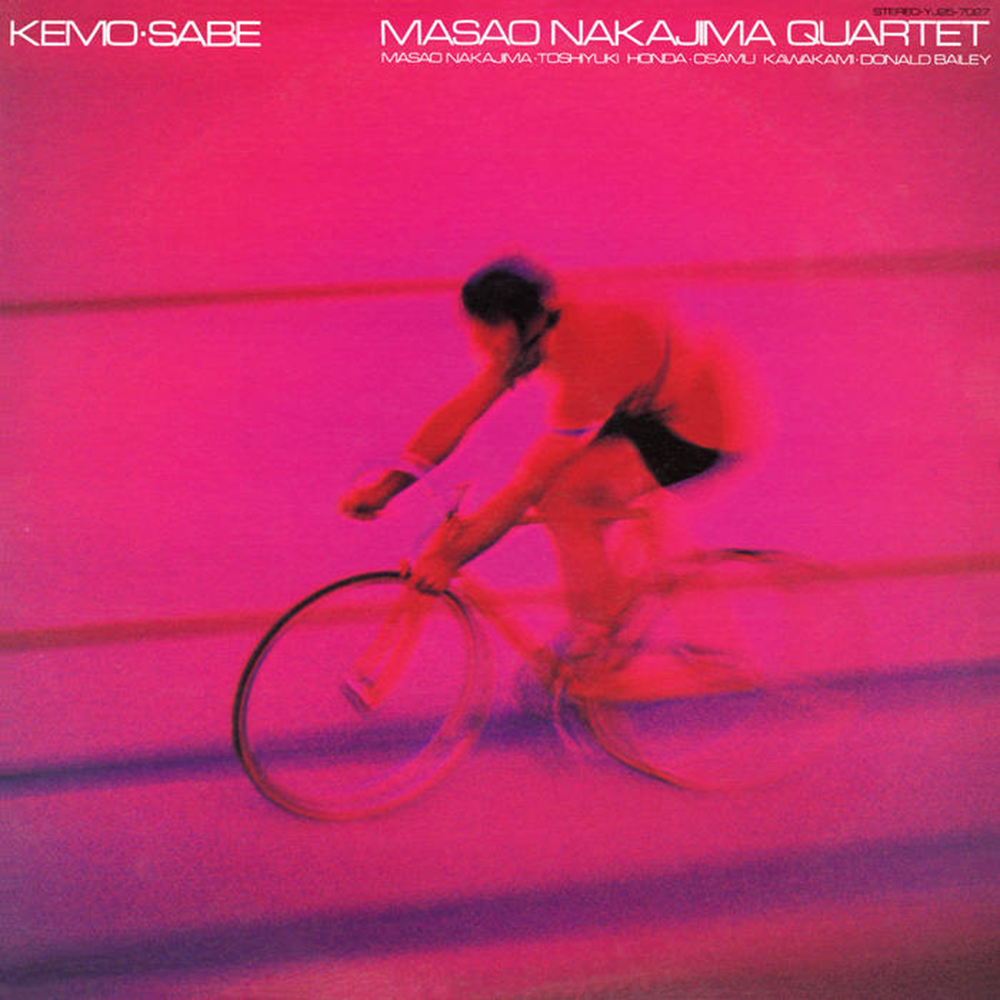
[et_pb_section fb_built= »1″ _builder_version= »4.16″ background_color= »#27657f » min_height= »407.7px » custom_padding= »68px||0px||| » global_colors_info= »{} »][et_pb_row make_equal= »on » custom_padding_last_edited= »on|phone » _builder_version= »4.16″ width= »60% » width_tablet= »90% » width_phone= »90% » width_last_edited= »on|phone » custom_margin= »||||false|false » custom_margin_tablet= » » custom_margin_phone= »0px||||false|false » custom_margin_last_edited= »on|phone » custom_padding_tablet= » » custom_padding_phone= »0px||||false|false » animation_style= »fade » global_colors_info= »{} »][et_pb_column type= »4_4″ _builder_version= »4.16″ global_colors_info= »{} »][et_pb_text content_last_edited= »off|desktop » _builder_version= »4.17.6″ text_text_color= »#ffffff » text_font_size= »50px » text_line_height= »1em » custom_padding= »30px||30px||true|false » global_colors_info= »{} »] MASAO NAKAJIMA QUARTET,Kemo Sabe [/et_pb_text][et_pb_text _builder_version= »4.17.5″ text_font= »Roboto|100||||||| » text_text_color= »#ffffff » text_font_size= »28px » text_line_height= »1.2em » custom_margin= »9px||||| » custom_padding= »||2px||| » global_colors_info= »{} »] réédition le 5 août 2022 chez BBE Music [/et_pb_text][et_pb_divider color= »#ff7ad2″ divider_style= »dotted » divider_position= »center » _builder_version= »4.16″ custom_margin= »0px||13px||false|false » custom_padding= »0px||0px||true|true » global_colors_info= »{} »][/et_pb_divider][et_pb_post_title title= »off » date_format= »j M Y » comments= »off » featured_image= »off » _builder_version= »4.16″ _module_preset= »default » meta_font= »Roboto|100||||||| » meta_text_color= »#FFFFFF » global_colors_info= »{} »][/et_pb_post_title][/et_pb_column][/et_pb_row][/et_pb_section][et_pb_section fb_built= »1″ custom_padding_last_edited= »on|phone » _builder_version= »4.16″ background_color= »#FFFFFF » custom_margin= »||||false|false » custom_margin_tablet= » » custom_margin_phone= »||0px||false|false » custom_margin_last_edited= »on|phone » custom_padding= »||||false|false » custom_padding_tablet= » » custom_padding_phone= »||0px||false|false » global_colors_info= »{} »][et_pb_row column_structure= »3_5,2_5″ _builder_version= »4.16″ width= »60% » width_tablet= »90% » width_phone= »90% » width_last_edited= »on|phone » custom_padding= »||2px||| » global_colors_info= »{} »][et_pb_column type= »3_5″ _builder_version= »4.16″ global_colors_info= »{} »][et_pb_image src= »https://pointbreak.fr/wp-content/uploads/2022/07/a2502609218_16.jpg » alt= »Kemo Sabe de Masao Nakajima Quartet » title_text= »Kemo Sabe de Masao Nakajima Quartet » _builder_version= »4.17.5″ _module_preset= »default » custom_margin= »||||false|false » animation_style= »fade » animation_direction= »left » animation_duration= »1450ms » border_color_all= »rgba(0,0,0,0.08) » box_shadow_style= »preset3″ box_shadow_vertical= »9px » global_colors_info= »{} »][/et_pb_image][et_pb_audio audio= »https://pointbreak.fr/wp-content/uploads/2022/07/Kemo-Sabe.mp3″ title= »Kemo-sabe » artist_name= »Masao Nakajima 4tet » album_name= »Kemo Sabe (1979) » _builder_version= »4.18.0″ _module_preset= »default » global_colors_info= »{} »][/et_pb_audio][et_pb_text content_tablet= » ENGLISH / FRANÇAIS A brilliant facet of J Jazz, Kemo Sabe has fun with its roots and possible inventions. On saxophone, Toshiyuki Honda, leader of the popular fusion band Burning Waves, blows on the embers. On drums, it’s Donald Bailey, regular American drummer for Jimmy Smith’s classic-boogaloo sessions on Blue Note. Even though it was recorded in an era when electric fusion was in full swing, Kemo Sabe remains squarely on its acoustic slope. The delicacy of the leader equals his power, all audible in the care taken in the production of the record. The Kirin runner of the cover will be able to do some laps, but this record is far from going in circles. Everything moves forward, within this classical invoice, this jazz does not reproduce anything that has been played before. It prolongs, propels and protects. Its roots and possible inventions. It remains to melt on each of the two sides of Kemo Sabe, to put on a helmet and to start a sprint to put in the ditch a Peter Sagan Sensei. » content_phone= » ENGLISH / FRANÇAIS A brilliant facet of J Jazz, Kemo Sabe has fun with its roots and possible inventions. On saxophone, Toshiyuki Honda, leader of the popular fusion band Burning Waves, blows on the embers. On drums, it’s Donald Bailey, regular American drummer for Jimmy Smith’s classic-boogaloo sessions on Blue Note. Even though it was recorded in an era when electric fusion was in full swing, Kemo Sabe remains squarely on its acoustic slope. The delicacy of the leader equals his power, all audible in the care taken in the production of the record. The Kirin runner of the cover will be able to do some laps, but this record is far from going in circles. Everything moves forward, within this classical invoice, this jazz does not reproduce anything that has been played before. It prolongs, propels and protects. Its roots and possible inventions. It remains to melt on each of the two sides of Kemo Sabe, to put on a helmet and to start a sprint to put in the ditch a Peter Sagan Sensei. » content_last_edited= »on|phone » _builder_version= »4.17.6″ _module_preset= »default » text_text_color= »#000000″ text_font_size= »16px » custom_margin= »5%||||false|false » global_colors_info= »{} »] ENGLISH A brilliant facet of J Jazz, Kemo Sabe has fun with its roots and possible inventions. On saxophone, Toshiyuki Honda, leader of the popular fusion band Burning Waves, blows on the embers. On drums, it’s Donald Bailey, regular American drummer for Jimmy Smith’s classic-boogaloo sessions on Blue Note. Even though it was recorded in an era when electric fusion was in full swing, Kemo Sabe remains squarely on its acoustic slope. The delicacy of the leader equals his power, all audible in the care taken in the production of the record. The Kirin runner of the cover will be able to do some laps, but this record is far from going in circles. Everything moves forward, within this classical invoice, this jazz does not reproduce anything that has been played before. It prolongs, propels and protects. Its roots and possible inventions. It remains to melt on each of the two sides of Kemo Sabe, to put on a helmet and to start a sprint to put in the ditch a Peter Sagan Sensei. [/et_pb_text][/et_pb_column][et_pb_column type= »2_5″ _builder_version= »4.16″ global_colors_info= »{} »][et_pb_text _builder_version= »4.17.6″ _module_preset= »default » text_text_color= »#000000″ link_font= »Roboto|||||||| » link_text_color= »#ff6600″ global_colors_info= »{} »] Facette brillante du J Jazz, Kemo Sabe s’amuse de ses racines et et des inventions possibles. Au saxophone, Toshiyuki Honda, leader du populaire groupe de fusion Burning Waves, souffle sur la braise. À la batterie, c’est Donald Bailey, batteur américain régulier des sessions classico-boogaloo de Jimmy Smith sur Blue Note. Même s’il est enregistré à l’ère où la fusion électrique est en pleine bourre, Kemo Sabe reste carrément sur sa pente acoustique. La délicatesse du leader égale sa puissance, tout est audible dans le soin pris à la production du disque. Le coureur de Kirin de la pochette aura beau faire des tours de piste, ce disque est loin de tourner en rond. Tout avance, au sein de cette facture classique, ce jazz ne reproduit rien de ce qui a peu être joué auparavant. Il prolonge, propulse et protège. Ses racines et les inventions possibles. Reste à se fondre sur chacune des deux faces de Kemo Sabe, enfiler un casque et déclencher un sprint à mettre dans le fossé un Peter Sagan Sensei. [/et_pb_text][et_pb_text _builder_version= »4.17.5″ link_text_color= »#FF6600″ custom_margin= »5%||||false|false » custom_padding= »||||false|false » global_colors_info= »{} »] —Masao Nakajima Quartet : DiscogsBBE Music : Site Web [/et_pb_text][/et_pb_column][/et_pb_row][/et_pb_section]
Jacqueline Caux, interview

[et_pb_section fb_built= »1″ _builder_version= »4.17.5″ background_color= »#663333″ width= »100% » max_width= »100% » global_colors_info= »{} »][et_pb_row make_equal= »on » custom_padding_last_edited= »on|tablet » _builder_version= »4.16″ width= »60% » width_tablet= »90% » width_phone= » » width_last_edited= »on|tablet » custom_margin= »||||false|false » custom_padding_tablet= »0px||0px||true|false » custom_padding_phone= » » animation_style= »fade » global_colors_info= »{} »][et_pb_column type= »4_4″ _builder_version= »4.16″ global_colors_info= »{} »][et_pb_text _builder_version= »4.17.5″ text_text_color= »#ffffff » text_font_size= »50px » text_line_height= »1em » header_font= »Roboto|300||||||| » header_text_color= »#FFFFFF » header_font_size= »50px » custom_padding= »0.5em||0.5em||true|false » custom_padding_tablet= » » custom_padding_phone= »0em||0em||true|false » custom_padding_last_edited= »on|phone » header_font_size_tablet= » » header_font_size_phone= »40px » header_font_size_last_edited= »on|phone » global_colors_info= »{} »] Jacqueline Caux, can’t stop won’t stop [/et_pb_text][et_pb_text _builder_version= »4.17.5″ text_text_color= »#ffffff » text_font_size= »28px » text_line_height= »1.2em » custom_margin= »9px||||| » custom_padding= »||2px||| » text_font_size_tablet= » » text_font_size_phone= »18px » text_font_size_last_edited= »on|phone » global_colors_info= »{} »] Jacqueline Caux, réalisatrice fan de Detroit, passait à Dijon le 9 juillet. Why Note projetait deux de ses films sur la naissance de la Techno. PointBreak en a profité pour causer décombres, automobile et free jazz. Premier shot de parole avant l’intégralité à paraitre en octobre le numéro 2 de la revue papier. [/et_pb_text][et_pb_divider color= »#0ca8cc » divider_style= »dotted » divider_position= »center » _builder_version= »4.16″ custom_margin= »0px||13px||false|false » custom_padding= »0px||0px||true|true » global_colors_info= »{} »][/et_pb_divider][et_pb_post_title title= »off » date_format= »j M Y » comments= »off » featured_image= »off » _builder_version= »4.16″ title_level= »h4″ title_font= »|600||||||| » title_text_color= »#ffffff » meta_font= »Roboto|100||||||| » meta_text_color= »#ffffff » meta_font_size= »16px » meta_line_height= »0.9em » meta_font_size_tablet= » » meta_font_size_phone= »14px » meta_font_size_last_edited= »on|phone » global_colors_info= »{} »][/et_pb_post_title][/et_pb_column][/et_pb_row][/et_pb_section][et_pb_section fb_built= »1″ fullwidth= »on » _builder_version= »4.16″ background_enable_image= »off » global_colors_info= »{} »][et_pb_fullwidth_image src= »https://pointbreak.fr/wp-content/uploads/2022/07/Detroit.jpg » alt= »Extrait de Never Stop » title_text= »Extrait de Never Stop » _builder_version= »4.17.5″ global_colors_info= »{} »][/et_pb_fullwidth_image][/et_pb_section][et_pb_section fb_built= »1″ _builder_version= »4.16″ _module_preset= »default » background_enable_color= »off » custom_margin= »0px||0px||true|false » custom_padding= »0px||0px||true|false » global_colors_info= »{} »][et_pb_row _builder_version= »4.16″ _module_preset= »default » width= »70% » width_tablet= »90% » width_phone= » » width_last_edited= »on|tablet » custom_margin= »0px||0px||true|false » custom_padding= »0px||0px||true|false » global_colors_info= »{} »][et_pb_column type= »4_4″ _builder_version= »4.16″ _module_preset= »default » global_colors_info= »{} »][et_pb_text _builder_version= »4.17.5″ _module_preset= »default » text_font_size= »14px » custom_margin= »1%||4px||false|false » text_font_size_tablet= » » text_font_size_phone= »12px » text_font_size_last_edited= »on|phone » global_colors_info= »{} »] Capture d’écran du film Never Stop – Une musique qui résiste © Jacqueline Caux [/et_pb_text][/et_pb_column][/et_pb_row][/et_pb_section][et_pb_section fb_built= »1″ _builder_version= »4.16″ background_enable_color= »off » custom_padding= »2em||0px||false|false » global_colors_info= »{} »][et_pb_row _builder_version= »4.16″ width= »70% » width_tablet= »90% » width_phone= » » width_last_edited= »on|tablet » custom_padding= »1em||2px||false|false » global_colors_info= »{} »][et_pb_column type= »4_4″ _builder_version= »4.16″ global_colors_info= »{} »][et_pb_text _builder_version= »4.17.5″ text_text_color= »#000000″ link_font= »||on|||||| » link_text_color= »#ff6600″ hover_enabled= »0″ text_font_size_tablet= » » text_font_size_phone= »18px » text_font_size_last_edited= »on|phone » global_colors_info= »{} » sticky_enabled= »0″] Dès le titre de ce film, Cycle of the Mental Machine, vous faites de la techno un son qui pense, ou peut-être plus justement une pensée sonore. C’est un son qui pense. D’abord, avant tout, c’est une référence au livre d’Electrifying Mojo, The Mental Machine, un livre très important. À l’époque, quand je suis partie à Detroit, je pensais appeler ce film À la Recherche d’Electrifying Mojo parce que plus personne ne le voyait. C’est quand même un des personnages essentiels dans la reconnaissance de la musique techno, c’est lui qui a fait venir le premier Prince, qui est la premier à passer sur WGPR, sa radio, les disques de Kraftwerk, ceux de Juan Atkins sur les conseils de Derrick May venu soutenir son ami. Quand Mojo passait des disques, c’était pas une seule fois dans la soirée. C’était plusieurs fois ou plusieurs fois de suite. C’était donc quelque chose qu’il voulait vraiment inscrire dans la pensée, dans l’esprit et dans la mémoire de ceux qui l’écoutaient. Avant chaque émission, il y avait un très beau signal, que je trouve toujours magnifique. Quand l’émission de Mojo commençait, tous les amateurs faisaient clignoter les éclairages des voitures et des motos : « Branchez-vous, branchez-vous, ça y est Mojo commence ». Il y a aussi cette bizarrerie magnifique. Vous donnez à voir comment le futur musical, ici la techno de Détroit, nait sur l’héritage et dans les décombres : architecture, blues électrique. Il y a une notion de cycle en effet. Les musiques noires américaines m’ont tout de suite branchée, j’avais 12/13 ans quand j’ai découvert le Free jazz. Pour moi c’était quelque chose d’absolument fabuleux la sensation reçue à l’écoute d’Albert Ayler, de Cecil Taylor, de Pharoah Sanders. Évidemment je n’étais pas noire et ce n’était pas ma culture mais c’était ma révolte. Je trouvais vraiment ça bien, de quoi ennuyer mes parents, c’était techno, free jazz contre télé. Ça marchait. Evidemment, je suis arrivée à Miles Davis et John Coltrane et si je remonte avant, au blues, sachant que justement à Detroit qui avait eu un moment très important. Les noirs américains du sud ont quitté le Texas et les territoires où on cultivait le coton parce qu’à ce moment-là les machines le récoltaient le coton à leur place. En même temps, Ford construisait des usines automobiles et il y a eu une grande migration du sud vers Detroit et Chicago. Là, le blues est devenu urbain, il s’est électrifié. La musique techno se situe dans un de ces cycles et ce n’est certainement pas le dernier. Pour moi, toutes ces musiques étaient associées à des musiques qui avaient à faire avec la pensée, le free jazz c’est vraiment ça, la révolte et la dignité. Même encore maintenant, j’ai parfois des doutes sur les révolutions et tout ce qu’elles apportent parfois, comme terribles choses mais toutes les marches et toutes les révoltes des noirs américains, ça n’était pas pour le pouvoir mais pour la dignité. Qu’est-ce qu’il y a de plus beau qu’arriver à mettre en forme à tout ce qui vous est insupportable. Il n’y a rien de mieux et rien de plus beau que ça. Donner une forme au chaos. [/et_pb_text][/et_pb_column][/et_pb_row][et_pb_row column_structure= »1_3,1_3,1_3″ _builder_version= »4.17.5″ width= »70% » width_tablet= »90% » width_phone= » » width_last_edited= »on|tablet » module_alignment= »center » custom_padding= »||||false|false » global_colors_info= »{} »][et_pb_column type= »1_3″ _builder_version= »4.16″ global_colors_info= »{} »][et_pb_video src= »https://youtu.be/PyjsY-hJFUA » image_src= »https://pointbreak.fr/wp-content/uploads/2022/07/detroit-1.jpg » use_icon_font_size= »on » icon_font_size= »169px » _builder_version= »4.17.5″ _module_preset= »default » height= »100% » custom_margin= »||0px||false|false » hover_enabled= »0″ global_colors_info= »{} » sticky_enabled= »0″][/et_pb_video][et_pb_text _builder_version= »4.17.5″ _module_preset= »default » text_text_color= »#000000″ text_font_size= »14px » max_width= »94% » custom_margin= »0.5em||0px||false|false » custom_padding= »||0px||false|false » text_font_size_tablet= » » text_font_size_phone= »12px » text_font_size_last_edited= »on|phone » global_colors_info= »{} »] — extrait de Never Stop – Une Musique qui résite (Jacqueline Caux, 2017) [/et_pb_text][/et_pb_column][et_pb_column type= »1_3″ _builder_version= »4.16″ global_colors_info= »{} »][et_pb_text _builder_version= »4.17.5″ _module_preset= »default » text_text_color= »#000000″ text_font_size= »42px » global_colors_info= »{} »] « Il n’y a rien de plus beau que ça. Donner une forme au chaos. » [/et_pb_text][/et_pb_column][et_pb_column type= »1_3″ _builder_version= »4.17.5″ _module_preset= »default » global_colors_info= »{} »][et_pb_image src= »https://pointbreak.fr/wp-content/uploads/2022/07/jacquelinecaux2.jpg » alt= »Jacqueline Caux » title_text= »Jacqueline Caux » _builder_version= »4.17.5″ _module_preset= »default » global_colors_info= »{} »][/et_pb_image][et_pb_text _builder_version= »4.17.5″ _module_preset= »default » text_text_color= »#000000″ text_font_size= »14px » max_width= »94% » custom_margin= »0.5em||0px||false|false » custom_padding= »||0px||false|false » text_font_size_tablet= » » text_font_size_phone= »12px » text_font_size_last_edited= »on|phone » global_colors_info= »{} »] — Jacqueline Caux © Juliette Tixier [/et_pb_text][/et_pb_column][/et_pb_row][et_pb_row _builder_version= »4.16″ width= »70% » width_tablet= »90% » width_phone= » » width_last_edited= »on|tablet » custom_margin= »||||false|false » custom_padding= »||||false|false » global_colors_info= »{} »][et_pb_column type= »4_4″ _builder_version= »4.16″ global_colors_info= »{} »][et_pb_text content_last_edited= »off|desktop » _builder_version= »4.17.5″ text_text_color= »#000000″ link_text_color= »#ff6600″ custom_margin= »0px||4px||false|false » text_font_size_tablet= » » text_font_size_phone= »18px » text_font_size_last_edited= »on|phone » global_colors_info= »{} »] Et ce chaos est à ciel ouvert, c’est la ville elle-même. C’est ça qui est fascinant je trouve et qui m’a amené d’ailleurs à aller voir à Detroit. Je suis partie la première fois au début des années 2000, toute seule, juste avec ma petite caméra mais je rends grâce à Laurent Garnier qui à l’époque a été un grand passeur. Il faisait venir ces musiciens au Rex et moi j’allais suivre toutes les soirées, les rave party. C’était déjà plus ma génération mais je trouvais qu’il y avait là une forme nouvelle, c’est quelque chose que j’appelle les grands frémissements. Dès que j’entend le début d’un set de Juan Atkins, de Carl Craig, de Derrick May, de Jeff Mills ou de Mad Mike, évidemment je ne
Laszlo Rénier, interview
Machine, chronique
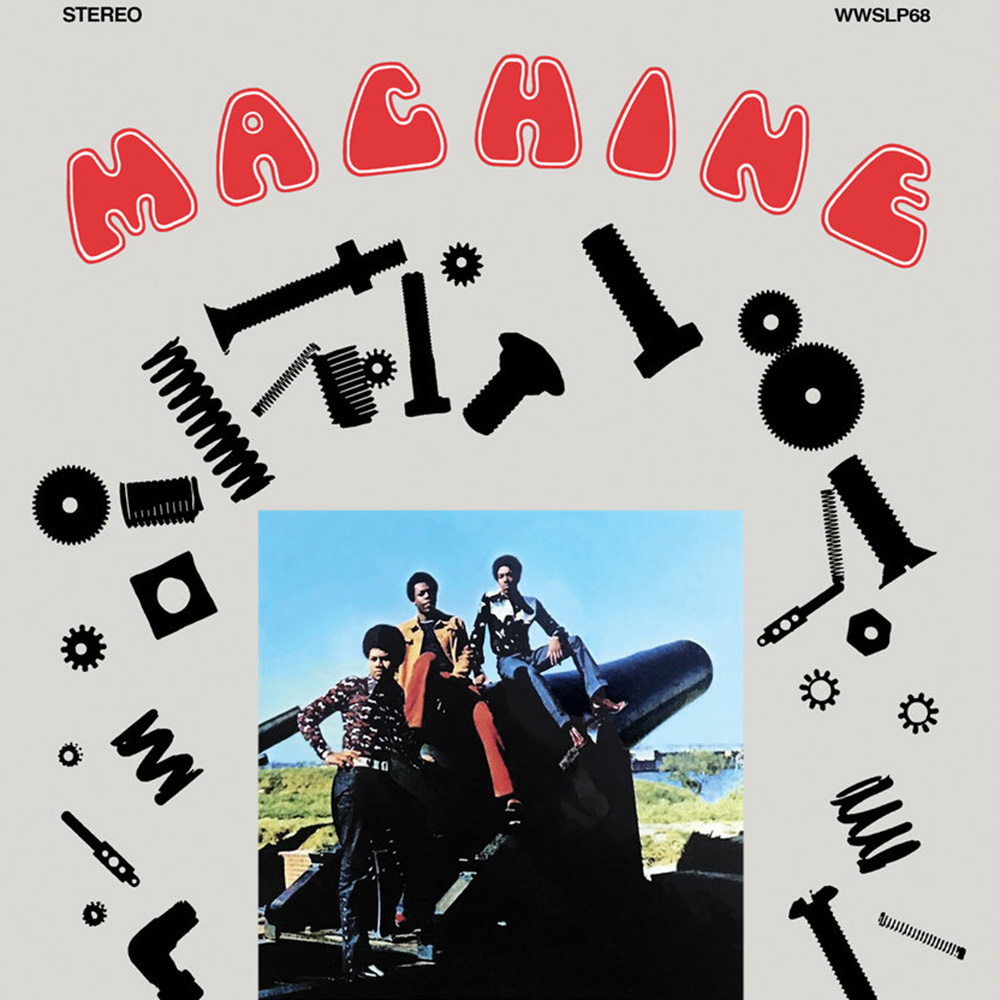
[et_pb_section fb_built= »1″ _builder_version= »4.16″ background_color= »#27657f » min_height= »407.7px » custom_padding= »68px||0px||| » global_colors_info= »{} »][et_pb_row make_equal= »on » custom_padding_last_edited= »on|phone » _builder_version= »4.16″ width= »60% » width_tablet= »90% » width_phone= »90% » width_last_edited= »on|phone » custom_margin= »||||false|false » custom_margin_tablet= » » custom_margin_phone= »0px||||false|false » custom_margin_last_edited= »on|phone » custom_padding_tablet= » » custom_padding_phone= »0px||||false|false » animation_style= »fade » global_colors_info= »{} »][et_pb_column type= »4_4″ _builder_version= »4.16″ global_colors_info= »{} »][et_pb_text content_last_edited= »off|desktop » _builder_version= »4.17.4″ text_text_color= »#ffffff » text_font_size= »50px » text_line_height= »1em » custom_padding= »30px||30px||true|false » global_colors_info= »{} »] MACHINE, S/T [/et_pb_text][et_pb_text _builder_version= »4.17.4″ text_font= »Roboto|100||||||| » text_text_color= »#ffffff » text_font_size= »28px » text_line_height= »1.2em » custom_margin= »9px||||| » custom_padding= »||2px||| » global_colors_info= »{} »] réédition le 2 septembre 2022 par WeWantSounds [/et_pb_text][et_pb_divider color= »#ff7ad2″ divider_style= »dotted » divider_position= »center » _builder_version= »4.16″ custom_margin= »0px||13px||false|false » custom_padding= »0px||0px||true|true » global_colors_info= »{} »][/et_pb_divider][et_pb_post_title title= »off » date_format= »j M Y » comments= »off » featured_image= »off » _builder_version= »4.16″ _module_preset= »default » meta_font= »Roboto|100||||||| » meta_text_color= »#FFFFFF » global_colors_info= »{} »][/et_pb_post_title][/et_pb_column][/et_pb_row][/et_pb_section][et_pb_section fb_built= »1″ custom_padding_last_edited= »on|phone » _builder_version= »4.16″ background_color= »#FFFFFF » custom_margin= »||||false|false » custom_margin_tablet= » » custom_margin_phone= »||0px||false|false » custom_margin_last_edited= »on|phone » custom_padding= »||||false|false » custom_padding_tablet= » » custom_padding_phone= »||0px||false|false » global_colors_info= »{} »][et_pb_row column_structure= »3_5,2_5″ _builder_version= »4.16″ width= »60% » width_tablet= »90% » width_phone= »90% » width_last_edited= »on|phone » custom_padding= »||2px||| » global_colors_info= »{} »][et_pb_column type= »3_5″ _builder_version= »4.16″ global_colors_info= »{} »][et_pb_image src= »https://pointbreak.fr/wp-content/uploads/2022/07/0028979019_10.jpg » alt= »Machine » title_text= »Machine » _builder_version= »4.17.4″ _module_preset= »default » custom_margin= »||||false|false » animation_style= »fade » animation_direction= »left » animation_duration= »1450ms » border_color_all= »rgba(0,0,0,0.08) » box_shadow_style= »preset3″ box_shadow_vertical= »9px » global_colors_info= »{} »][/et_pb_image][et_pb_audio audio= »https://pointbreak.fr/wp-content/uploads/2022/07/2A-Machine_Only-People-Can-Save-the-World.mp3″ title= »Only People Can Save The World » artist_name= »Machine » album_name= »(1972) » _builder_version= »4.17.4″ _module_preset= »default » background_color= »rgba(50,7,76,0.35) » global_colors_info= »{} »][/et_pb_audio][et_pb_text content_tablet= » ENGLISH / FRANÇAIS Machines are usually square. Engine, pistons, belts. Everything fits together nicely and works like a French clock gone in Switzerland. This Machine, however, remains shrouded in mystery. It works perfectly, with the Comté and the Swiss too. But with a little extra soul. The one heard from the first bars of Only People Can Save The World. Choirs of skinny cats a bit disillusioned, worried melody played with oboe, and bass of a distressed laconism. Machine is a funk album. At least, that’s what 1972 proclaimed at its release. Disappeared, and never reissued before, the funk of this ultra rare record is ultra rare, too. Percussive as a grenade in Kiev, violent and full of disillusions but also of jolts to pleasures, this music delivered by 3 young session sharks is conscious funk. Of itself and of the world in distress at the time. Directed and put together by Michael Watson, Curtis McTeer and Donald McCoy, the album Machine comes out of the All Platinum studios located in New Jersey where the label was based and then disappears immediately despite the presence of a pair of cult musicians like Sammy Lowe, magical arranger for Sam Cooke or Nina Simone’s happiness throats. Disappearance of a Machine, resurrected here with its original gears. Not a fart of play, not a wheel tooth missing. And mystery in spades. To listen again urgently and forever. » content_phone= » ENGLISH / FRANÇAIS Machines are usually square. Engine, pistons, belts. Everything fits together nicely and works like a French clock gone in Switzerland. This Machine, however, remains shrouded in mystery. It works perfectly, with the Comté and the Swiss too. But with a little extra soul. The one heard from the first bars of Only People Can Save The World. Choirs of skinny cats a bit disillusioned, worried melody played with oboe, and bass of a distressed laconism. Machine is a funk album. At least, that’s what 1972 proclaimed at its release. Disappeared, and never reissued before, the funk of this ultra rare record is ultra rare, too. Percussive as a grenade in Kiev, violent and full of disillusions but also of jolts to pleasures, this music delivered by 3 young session sharks is conscious funk. Of itself and of the world in distress at the time. Directed and put together by Michael Watson, Curtis McTeer and Donald McCoy, the album Machine comes out of the All Platinum studios located in New Jersey where the label was based and then disappears immediately despite the presence of a pair of cult musicians like Sammy Lowe, magical arranger for Sam Cooke or Nina Simone’s happiness throats. Disappearance of a Machine, resurrected here with its original gears. Not a fart of play, not a wheel tooth missing. And mystery in spades. To listen again urgently and forever. » content_last_edited= »on|phone » _builder_version= »4.17.4″ _module_preset= »default » text_text_color= »#000000″ text_font_size= »16px » custom_margin= »5%||||false|false » hover_enabled= »0″ global_colors_info= »{} » sticky_enabled= »0″] ENGLISH Machines are usually square. Engine, pistons, belts. Everything fits together nicely and works like a French clock gone in Switzerland. This Machine, however, remains shrouded in mystery. It works perfectly, with the Comté and the Swiss too. But with a little extra soul. The one heard from the first bars of Only People Can Save The World. Choirs of skinny cats a bit disillusioned, worried melody played with oboe, and bass of a distressed laconism. Machine is a funk album. At least, that’s what 1972 proclaimed at its release. Disappeared, and never reissued before, the funk of this ultra rare record is ultra rare, too. Percussive as a grenade in Kiev, violent and full of disillusions but also of jolts to pleasures, this music delivered by 3 young session sharks is conscious funk. Of itself and of the world in distress at the time. Directed and put together by Michael Watson, Curtis McTeer and Donald McCoy, the album Machine comes out of the All Platinum studios located in New Jersey where the label was based and then disappears immediately despite the presence of a pair of cult musicians like Sammy Lowe, magical arranger for Sam Cooke or Nina Simone’s happiness throats. Disappearance of a Machine, resurrected here with its original gears. Not a fart of play, not a wheel tooth missing. And mystery in spades. To listen again urgently and forever. [/et_pb_text][/et_pb_column][et_pb_column type= »2_5″ _builder_version= »4.16″ global_colors_info= »{} »][et_pb_text _builder_version= »4.17.4″ _module_preset= »default » text_text_color= »#000000″ link_font= »Roboto|||||||| » link_text_color= »#ff6600″ hover_enabled= »0″ global_colors_info= »{} » sticky_enabled= »0″] C’est carré d’habitude une machine. Moteur, pistons, courroies. Tout s’agence au cordeau et fonctionne comme une horloge comtoise exilée en Suisse. Ce Machine-là, pourtant reste nimbé de mystère. Ça fonctionne nickel, avec la Comté et le suisse lui-aussi. Mais avec un petit supplément d’âme. Celui entendu dès les premières mesures de Only People Can Save The World. Choeurs de chats maigres un poil désabusés, mélodie inquiète jouée au hautbois, et basse d’un laconisme affligé. Machine est un album de funk. Enfin, c’est que 1972 proclamait à sa sortie. Disparu, et jamais réédité auparavant, la funk de ce disque ultra rare est ultra rare, elle aussi. Percutante comme une grenade à Kiev, violente et pleine de désillusions mais aussi de secousses à plaisirs, cette musique livrée par 3 jeunes requins de session est de la funk consciente. D’elle-même et du monde en galère d’alors. Dirigée et ficelée par Michael Watson, Curtis McTeer et Donald McCoy, l’album Machine
Olá de Novo, chronique