Sympathetic Magic, chronique
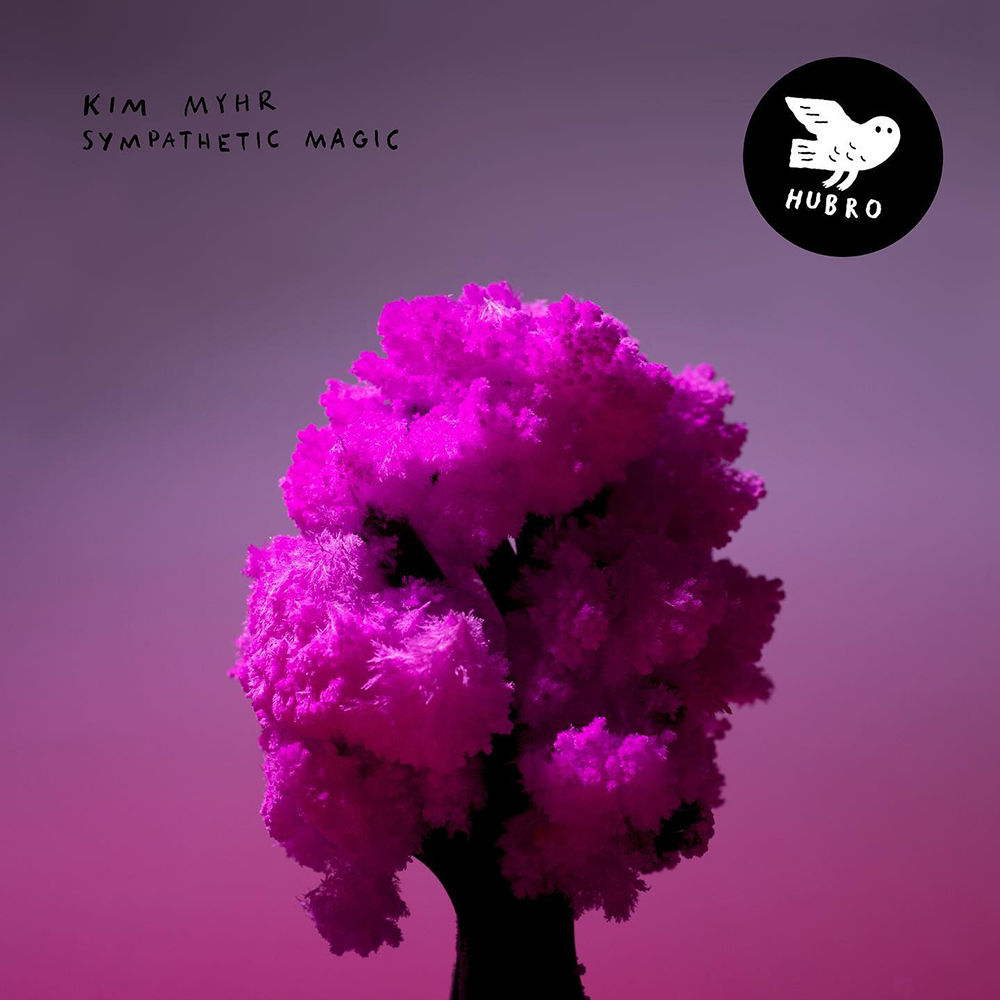
[et_pb_section fb_built= »1″ _builder_version= »4.16″ background_color= »#27657f » min_height= »407.7px » custom_padding= »68px||0px||| » global_colors_info= »{} »][et_pb_row make_equal= »on » custom_padding_last_edited= »on|phone » _builder_version= »4.16″ width= »60% » width_tablet= »90% » width_phone= »90% » width_last_edited= »on|phone » custom_margin= »||||false|false » custom_margin_tablet= » » custom_margin_phone= »0px||||false|false » custom_margin_last_edited= »on|phone » custom_padding_tablet= » » custom_padding_phone= »0px||||false|false » animation_style= »fade » global_colors_info= »{} »][et_pb_column type= »4_4″ _builder_version= »4.16″ global_colors_info= »{} »][et_pb_text content_last_edited= »off|desktop » _builder_version= »4.18.0″ text_text_color= »#ffffff » text_font_size= »50px » text_line_height= »1em » custom_padding= »30px||30px||true|false » global_colors_info= »{} »] KIM MYHR, Sympathetic Magic [/et_pb_text][et_pb_text _builder_version= »4.18.0″ text_font= »Roboto|100||||||| » text_text_color= »#ffffff » text_font_size= »28px » text_line_height= »1.2em » custom_margin= »9px||||| » custom_padding= »||2px||| » global_colors_info= »{} »] sortie le 19 août 2022 chez Hubro [/et_pb_text][et_pb_divider color= »#ff7ad2″ divider_style= »dotted » divider_position= »center » _builder_version= »4.16″ custom_margin= »0px||13px||false|false » custom_padding= »0px||0px||true|true » global_colors_info= »{} »][/et_pb_divider][et_pb_post_title title= »off » date_format= »j M Y » comments= »off » featured_image= »off » _builder_version= »4.16″ _module_preset= »default » meta_font= »Roboto|100||||||| » meta_text_color= »#FFFFFF » global_colors_info= »{} »][/et_pb_post_title][/et_pb_column][/et_pb_row][/et_pb_section][et_pb_section fb_built= »1″ custom_padding_last_edited= »on|phone » _builder_version= »4.16″ background_color= »#FFFFFF » custom_margin= »||||false|false » custom_margin_tablet= » » custom_margin_phone= »||0px||false|false » custom_margin_last_edited= »on|phone » custom_padding= »||||false|false » custom_padding_tablet= » » custom_padding_phone= »||0px||false|false » global_colors_info= »{} »][et_pb_row column_structure= »3_5,2_5″ _builder_version= »4.16″ width= »60% » width_tablet= »90% » width_phone= »90% » width_last_edited= »on|phone » custom_padding= »||2px||| » global_colors_info= »{} »][et_pb_column type= »3_5″ _builder_version= »4.16″ global_colors_info= »{} »][et_pb_image src= »https://pointbreak.fr/wp-content/uploads/2022/08/273584093_371503368121719_5657791794250807812_n.jpg » alt= »Sympathetic Magic de Kim Myhr » title_text= »Sympathetic Magic de Kim Myhr » _builder_version= »4.18.0″ _module_preset= »default » custom_margin= »||||false|false » animation_style= »fade » animation_direction= »left » animation_duration= »1450ms » border_color_all= »rgba(0,0,0,0.08) » box_shadow_style= »preset3″ box_shadow_vertical= »9px » global_colors_info= »{} »][/et_pb_image][et_pb_code _builder_version= »4.19.3″ _module_preset= »default » hover_enabled= »0″ global_colors_info= »{} » sticky_enabled= »0″]Sympathetic Magic by Kim Myhr[/et_pb_code][et_pb_text content_tablet= » ENGLISH / FRANÇAIS Far, very high. With tracks like Move The Rolling Sky, Iridescent or Up To The Sun Shall Go Your Heartache, Kim Myhr’s Sympathetic Magic is definitely aiming for the high ground. It rolls, it floats, it shines. Myhr takes his music by the care of the care and leaves in visitation. Majestic, this disc is. Indubitably. Careful, patient in these phases of production and very clever in the tangle of the sonorities taken one by one to the forces of the world. Easier in studio than in live to regulate its relationship to the psychedelic and cosmic heritage. No hint of demonstration here, no affected gesture, no obsolete speech. Kim Myhr is where he should be. In the volutes as purple as the album’s cover, as in the long soaring ascensions where the farfisa debates astronomy with the metronomic drums. Elsewhere, it is more than 200 takes which enamel and densify a penetrating music, penetrating as a trail of comet at the end of July will do. » content_phone= » ENGLISH / FRANÇAIS Far, very high. With tracks like Move The Rolling Sky, Iridescent or Up To The Sun Shall Go Your Heartache, Kim Myhr’s Sympathetic Magic is definitely aiming for the high ground. It rolls, it floats, it shines. Myhr takes his music by the care of the care and leaves in visitation. Majestic, this disc is. Indubitably. Careful, patient in these phases of production and very clever in the tangle of the sonorities taken one by one to the forces of the world. Easier in studio than in live to regulate its relationship to the psychedelic and cosmic heritage. No hint of demonstration here, no affected gesture, no obsolete speech. Kim Myhr is where he should be. In the volutes as purple as the album’s cover, as in the long soaring ascensions where the farfisa debates astronomy with the metronomic drums. Elsewhere, it is more than 200 takes which enamel and densify a penetrating music, penetrating as a trail of comet at the end of July will do. » content_last_edited= »on|phone » _builder_version= »4.18.0″ _module_preset= »default » text_text_color= »#000000″ text_font_size= »16px » custom_margin= »5%||||false|false » global_colors_info= »{} »] ENGLISH Far, very high. With tracks like Move The Rolling Sky, Iridescent or Up To The Sun Shall Go Your Heartache, Kim Myhr’s Sympathetic Magic is definitely aiming for the high ground. It rolls, it floats, it shines. Myhr takes his music by the care of the care and leaves in visitation. Majestic, this disc is. Indubitably. Careful, patient in these phases of production and very clever in the tangle of the sonorities taken one by one to the forces of the world. Easier in studio than in live to regulate its relationship to the psychedelic and cosmic heritage. No hint of demonstration here, no affected gesture, no obsolete speech. Kim Myhr is where he should be. In the volutes as purple as the album’s cover, as in the long soaring ascensions where the farfisa debates astronomy with the metronomic drums. Elsewhere, it is more than 200 takes which enamel and densify a penetrating music, penetrating as a trail of comet at the end of July will do. [/et_pb_text][/et_pb_column][et_pb_column type= »2_5″ _builder_version= »4.16″ global_colors_info= »{} »][et_pb_text _builder_version= »4.18.0″ _module_preset= »default » text_text_color= »#000000″ link_font= »Roboto|||||||| » link_text_color= »#ff6600″ global_colors_info= »{} »] Loin, très haut. Avec des titres comme Move The Rolling Sky, Iridescent ou Up To The Sun Shall Go Your Heartache, Sympathetic Magic de Kim Myhr vise sans aucun doute les hautes sphères. Ça roule, ça flotte, ça brille. Myhr prend sa musique par le soin des soins et part en visitation. Majestueux, ce disque l’est. Indubitablement. Soigné, patient dans ces phases de production et très malin dans l’enchevêtrement des sonorités prises une à une aux forces du monde. Plus simple en studio qu’en live de régler son rapport à l’héritage psyché et cosmique. Aucun soupçon de démonstration ici, aucun geste affecté, aucun discours obsolète. Kim Myhr est là où il doit être. Dans les volutes aussi violettes que la cover du disque, comme dans les longues ascensions planantes où le farfisa débat d’astronomie avec la batterie métronome. Ailleurs, c’est plus de 200 prises qui émaillent et densifient une musique pénétrante, comme une trainée de comète un soir de fin juillet. [/et_pb_text][et_pb_text _builder_version= »4.18.0″ link_text_color= »#FF6600″ custom_margin= »5%||||false|false » custom_padding= »||||false|false » global_colors_info= »{} »] —Kim Myhr : Site WebHubro : Bandcamp [/et_pb_text][/et_pb_column][/et_pb_row][/et_pb_section]
The Punk And The Gaffers, chronique
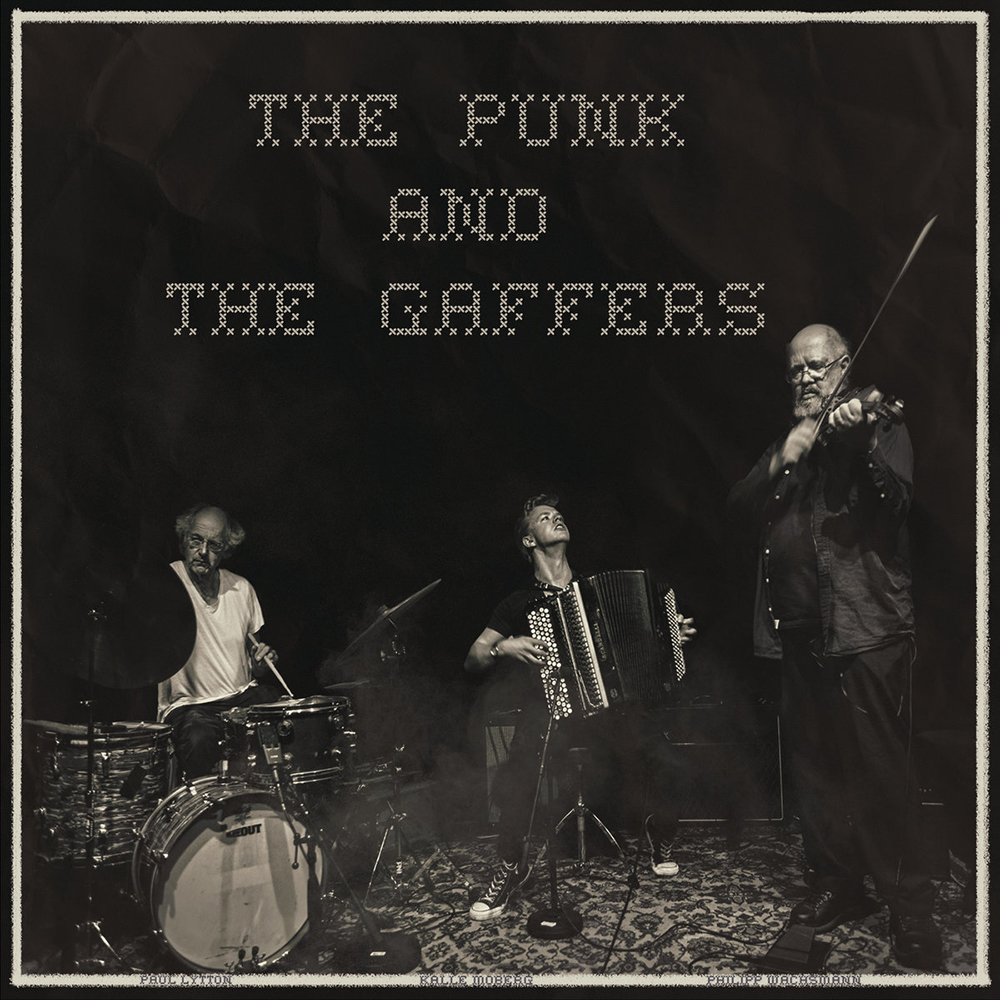
[et_pb_section fb_built= »1″ _builder_version= »4.16″ background_color= »#27657f » min_height= »407.7px » custom_padding= »68px||0px||| » global_colors_info= »{} »][et_pb_row make_equal= »on » custom_padding_last_edited= »on|phone » _builder_version= »4.16″ width= »60% » width_tablet= »90% » width_phone= »90% » width_last_edited= »on|phone » custom_margin= »||||false|false » custom_margin_tablet= » » custom_margin_phone= »0px||||false|false » custom_margin_last_edited= »on|phone » custom_padding_tablet= » » custom_padding_phone= »0px||||false|false » animation_style= »fade » global_colors_info= »{} »][et_pb_column type= »4_4″ _builder_version= »4.16″ global_colors_info= »{} »][et_pb_text content_last_edited= »off|desktop » _builder_version= »4.18.0″ text_text_color= »#ffffff » text_font_size= »50px » text_line_height= »1em » custom_padding= »30px||30px||true|false » global_colors_info= »{} »] WACHSMANN / MOBERG / LYTTON,The Punk And The Gaffers [/et_pb_text][et_pb_text _builder_version= »4.18.0″ text_font= »Roboto|100||||||| » text_text_color= »#ffffff » text_font_size= »28px » text_line_height= »1.2em » custom_margin= »9px||||| » custom_padding= »||2px||| » global_colors_info= »{} »] sortie le 14 mai 2021 chez Kamo Records [/et_pb_text][et_pb_divider color= »#ff7ad2″ divider_style= »dotted » divider_position= »center » _builder_version= »4.16″ custom_margin= »0px||13px||false|false » custom_padding= »0px||0px||true|true » global_colors_info= »{} »][/et_pb_divider][et_pb_post_title title= »off » date_format= »j M Y » comments= »off » featured_image= »off » _builder_version= »4.16″ _module_preset= »default » meta_font= »Roboto|100||||||| » meta_text_color= »#FFFFFF » global_colors_info= »{} »][/et_pb_post_title][/et_pb_column][/et_pb_row][/et_pb_section][et_pb_section fb_built= »1″ custom_padding_last_edited= »on|phone » _builder_version= »4.16″ background_color= »#FFFFFF » custom_margin= »||||false|false » custom_margin_tablet= » » custom_margin_phone= »||0px||false|false » custom_margin_last_edited= »on|phone » custom_padding= »||||false|false » custom_padding_tablet= » » custom_padding_phone= »||0px||false|false » global_colors_info= »{} »][et_pb_row column_structure= »3_5,2_5″ _builder_version= »4.16″ width= »60% » width_tablet= »90% » width_phone= »90% » width_last_edited= »on|phone » custom_padding= »||2px||| » global_colors_info= »{} »][et_pb_column type= »3_5″ _builder_version= »4.16″ global_colors_info= »{} »][et_pb_image src= »https://pointbreak.fr/wp-content/uploads/2022/08/punk.jpg » alt= »The Punk And The Gaffers » title_text= »The Punk And The Gaffers » _builder_version= »4.18.0″ _module_preset= »default » custom_margin= »||||false|false » animation_style= »fade » animation_direction= »left » animation_duration= »1450ms » border_color_all= »rgba(0,0,0,0.08) » box_shadow_style= »preset3″ box_shadow_vertical= »9px » global_colors_info= »{} »][/et_pb_image][et_pb_code _builder_version= »4.18.0″ _module_preset= »default » global_colors_info= »{} »]The Punk And The Gaffers by Wachsmann / Moberg / Lytton[/et_pb_code][et_pb_text content_tablet= » ENGLISH / FRANÇAIS 27’10. This is the time it took Paul Lytton, Kalle Moberg and Philipp Wachsmann to blast the codes of the sacrosanct Power Trio. The power, here, is, as we have seen live at the Météo festival, to be credited to the mastery of the gesture. The one that makes, produces and lets the music live. Strikes, slides and other trills of joy. From Moberg’s accordion, Wachsmann’s violin or Lytton’s drumkit, no instrument escapes this disconcerting simplicity that transforms the power into a miniature prodigy played at every moment of this unique improvised track of this record. Recorded live at Café Mir in Oslo for the Blow Out Festival, The Punk And The Gaffers, as this only track is called, reveals itself in its detours and masterful dynamics. The listening between the three musicians is perfect, a bed on which comes to rest a longtime creativity. Very simple, once again, but magnificent in what it produces of flashes, emotions and energy never contained. » content_phone= » ENGLISH / FRANÇAIS 27’10. This is the time it took Paul Lytton, Kalle Moberg and Philipp Wachsmann to blast the codes of the sacrosanct Power Trio. The power, here, is, as we have seen live at the Météo festival, to be credited to the mastery of the gesture. The one that makes, produces and lets the music live. Strikes, slides and other trills of joy. From Moberg’s accordion, Wachsmann’s violin or Lytton’s drumkit, no instrument escapes this disconcerting simplicity that transforms the power into a miniature prodigy played at every moment of this unique improvised track of this record. Recorded live at Café Mir in Oslo for the Blow Out Festival, The Punk And The Gaffers, as this only track is called, reveals itself in its detours and masterful dynamics. The listening between the three musicians is perfect, a bed on which comes to rest a longtime creativity. Very simple, once again, but magnificent in what it produces of flashes, emotions and energy never contained. » content_last_edited= »on|phone » _builder_version= »4.18.0″ _module_preset= »default » text_text_color= »#000000″ text_font_size= »16px » custom_margin= »5%||||false|false » hover_enabled= »0″ global_colors_info= »{} » sticky_enabled= »0″] ENGLISH 27’10. This is the time it took Paul Lytton, Kalle Moberg and Philipp Wachsmann to blast the codes of the sacrosanct Power Trio. The power, here, is, as we have seen live at the Météo festival, to be credited to the mastery of the gesture. The one that makes, produces and lets the music live. Strikes, slides and other trills of joy. From Moberg’s accordion, Wachsmann’s violin or Lytton’s drumkit, no instrument escapes this disconcerting simplicity that transforms the power into a miniature prodigy played at every moment of this unique improvised track of this record. Recorded live at Café Mir in Oslo for the Blow Out Festival, The Punk And The Gaffers, as this only track is called, reveals itself in its detours and masterful dynamics. The listening between the three musicians is perfect, a bed on which comes to rest a longtime creativity. Very simple, once again, but magnificent in what it produces of flashes, emotions and energy never contained. [/et_pb_text][/et_pb_column][et_pb_column type= »2_5″ _builder_version= »4.16″ global_colors_info= »{} »][et_pb_text _builder_version= »4.18.0″ _module_preset= »default » text_text_color= »#000000″ link_font= »Roboto|||||||| » link_text_color= »#ff6600″ hover_enabled= »0″ global_colors_info= »{} » sticky_enabled= »0″] 27’10. C’est le temps qu’il aura fallu à Paul Lytton, Kalle Moberg et Philipp Wachsmann pour retourner l’ongle du sacro-saint Power Trio. Le pouvoir, ici, est, on l’aura vu en live au festival Météo, à mettre au crédit de la maitrise du geste. Celui qui fabrique, produit et laisse vivre la musique. Frappe, glissade et autre trille de joie. De l’accordéon de Moberg, du violon de Wachsmann ou du drumkit de Lytton, aucun instru n’échappe à cette simplicité déconcertante qui transforme le power en prodige miniature joué à chaque instant de cette plage improvisée unique de ce disque. Enregistré live au Café Mir d’Oslo pour le Blow Out Festival, The Punk And The Gaffers, c’est le nom de cette plage, se livre dans ses détours et ses dynamiques magistrales. L’écoute entre les trois musiciens est parfaite, lit sur lequel vient se poser une créativité sans âge. Simple, une fois encore, mais magnifique dans ce qu’elle produit d’éclairs, d’émotions et d’énergie jamais contenue. [/et_pb_text][et_pb_text _builder_version= »4.18.0″ link_text_color= »#FF6600″ custom_margin= »5%||||false|false » custom_padding= »||||false|false » global_colors_info= »{} »] —The Punk And The Gaffers: Chronique de concertKamo Records : Bandcamp [/et_pb_text][/et_pb_column][/et_pb_row][/et_pb_section]
The Kort’dakian Crisis, chronique
[et_pb_section fb_built= »1″ _builder_version= »4.16″ background_color= »#27657f » min_height= »407.7px » custom_padding= »68px||0px||| » global_colors_info= »{} »][et_pb_row make_equal= »on » custom_padding_last_edited= »on|phone » _builder_version= »4.16″ width= »60% » width_tablet= »90% » width_phone= »90% » width_last_edited= »on|phone » custom_margin= »||||false|false » custom_margin_tablet= » » custom_margin_phone= »0px||||false|false » custom_margin_last_edited= »on|phone » custom_padding_tablet= » » custom_padding_phone= »0px||||false|false » animation_style= »fade » global_colors_info= »{} »][et_pb_column type= »4_4″ _builder_version= »4.16″ global_colors_info= »{} »][et_pb_text content_last_edited= »off|desktop » _builder_version= »4.18.0″ text_text_color= »#ffffff » text_font_size= »50px » text_line_height= »1em » custom_padding= »30px||30px||true|false » hover_enabled= »0″ global_colors_info= »{} » sticky_enabled= »0″] EMILIE ŠKRIJELJ, TOM MALMENDIERet MIKE LADD, The Kort’dakian Crisis [/et_pb_text][et_pb_text _builder_version= »4.18.0″ text_font= »Roboto|100||||||| » text_text_color= »#ffffff » text_font_size= »28px » text_line_height= »1.2em » custom_margin= »9px||||| » custom_padding= »||2px||| » global_colors_info= »{} »] sortie le 2 septembre 2022 chez eux sæm [/et_pb_text][et_pb_divider color= »#ff7ad2″ divider_style= »dotted » divider_position= »center » _builder_version= »4.16″ custom_margin= »0px||13px||false|false » custom_padding= »0px||0px||true|true » global_colors_info= »{} »][/et_pb_divider][et_pb_post_title title= »off » date_format= »j M Y » comments= »off » featured_image= »off » _builder_version= »4.16″ _module_preset= »default » meta_font= »Roboto|100||||||| » meta_text_color= »#FFFFFF » global_colors_info= »{} »][/et_pb_post_title][/et_pb_column][/et_pb_row][/et_pb_section][et_pb_section fb_built= »1″ custom_padding_last_edited= »on|phone » _builder_version= »4.16″ background_color= »#FFFFFF » custom_margin= »||||false|false » custom_margin_tablet= » » custom_margin_phone= »||0px||false|false » custom_margin_last_edited= »on|phone » custom_padding= »||||false|false » custom_padding_tablet= » » custom_padding_phone= »||0px||false|false » global_colors_info= »{} »][et_pb_row column_structure= »3_5,2_5″ _builder_version= »4.16″ width= »60% » width_tablet= »90% » width_phone= »90% » width_last_edited= »on|phone » custom_padding= »||2px||| » global_colors_info= »{} »][et_pb_column type= »3_5″ _builder_version= »4.16″ global_colors_info= »{} »][et_pb_image src= »https://pointbreak.fr/wp-content/uploads/2022/08/a1717904772_16.jpg » alt= »The Kort’dakian Crisis de Mike Ladd – Emilie Škrijelj – Tom Malmendier » title_text= »The Kort’dakian Crisis de Mike Ladd – Emilie Škrijelj – Tom Malmendier » _builder_version= »4.18.0″ _module_preset= »default » custom_margin= »||||false|false » animation_style= »fade » animation_direction= »left » animation_duration= »1450ms » border_color_all= »rgba(0,0,0,0.08) » box_shadow_style= »preset3″ box_shadow_vertical= »9px » global_colors_info= »{} »][/et_pb_image][et_pb_code _builder_version= »4.18.0″ _module_preset= »default » global_colors_info= »{} »]The Kort'dakian Crisis by Mike Ladd – Emilie Škrijelj – Tom Malmendier[/et_pb_code][et_pb_text content_tablet= » ENGLISH / FRANÇAIS Alarm! The Kort’dakian nation is in crisis. Is it a fiction? Yes. It is also the title of the record left since the festival Weather and August 2021 on the label Eux Saem. Sows, loves. Understand what you want of these phonemes. The truth is elsewhere. In the plastic organicity of this trio. We know the duo Emilie Škrijelj & Tom Malmendier, otherwise known as Les Marquises, we know Mike Ladd’s striking antics. Reunited, the 3 vocalists/instrumentalists deliver a tale of improvised anticipation, a modern and actual tale where a world disappears little by little in the wanderings and forgetfulness of what founded it. No link with ours? Possibly. Although. What is important with improvised music, as practiced, sought and found by Škrijelj & Malmendier, is that it lives with both feet in the most urgent reality. And Mike Ladd’s impatient ogre verve is not going to calm the game down. The Kort’dakian Crisis is not a solution, but a warning. Remember René Dumont and his glass of water in 1974. This very good record might not follow the same path of amused mockery and then oblivion. » content_phone= » ENGLISH / FRANÇAIS Alarm! The Kort’dakian nation is in crisis. Is it a fiction? Yes. It is also the title of the record left since the festival Weather and August 2021 on the label Eux Saem. Sows, loves. Understand what you want of these phonemes. The truth is elsewhere. In the plastic organicity of this trio. We know the duo Emilie Škrijelj & Tom Malmendier, otherwise known as Les Marquises, we know Mike Ladd’s striking antics. Reunited, the 3 vocalists/instrumentalists deliver a tale of improvised anticipation, a modern and actual tale where a world disappears little by little in the wanderings and forgetfulness of what founded it. No link with ours? Possibly. Although. What is important with improvised music, as practiced, sought and found by Škrijelj & Malmendier, is that it lives with both feet in the most urgent reality. And Mike Ladd’s impatient ogre verve is not going to calm the game down. The Kort’dakian Crisis is not a solution, but a warning. Remember René Dumont and his glass of water in 1974. This very good record might not follow the same path of amused mockery and then oblivion. » content_last_edited= »on|phone » _builder_version= »4.18.0″ _module_preset= »default » text_text_color= »#000000″ text_font_size= »16px » custom_margin= »5%||||false|false » hover_enabled= »0″ global_colors_info= »{} » sticky_enabled= »0″] ENGLISH Alarm! The Kort’dakian nation is in crisis. Is it a fiction? Yes. It is also the title of the record left since the festival Weather and August 2021 on the label Eux Saem. Sows, loves. Understand what you want of these phonemes. The truth is elsewhere. In the plastic organicity of this trio. We know the duo Emilie Škrijelj & Tom Malmendier, otherwise known as Les Marquises, we know Mike Ladd’s striking antics. Reunited, the 3 vocalists/instrumentalists deliver a tale of improvised anticipation, a modern and actual tale where a world disappears little by little in the wanderings and forgetfulness of what founded it. No link with ours? Possibly. Although. What is important with improvised music, as practiced, sought and found by Škrijelj & Malmendier, is that it lives with both feet in the most urgent reality. And Mike Ladd’s impatient ogre verve is not going to calm the game down. The Kort’dakian Crisis is not a solution, but a warning. Remember René Dumont and his glass of water in 1974. This very good record might not follow the same path of amused mockery and then oblivion. [/et_pb_text][/et_pb_column][et_pb_column type= »2_5″ _builder_version= »4.16″ global_colors_info= »{} »][et_pb_text _builder_version= »4.18.0″ _module_preset= »default » text_text_color= »#000000″ link_font= »Roboto|||||||| » link_text_color= »#ff6600″ hover_enabled= »0″ global_colors_info= »{} » sticky_enabled= »0″] Alarme ! La nation Kort’dakian est en crise. C’est une fiction ? Oui. C’est aussi le titre du disque laissée depuis le festival Météo et août 2021 sur le label Eux Saem. Sème, s’aime. Comprenez ce que vous voulez de ces phonèmes. La vérité est ailleurs. Dans l’organicité plastique de ce trio. On en connait le duo Emilie Škrijelj & Tom Malmendier, appelé autrement Les Marquises, on en connait les frasques frappées de Mike Ladd. Réunis, les 3 vocalistes/instrumentsites livrent un récit d’anticipation improvisée, un conte moderne et actuel où un monde disparait peu à peu dans ses errements et les oublis de ce qui le fonde. Aucun lien avec le nôtre ? Possible. Quoique. Ce qui est important avec la musique improvisée, telle que la pratiquent, la cherchent et la trouvent Škrijelj & Malmendier, c’est qu’elle vit les deux pieds dans la réalité la plus urgente. Et ce n’est pas la verve d’ogre impatient de Mike Ladd qui va calmer le jeu. The Kort’dakian Crisis s’anonce donc non comme un topo-solution que comme un mémo-avertissement. Remember René Dumont et son verre d’eau en 1974. Ce très bon disque pourrait ne suivre le même trajet de moqueries amusées puis d’oubli. [/et_pb_text][et_pb_text _builder_version= »4.18.0″ link_text_color= »#FF6600″ custom_margin= »5%||||false|false » custom_padding= »||||false|false » global_colors_info= »{} »] —Tropism : ChroniqueTom Malmendier : Site Web [/et_pb_text][/et_pb_column][/et_pb_row][/et_pb_section]
Musiques pour l’image, chronique
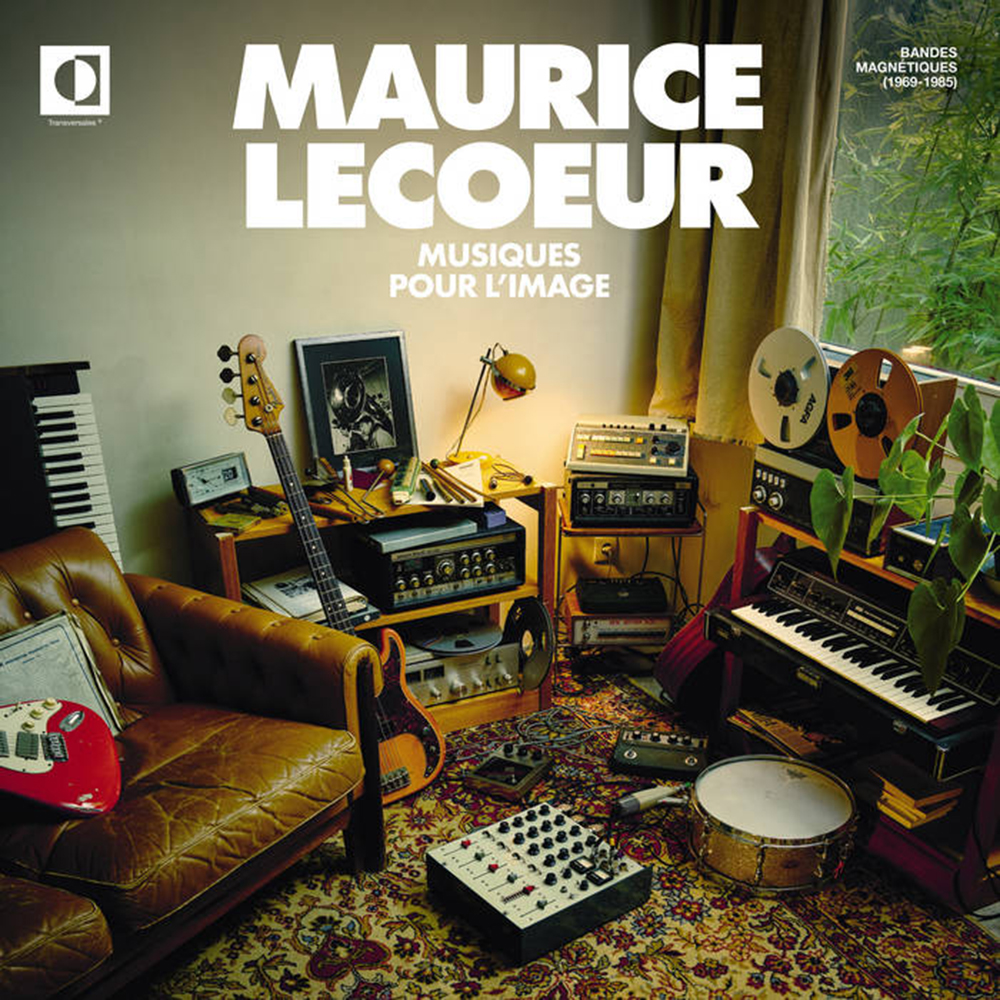
[et_pb_section fb_built= »1″ _builder_version= »4.16″ background_color= »#27657f » min_height= »407.7px » custom_padding= »68px||0px||| » global_colors_info= »{} »][et_pb_row make_equal= »on » custom_padding_last_edited= »on|phone » _builder_version= »4.16″ width= »60% » width_tablet= »90% » width_phone= »90% » width_last_edited= »on|phone » custom_margin= »||||false|false » custom_margin_tablet= » » custom_margin_phone= »0px||||false|false » custom_margin_last_edited= »on|phone » custom_padding_tablet= » » custom_padding_phone= »0px||||false|false » animation_style= »fade » global_colors_info= »{} »][et_pb_column type= »4_4″ _builder_version= »4.16″ global_colors_info= »{} »][et_pb_text content_last_edited= »off|desktop » _builder_version= »4.17.6″ text_text_color= »#ffffff » text_font_size= »50px » text_line_height= »1em » custom_padding= »30px||30px||true|false » global_colors_info= »{} »] MAURICE LECOEUR,Musiques pour l’image (1969-1985) [/et_pb_text][et_pb_text _builder_version= »4.17.5″ text_font= »Roboto|100||||||| » text_text_color= »#ffffff » text_font_size= »28px » text_line_height= »1.2em » custom_margin= »9px||||| » custom_padding= »||2px||| » global_colors_info= »{} »] sortie le 10 juin 2022 chez Transversales Disques [/et_pb_text][et_pb_divider color= »#ff7ad2″ divider_style= »dotted » divider_position= »center » _builder_version= »4.16″ custom_margin= »0px||13px||false|false » custom_padding= »0px||0px||true|true » global_colors_info= »{} »][/et_pb_divider][et_pb_post_title title= »off » date_format= »j M Y » comments= »off » featured_image= »off » _builder_version= »4.16″ _module_preset= »default » meta_font= »Roboto|100||||||| » meta_text_color= »#FFFFFF » global_colors_info= »{} »][/et_pb_post_title][/et_pb_column][/et_pb_row][/et_pb_section][et_pb_section fb_built= »1″ custom_padding_last_edited= »on|phone » _builder_version= »4.16″ background_color= »#FFFFFF » custom_margin= »||||false|false » custom_margin_tablet= » » custom_margin_phone= »||0px||false|false » custom_margin_last_edited= »on|phone » custom_padding= »||||false|false » custom_padding_tablet= » » custom_padding_phone= »||0px||false|false » global_colors_info= »{} »][et_pb_row column_structure= »3_5,2_5″ _builder_version= »4.16″ width= »60% » width_tablet= »90% » width_phone= »90% » width_last_edited= »on|phone » custom_padding= »||2px||| » global_colors_info= »{} »][et_pb_column type= »3_5″ _builder_version= »4.16″ global_colors_info= »{} »][et_pb_image src= »https://pointbreak.fr/wp-content/uploads/2022/07/a0692354025_16.jpg » alt= »Musiques pour l’image de Maurice Lecoeur » title_text= »Musiques pour l’image de Maurice Lecoeur » _builder_version= »4.17.5″ _module_preset= »default » custom_margin= »||||false|false » animation_style= »fade » animation_direction= »left » animation_duration= »1450ms » border_color_all= »rgba(0,0,0,0.08) » box_shadow_style= »preset3″ box_shadow_vertical= »9px » global_colors_info= »{} »][/et_pb_image][et_pb_code _builder_version= »4.17.6″ _module_preset= »default » global_colors_info= »{} »]Musiques pour l'image (1969-1985) by Maurice Lecoeur[/et_pb_code][et_pb_text content_tablet= » ENGLISH / FRANÇAIS Another secret revealed. After Sam Sanders, this week, here is a French nugget brought to light. Maurice Lecœur composed, people heard him but didn’t recognize him. So what? Nothing. For 20 years, his music for television, advertising and cinema have the collective memory of his time to the world musical future. Tied up in home-studio, undoubtedly overshadowed by that of François de Roubaix, the music of Maurice Lecœur does not however miss any. A multi-instrumentalist, a traditional jazz fanatic, a pop music enthusiast, and an electronics engineer, Lecœur is astonishing in his obsession with laying the foundations of his own universe. It’s a real paradox,%22 he confessed. At one point, I forbade myself to continue listening to François’ music. Because, unconsciously, that made me leave in an identical direction. I had to find another way, my own. This compilation-anthology combines pop fantasies with more interior tracks. Without revealing anything of the mystery of a man who left by his own means, without reason, with these tracks as the only traces left in the universe. Lightful but worried. » content_phone= » ENGLISH / FRANÇAIS Another secret revealed. After Sam Sanders, this week, here is a French nugget brought to light. Maurice Lecœur composed, people heard him but didn’t recognize him. So what? Nothing. For 20 years, his music for television, advertising and cinema have the collective memory of his time to the world musical future. Tied up in home-studio, undoubtedly overshadowed by that of François de Roubaix, the music of Maurice Lecœur does not however miss any. A multi-instrumentalist, a traditional jazz fanatic, a pop music enthusiast, and an electronics engineer, Lecœur is astonishing in his obsession with laying the foundations of his own universe. It’s a real paradox,%22 he confessed. At one point, I forbade myself to continue listening to François’ music. Because, unconsciously, that made me leave in an identical direction. I had to find another way, my own. This compilation-anthology combines pop fantasies with more interior tracks. Without revealing anything of the mystery of a man who left by his own means, without reason, with these tracks as the only traces left in the universe. Lightful but worried. » content_last_edited= »on|phone » _builder_version= »4.17.6″ _module_preset= »default » text_text_color= »#000000″ text_font_size= »16px » custom_margin= »5%||||false|false » global_colors_info= »{} »] ENGLISH Another secret revealed. After Sam Sanders, this week, here is a French nugget brought to light. Maurice Lecœur composed, people heard him but didn’t recognize him. So what? Nothing. For 20 years, his music for television, advertising and cinema have the collective memory of his time to the world musical future. Tied up in home-studio, undoubtedly overshadowed by that of François de Roubaix, the music of Maurice Lecœur does not however miss any. A multi-instrumentalist, a traditional jazz fanatic, a pop music enthusiast, and an electronics engineer, Lecœur is astonishing in his obsession with laying the foundations of his own universe. It’s a real paradox, » he confessed. At one point, I forbade myself to continue listening to François’ music. Because, unconsciously, that made me leave in an identical direction. I had to find another way, my own. This compilation-anthology combines pop fantasies with more interior tracks. Without revealing anything of the mystery of a man who left by his own means, without reason, with these tracks as the only traces left in the universe. Lightful but worried. [/et_pb_text][/et_pb_column][et_pb_column type= »2_5″ _builder_version= »4.16″ global_colors_info= »{} »][et_pb_text _builder_version= »4.17.6″ _module_preset= »default » text_text_color= »#000000″ link_font= »Roboto|||||||| » link_text_color= »#ff6600″ global_colors_info= »{} »] Encore un secret révélé. Après Sam Sanders, cette semaine aussi, voici une pépite française mise au jour. Maurice Lecœur a composé, les gens l’ont entendu mais pas reconnu. Et alors ? Rien. Pendant 20 ans, ses musiques pour la télévision, la publicité et le cinéma ont la mémoire collective de son époque à l’avenir musical mondial. Ficelée en home-studio, sans doute éclipsée par celle de François de Roubaix, la musique de Maurice Lecœur n’en manque pourtant pas. Multi-instrumentisme fondu, dingue de jazz trad et féru de pop music, ingénieur en électronique, Lecœur sidère dans son obsession de poser les jalons de son propre univers. « C’est un vrai paradoxe, confessait-il. A un moment donné, je me suis interdit de continuer à écouter les musiques de François. Parce que, inconsciemment, ça me faisait partir dans une direction identique. Il me fallait trouver une autre voie, la mienne. ». Cette compile-anthologie agrège les fantaisies pop à des tracks plus intérieurs. Sans rien dévoiler du mystère d’un homme parti par ses propres moyens, sans raison, avec ces morceaux pour seules traces laissées dans l’univers. Rutilantes et inquiètes. [/et_pb_text][et_pb_text _builder_version= »4.17.5″ link_text_color= »#FF6600″ custom_margin= »5%||||false|false » custom_padding= »||||false|false » global_colors_info= »{} »] —Maurice Lecoeur: BioTransversales Disques: Bandcamp [/et_pb_text][/et_pb_column][/et_pb_row][/et_pb_section]
Mirror Mirror, chronique
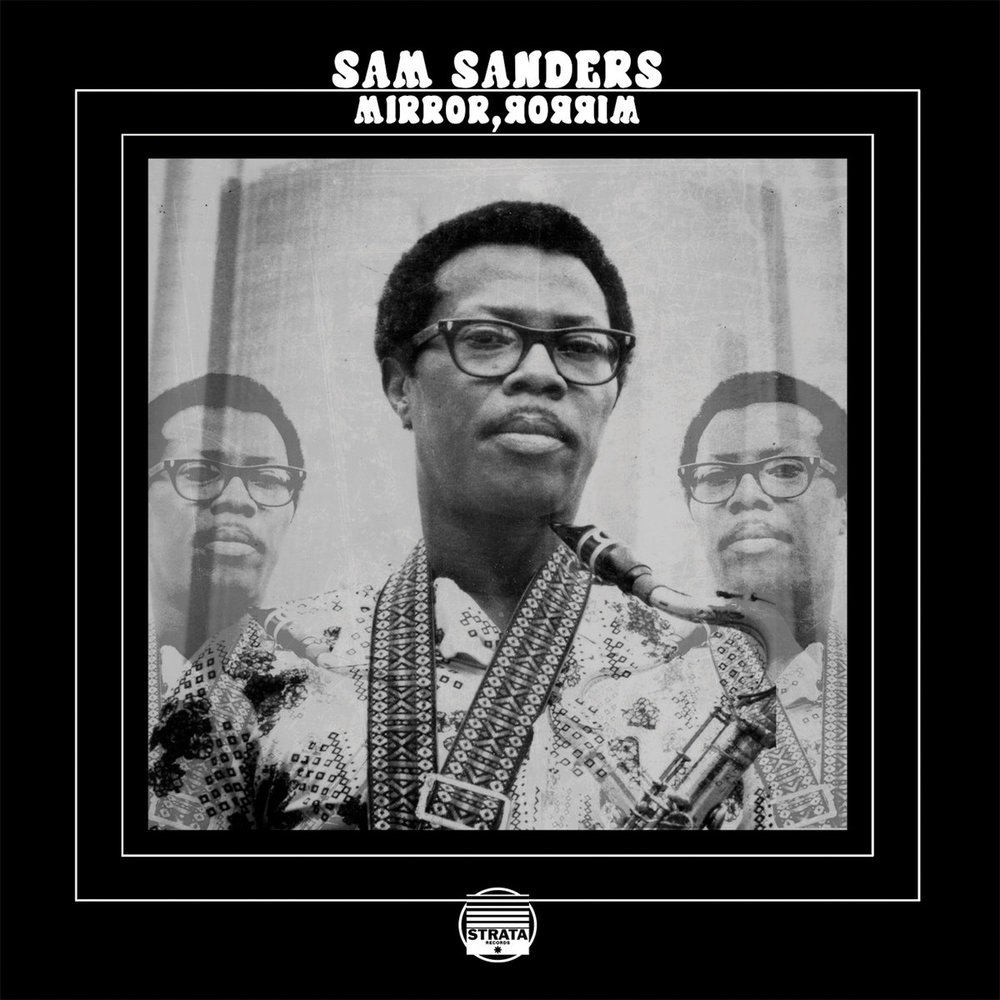
[et_pb_section fb_built= »1″ _builder_version= »4.16″ background_color= »#27657f » min_height= »407.7px » custom_padding= »68px||0px||| » global_colors_info= »{} »][et_pb_row make_equal= »on » custom_padding_last_edited= »on|phone » _builder_version= »4.16″ width= »60% » width_tablet= »90% » width_phone= »90% » width_last_edited= »on|phone » custom_margin= »||||false|false » custom_margin_tablet= » » custom_margin_phone= »0px||||false|false » custom_margin_last_edited= »on|phone » custom_padding_tablet= » » custom_padding_phone= »0px||||false|false » animation_style= »fade » global_colors_info= »{} »][et_pb_column type= »4_4″ _builder_version= »4.16″ global_colors_info= »{} »][et_pb_text content_last_edited= »off|desktop » _builder_version= »4.17.5″ text_text_color= »#ffffff » text_font_size= »50px » text_line_height= »1em » custom_padding= »30px||30px||true|false » global_colors_info= »{} »] SAM SANDERS, Mirror, Mirror [/et_pb_text][et_pb_text _builder_version= »4.17.5″ text_font= »Roboto|100||||||| » text_text_color= »#ffffff » text_font_size= »28px » text_line_height= »1.2em » custom_margin= »9px||||| » custom_padding= »||2px||| » global_colors_info= »{} »] sorti le 29 juillet 2022 chez BBE Music [/et_pb_text][et_pb_divider color= »#ff7ad2″ divider_style= »dotted » divider_position= »center » _builder_version= »4.16″ custom_margin= »0px||13px||false|false » custom_padding= »0px||0px||true|true » global_colors_info= »{} »][/et_pb_divider][et_pb_post_title title= »off » date_format= »j M Y » comments= »off » featured_image= »off » _builder_version= »4.16″ _module_preset= »default » meta_font= »Roboto|100||||||| » meta_text_color= »#FFFFFF » global_colors_info= »{} »][/et_pb_post_title][/et_pb_column][/et_pb_row][/et_pb_section][et_pb_section fb_built= »1″ custom_padding_last_edited= »on|phone » _builder_version= »4.16″ background_color= »#FFFFFF » custom_margin= »||||false|false » custom_margin_tablet= » » custom_margin_phone= »||0px||false|false » custom_margin_last_edited= »on|phone » custom_padding= »||||false|false » custom_padding_tablet= » » custom_padding_phone= »||0px||false|false » global_colors_info= »{} »][et_pb_row column_structure= »3_5,2_5″ _builder_version= »4.16″ width= »60% » width_tablet= »90% » width_phone= »90% » width_last_edited= »on|phone » custom_padding= »||2px||| » global_colors_info= »{} »][et_pb_column type= »3_5″ _builder_version= »4.16″ global_colors_info= »{} »][et_pb_image src= »https://pointbreak.fr/wp-content/uploads/2022/07/a1702798937_10.jpg » alt= »Mirror Mirror de Sam Sanders » title_text= »Mirror Mirror de Sam Sanders » _builder_version= »4.17.5″ _module_preset= »default » custom_margin= »||||false|false » animation_style= »fade » animation_direction= »left » animation_duration= »1450ms » border_color_all= »rgba(0,0,0,0.08) » box_shadow_style= »preset3″ box_shadow_vertical= »9px » global_colors_info= »{} »][/et_pb_image][et_pb_code _builder_version= »4.17.6″ _module_preset= »default » hover_enabled= »0″ global_colors_info= »{} » sticky_enabled= »0″]Sam Sanders Mirror, Mirror by Sam Sanders[/et_pb_code][et_pb_text content_tablet= » ENGLISH / FRANÇAIS Mirror, mirror, tell me who is the most beautiful. Come on, keep it in your pockets, Grimm brothers. This Mirror Mirror is not the kind of beauty scale. Sam Sanders will remain the bg of the two sides of this disc resurfaced from the joyful Strata Records catalog. DJ Amir and his 180 Proof Records with BBE Music continues to make real the dreams of the melancholic diggers. We are still in Detroit with saxophonist Sam Sanders who mixes with the same skill as a Magimix in need of smoothie, jazz, funk and electric soul. The breaks of this record are epic, unexpected and radical, they are the ones that make the engine of this machine go. Mirror Mirror is unstoppable in its narratives as in its settings. Free street soul with Inner City Player which unfolds the life of a Detroit hustler, introspective contemplation with Face At My Window, frontal jazz of Lover’s Gain. The rest of the album is fat and in the densest funk. These two sides could have opened treasures of invention to others. Too bad, there will remain this kind of apocryphal happiness to frighten the most orthodox. Merry genius bazaar. » content_phone= » ENGLISH / FRANÇAIS Mirror, mirror, tell me who is the most beautiful. Come on, keep it in your pockets, Grimm brothers. This Mirror Mirror is not the kind of beauty scale. Sam Sanders will remain the bg of the two sides of this disc resurfaced from the joyful Strata Records catalog. DJ Amir and his 180 Proof Records with BBE Music continues to make real the dreams of the melancholic diggers. We are still in Detroit with saxophonist Sam Sanders who mixes with the same skill as a Magimix in need of smoothie, jazz, funk and electric soul. The breaks of this record are epic, unexpected and radical, they are the ones that make the engine of this machine go. Mirror Mirror is unstoppable in its narratives as in its settings. Free street soul with Inner City Player which unfolds the life of a Detroit hustler, introspective contemplation with Face At My Window, frontal jazz of Lover’s Gain. The rest of the album is fat and in the densest funk. These two sides could have opened treasures of invention to others. Too bad, there will remain this kind of apocryphal happiness to frighten the most orthodox. Merry genius bazaar. » content_last_edited= »on|phone » _builder_version= »4.17.6″ _module_preset= »default » text_text_color= »#000000″ text_font_size= »16px » custom_margin= »5%||||false|false » hover_enabled= »0″ global_colors_info= »{} » sticky_enabled= »0″] ENGLISH Mirror, mirror, tell me who is the most beautiful. Come on, keep it in your pockets, Grimm brothers. This Mirror Mirror is not the kind of beauty scale. Sam Sanders will remain the bg of the two sides of this disc resurfaced from the joyful Strata Records catalog. DJ Amir and his 180 Proof Records with BBE Music continues to make real the dreams of the melancholic diggers. We are still in Detroit with saxophonist Sam Sanders who mixes with the same skill as a Magimix in need of smoothie, jazz, funk and electric soul. The breaks of this record are epic, unexpected and radical, they are the ones that make the engine of this machine go. Mirror Mirror is unstoppable in its narratives as in its settings. Free street soul with Inner City Player which unfolds the life of a Detroit hustler, introspective contemplation with Face At My Window, frontal jazz of Lover’s Gain. The rest of the album is fat and in the densest funk. These two sides could have opened treasures of invention to others. Too bad, there will remain this kind of apocryphal happiness to frighten the most orthodox. Merry genius bazaar. [/et_pb_text][/et_pb_column][et_pb_column type= »2_5″ _builder_version= »4.16″ global_colors_info= »{} »][et_pb_text _builder_version= »4.17.6″ _module_preset= »default » text_text_color= »#000000″ link_font= »Roboto|||||||| » link_text_color= »#ff6600″ hover_enabled= »0″ global_colors_info= »{} » sticky_enabled= »0″] Miroir, miroir, dis-moi qui est la plus belle. Allez, gardez ça dans votre potch comme un pitch, les frangins Grimm. Ce Mirror Mirror là n’est pas du genre balance à beauté. Sam Sanders restera le bg des deux faces de ce disque ressurgi des joyeux du catalogue Strata Records. DJ Amir et son 180 Proof Records avec BBE Music continue de rendre réel les rêves des diggers mélancoliques. On est toujours à Detroit avec le saxophoniste Sam Sanders qui mixe avec la même habileté qu’un Magimix en mal de smoothie, jazz, funk et soul électrique. Les breaks de ce disques sont épiques, inattendus et radicaux, ce sont eux qui font avancer le moteur de cette machine. Mirror Mirror est imparable dans ces récits comme dans ses décors. Free soul de rue avec Inner City Player qui déroule la vie d’un arnaqueur de Detroit, contemplation introspective avec Face At My Window, jazz frontal de Lover’s Gain. Le reste tape dans le gras et dans la funk la plus dense. Ces deux faces auraient pu ouvrir des trésors d’invention à d’autres. Tant pis, il restera ce genre de bonheur apocryphe à effrayer les plus orthodoxes. Joyeux bazar génial. [/et_pb_text][et_pb_text _builder_version= »4.17.5″ link_text_color= »#FF6600″ custom_margin= »5%||||false|false » custom_padding= »||||false|false » global_colors_info= »{} »] —DJ Amir : Chronique BBE Music : Site Web [/et_pb_text][/et_pb_column][/et_pb_row][/et_pb_section]
Kemo Sabe, chronique
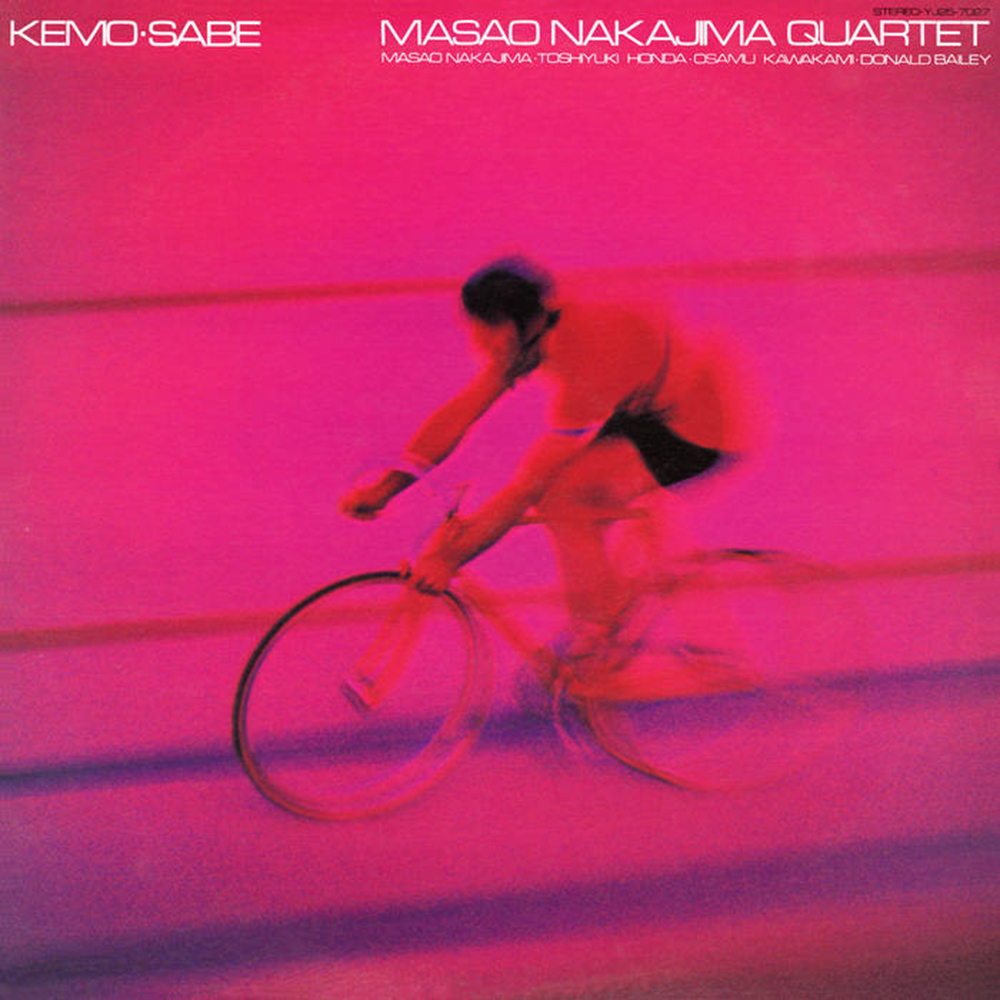
[et_pb_section fb_built= »1″ _builder_version= »4.16″ background_color= »#27657f » min_height= »407.7px » custom_padding= »68px||0px||| » global_colors_info= »{} »][et_pb_row make_equal= »on » custom_padding_last_edited= »on|phone » _builder_version= »4.16″ width= »60% » width_tablet= »90% » width_phone= »90% » width_last_edited= »on|phone » custom_margin= »||||false|false » custom_margin_tablet= » » custom_margin_phone= »0px||||false|false » custom_margin_last_edited= »on|phone » custom_padding_tablet= » » custom_padding_phone= »0px||||false|false » animation_style= »fade » global_colors_info= »{} »][et_pb_column type= »4_4″ _builder_version= »4.16″ global_colors_info= »{} »][et_pb_text content_last_edited= »off|desktop » _builder_version= »4.17.6″ text_text_color= »#ffffff » text_font_size= »50px » text_line_height= »1em » custom_padding= »30px||30px||true|false » global_colors_info= »{} »] MASAO NAKAJIMA QUARTET,Kemo Sabe [/et_pb_text][et_pb_text _builder_version= »4.17.5″ text_font= »Roboto|100||||||| » text_text_color= »#ffffff » text_font_size= »28px » text_line_height= »1.2em » custom_margin= »9px||||| » custom_padding= »||2px||| » global_colors_info= »{} »] réédition le 5 août 2022 chez BBE Music [/et_pb_text][et_pb_divider color= »#ff7ad2″ divider_style= »dotted » divider_position= »center » _builder_version= »4.16″ custom_margin= »0px||13px||false|false » custom_padding= »0px||0px||true|true » global_colors_info= »{} »][/et_pb_divider][et_pb_post_title title= »off » date_format= »j M Y » comments= »off » featured_image= »off » _builder_version= »4.16″ _module_preset= »default » meta_font= »Roboto|100||||||| » meta_text_color= »#FFFFFF » global_colors_info= »{} »][/et_pb_post_title][/et_pb_column][/et_pb_row][/et_pb_section][et_pb_section fb_built= »1″ custom_padding_last_edited= »on|phone » _builder_version= »4.16″ background_color= »#FFFFFF » custom_margin= »||||false|false » custom_margin_tablet= » » custom_margin_phone= »||0px||false|false » custom_margin_last_edited= »on|phone » custom_padding= »||||false|false » custom_padding_tablet= » » custom_padding_phone= »||0px||false|false » global_colors_info= »{} »][et_pb_row column_structure= »3_5,2_5″ _builder_version= »4.16″ width= »60% » width_tablet= »90% » width_phone= »90% » width_last_edited= »on|phone » custom_padding= »||2px||| » global_colors_info= »{} »][et_pb_column type= »3_5″ _builder_version= »4.16″ global_colors_info= »{} »][et_pb_image src= »https://pointbreak.fr/wp-content/uploads/2022/07/a2502609218_16.jpg » alt= »Kemo Sabe de Masao Nakajima Quartet » title_text= »Kemo Sabe de Masao Nakajima Quartet » _builder_version= »4.17.5″ _module_preset= »default » custom_margin= »||||false|false » animation_style= »fade » animation_direction= »left » animation_duration= »1450ms » border_color_all= »rgba(0,0,0,0.08) » box_shadow_style= »preset3″ box_shadow_vertical= »9px » global_colors_info= »{} »][/et_pb_image][et_pb_audio audio= »https://pointbreak.fr/wp-content/uploads/2022/07/Kemo-Sabe.mp3″ title= »Kemo-sabe » artist_name= »Masao Nakajima 4tet » album_name= »Kemo Sabe (1979) » _builder_version= »4.18.0″ _module_preset= »default » global_colors_info= »{} »][/et_pb_audio][et_pb_text content_tablet= » ENGLISH / FRANÇAIS A brilliant facet of J Jazz, Kemo Sabe has fun with its roots and possible inventions. On saxophone, Toshiyuki Honda, leader of the popular fusion band Burning Waves, blows on the embers. On drums, it’s Donald Bailey, regular American drummer for Jimmy Smith’s classic-boogaloo sessions on Blue Note. Even though it was recorded in an era when electric fusion was in full swing, Kemo Sabe remains squarely on its acoustic slope. The delicacy of the leader equals his power, all audible in the care taken in the production of the record. The Kirin runner of the cover will be able to do some laps, but this record is far from going in circles. Everything moves forward, within this classical invoice, this jazz does not reproduce anything that has been played before. It prolongs, propels and protects. Its roots and possible inventions. It remains to melt on each of the two sides of Kemo Sabe, to put on a helmet and to start a sprint to put in the ditch a Peter Sagan Sensei. » content_phone= » ENGLISH / FRANÇAIS A brilliant facet of J Jazz, Kemo Sabe has fun with its roots and possible inventions. On saxophone, Toshiyuki Honda, leader of the popular fusion band Burning Waves, blows on the embers. On drums, it’s Donald Bailey, regular American drummer for Jimmy Smith’s classic-boogaloo sessions on Blue Note. Even though it was recorded in an era when electric fusion was in full swing, Kemo Sabe remains squarely on its acoustic slope. The delicacy of the leader equals his power, all audible in the care taken in the production of the record. The Kirin runner of the cover will be able to do some laps, but this record is far from going in circles. Everything moves forward, within this classical invoice, this jazz does not reproduce anything that has been played before. It prolongs, propels and protects. Its roots and possible inventions. It remains to melt on each of the two sides of Kemo Sabe, to put on a helmet and to start a sprint to put in the ditch a Peter Sagan Sensei. » content_last_edited= »on|phone » _builder_version= »4.17.6″ _module_preset= »default » text_text_color= »#000000″ text_font_size= »16px » custom_margin= »5%||||false|false » global_colors_info= »{} »] ENGLISH A brilliant facet of J Jazz, Kemo Sabe has fun with its roots and possible inventions. On saxophone, Toshiyuki Honda, leader of the popular fusion band Burning Waves, blows on the embers. On drums, it’s Donald Bailey, regular American drummer for Jimmy Smith’s classic-boogaloo sessions on Blue Note. Even though it was recorded in an era when electric fusion was in full swing, Kemo Sabe remains squarely on its acoustic slope. The delicacy of the leader equals his power, all audible in the care taken in the production of the record. The Kirin runner of the cover will be able to do some laps, but this record is far from going in circles. Everything moves forward, within this classical invoice, this jazz does not reproduce anything that has been played before. It prolongs, propels and protects. Its roots and possible inventions. It remains to melt on each of the two sides of Kemo Sabe, to put on a helmet and to start a sprint to put in the ditch a Peter Sagan Sensei. [/et_pb_text][/et_pb_column][et_pb_column type= »2_5″ _builder_version= »4.16″ global_colors_info= »{} »][et_pb_text _builder_version= »4.17.6″ _module_preset= »default » text_text_color= »#000000″ link_font= »Roboto|||||||| » link_text_color= »#ff6600″ global_colors_info= »{} »] Facette brillante du J Jazz, Kemo Sabe s’amuse de ses racines et et des inventions possibles. Au saxophone, Toshiyuki Honda, leader du populaire groupe de fusion Burning Waves, souffle sur la braise. À la batterie, c’est Donald Bailey, batteur américain régulier des sessions classico-boogaloo de Jimmy Smith sur Blue Note. Même s’il est enregistré à l’ère où la fusion électrique est en pleine bourre, Kemo Sabe reste carrément sur sa pente acoustique. La délicatesse du leader égale sa puissance, tout est audible dans le soin pris à la production du disque. Le coureur de Kirin de la pochette aura beau faire des tours de piste, ce disque est loin de tourner en rond. Tout avance, au sein de cette facture classique, ce jazz ne reproduit rien de ce qui a peu être joué auparavant. Il prolonge, propulse et protège. Ses racines et les inventions possibles. Reste à se fondre sur chacune des deux faces de Kemo Sabe, enfiler un casque et déclencher un sprint à mettre dans le fossé un Peter Sagan Sensei. [/et_pb_text][et_pb_text _builder_version= »4.17.5″ link_text_color= »#FF6600″ custom_margin= »5%||||false|false » custom_padding= »||||false|false » global_colors_info= »{} »] —Masao Nakajima Quartet : DiscogsBBE Music : Site Web [/et_pb_text][/et_pb_column][/et_pb_row][/et_pb_section]
Machine, chronique

[et_pb_section fb_built= »1″ _builder_version= »4.16″ background_color= »#27657f » min_height= »407.7px » custom_padding= »68px||0px||| » global_colors_info= »{} »][et_pb_row make_equal= »on » custom_padding_last_edited= »on|phone » _builder_version= »4.16″ width= »60% » width_tablet= »90% » width_phone= »90% » width_last_edited= »on|phone » custom_margin= »||||false|false » custom_margin_tablet= » » custom_margin_phone= »0px||||false|false » custom_margin_last_edited= »on|phone » custom_padding_tablet= » » custom_padding_phone= »0px||||false|false » animation_style= »fade » global_colors_info= »{} »][et_pb_column type= »4_4″ _builder_version= »4.16″ global_colors_info= »{} »][et_pb_text content_last_edited= »off|desktop » _builder_version= »4.17.4″ text_text_color= »#ffffff » text_font_size= »50px » text_line_height= »1em » custom_padding= »30px||30px||true|false » global_colors_info= »{} »] MACHINE, S/T [/et_pb_text][et_pb_text _builder_version= »4.17.4″ text_font= »Roboto|100||||||| » text_text_color= »#ffffff » text_font_size= »28px » text_line_height= »1.2em » custom_margin= »9px||||| » custom_padding= »||2px||| » global_colors_info= »{} »] réédition le 2 septembre 2022 par WeWantSounds [/et_pb_text][et_pb_divider color= »#ff7ad2″ divider_style= »dotted » divider_position= »center » _builder_version= »4.16″ custom_margin= »0px||13px||false|false » custom_padding= »0px||0px||true|true » global_colors_info= »{} »][/et_pb_divider][et_pb_post_title title= »off » date_format= »j M Y » comments= »off » featured_image= »off » _builder_version= »4.16″ _module_preset= »default » meta_font= »Roboto|100||||||| » meta_text_color= »#FFFFFF » global_colors_info= »{} »][/et_pb_post_title][/et_pb_column][/et_pb_row][/et_pb_section][et_pb_section fb_built= »1″ custom_padding_last_edited= »on|phone » _builder_version= »4.16″ background_color= »#FFFFFF » custom_margin= »||||false|false » custom_margin_tablet= » » custom_margin_phone= »||0px||false|false » custom_margin_last_edited= »on|phone » custom_padding= »||||false|false » custom_padding_tablet= » » custom_padding_phone= »||0px||false|false » global_colors_info= »{} »][et_pb_row column_structure= »3_5,2_5″ _builder_version= »4.16″ width= »60% » width_tablet= »90% » width_phone= »90% » width_last_edited= »on|phone » custom_padding= »||2px||| » global_colors_info= »{} »][et_pb_column type= »3_5″ _builder_version= »4.16″ global_colors_info= »{} »][et_pb_image src= »https://pointbreak.fr/wp-content/uploads/2022/07/0028979019_10.jpg » alt= »Machine » title_text= »Machine » _builder_version= »4.17.4″ _module_preset= »default » custom_margin= »||||false|false » animation_style= »fade » animation_direction= »left » animation_duration= »1450ms » border_color_all= »rgba(0,0,0,0.08) » box_shadow_style= »preset3″ box_shadow_vertical= »9px » global_colors_info= »{} »][/et_pb_image][et_pb_audio audio= »https://pointbreak.fr/wp-content/uploads/2022/07/2A-Machine_Only-People-Can-Save-the-World.mp3″ title= »Only People Can Save The World » artist_name= »Machine » album_name= »(1972) » _builder_version= »4.17.4″ _module_preset= »default » background_color= »rgba(50,7,76,0.35) » global_colors_info= »{} »][/et_pb_audio][et_pb_text content_tablet= » ENGLISH / FRANÇAIS Machines are usually square. Engine, pistons, belts. Everything fits together nicely and works like a French clock gone in Switzerland. This Machine, however, remains shrouded in mystery. It works perfectly, with the Comté and the Swiss too. But with a little extra soul. The one heard from the first bars of Only People Can Save The World. Choirs of skinny cats a bit disillusioned, worried melody played with oboe, and bass of a distressed laconism. Machine is a funk album. At least, that’s what 1972 proclaimed at its release. Disappeared, and never reissued before, the funk of this ultra rare record is ultra rare, too. Percussive as a grenade in Kiev, violent and full of disillusions but also of jolts to pleasures, this music delivered by 3 young session sharks is conscious funk. Of itself and of the world in distress at the time. Directed and put together by Michael Watson, Curtis McTeer and Donald McCoy, the album Machine comes out of the All Platinum studios located in New Jersey where the label was based and then disappears immediately despite the presence of a pair of cult musicians like Sammy Lowe, magical arranger for Sam Cooke or Nina Simone’s happiness throats. Disappearance of a Machine, resurrected here with its original gears. Not a fart of play, not a wheel tooth missing. And mystery in spades. To listen again urgently and forever. » content_phone= » ENGLISH / FRANÇAIS Machines are usually square. Engine, pistons, belts. Everything fits together nicely and works like a French clock gone in Switzerland. This Machine, however, remains shrouded in mystery. It works perfectly, with the Comté and the Swiss too. But with a little extra soul. The one heard from the first bars of Only People Can Save The World. Choirs of skinny cats a bit disillusioned, worried melody played with oboe, and bass of a distressed laconism. Machine is a funk album. At least, that’s what 1972 proclaimed at its release. Disappeared, and never reissued before, the funk of this ultra rare record is ultra rare, too. Percussive as a grenade in Kiev, violent and full of disillusions but also of jolts to pleasures, this music delivered by 3 young session sharks is conscious funk. Of itself and of the world in distress at the time. Directed and put together by Michael Watson, Curtis McTeer and Donald McCoy, the album Machine comes out of the All Platinum studios located in New Jersey where the label was based and then disappears immediately despite the presence of a pair of cult musicians like Sammy Lowe, magical arranger for Sam Cooke or Nina Simone’s happiness throats. Disappearance of a Machine, resurrected here with its original gears. Not a fart of play, not a wheel tooth missing. And mystery in spades. To listen again urgently and forever. » content_last_edited= »on|phone » _builder_version= »4.17.4″ _module_preset= »default » text_text_color= »#000000″ text_font_size= »16px » custom_margin= »5%||||false|false » hover_enabled= »0″ global_colors_info= »{} » sticky_enabled= »0″] ENGLISH Machines are usually square. Engine, pistons, belts. Everything fits together nicely and works like a French clock gone in Switzerland. This Machine, however, remains shrouded in mystery. It works perfectly, with the Comté and the Swiss too. But with a little extra soul. The one heard from the first bars of Only People Can Save The World. Choirs of skinny cats a bit disillusioned, worried melody played with oboe, and bass of a distressed laconism. Machine is a funk album. At least, that’s what 1972 proclaimed at its release. Disappeared, and never reissued before, the funk of this ultra rare record is ultra rare, too. Percussive as a grenade in Kiev, violent and full of disillusions but also of jolts to pleasures, this music delivered by 3 young session sharks is conscious funk. Of itself and of the world in distress at the time. Directed and put together by Michael Watson, Curtis McTeer and Donald McCoy, the album Machine comes out of the All Platinum studios located in New Jersey where the label was based and then disappears immediately despite the presence of a pair of cult musicians like Sammy Lowe, magical arranger for Sam Cooke or Nina Simone’s happiness throats. Disappearance of a Machine, resurrected here with its original gears. Not a fart of play, not a wheel tooth missing. And mystery in spades. To listen again urgently and forever. [/et_pb_text][/et_pb_column][et_pb_column type= »2_5″ _builder_version= »4.16″ global_colors_info= »{} »][et_pb_text _builder_version= »4.17.4″ _module_preset= »default » text_text_color= »#000000″ link_font= »Roboto|||||||| » link_text_color= »#ff6600″ hover_enabled= »0″ global_colors_info= »{} » sticky_enabled= »0″] C’est carré d’habitude une machine. Moteur, pistons, courroies. Tout s’agence au cordeau et fonctionne comme une horloge comtoise exilée en Suisse. Ce Machine-là, pourtant reste nimbé de mystère. Ça fonctionne nickel, avec la Comté et le suisse lui-aussi. Mais avec un petit supplément d’âme. Celui entendu dès les premières mesures de Only People Can Save The World. Choeurs de chats maigres un poil désabusés, mélodie inquiète jouée au hautbois, et basse d’un laconisme affligé. Machine est un album de funk. Enfin, c’est que 1972 proclamait à sa sortie. Disparu, et jamais réédité auparavant, la funk de ce disque ultra rare est ultra rare, elle aussi. Percutante comme une grenade à Kiev, violente et pleine de désillusions mais aussi de secousses à plaisirs, cette musique livrée par 3 jeunes requins de session est de la funk consciente. D’elle-même et du monde en galère d’alors. Dirigée et ficelée par Michael Watson, Curtis McTeer et Donald McCoy, l’album Machine
Olá de Novo, chronique
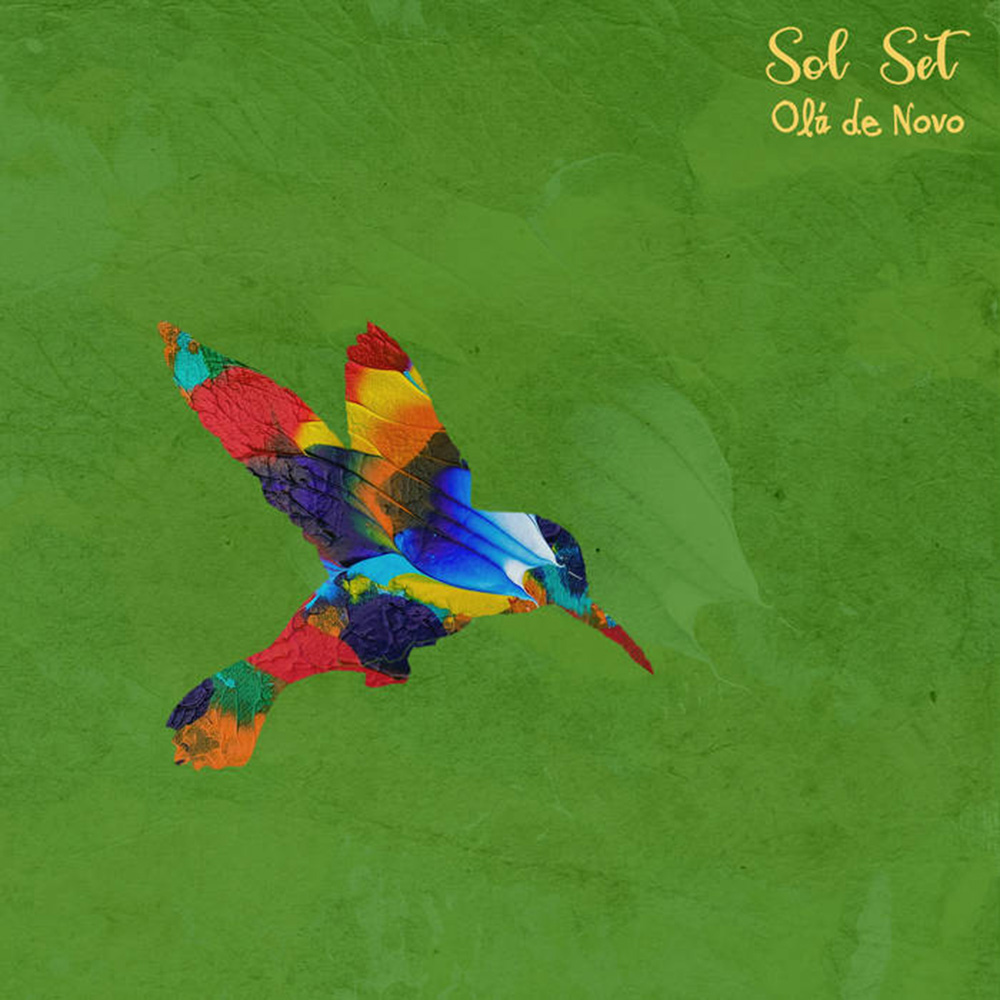
Pierre Barouh and The Saravah Sound, chronique

[et_pb_section fb_built= »1″ _builder_version= »4.16″ background_color= »#27657f » min_height= »407.7px » custom_padding= »68px||0px||| » global_colors_info= »{} »][et_pb_row make_equal= »on » custom_padding_last_edited= »on|phone » _builder_version= »4.16″ width= »60% » width_tablet= »90% » width_phone= »90% » width_last_edited= »on|phone » custom_margin= »||||false|false » custom_margin_tablet= » » custom_margin_phone= »0px||||false|false » custom_margin_last_edited= »on|phone » custom_padding_tablet= » » custom_padding_phone= »0px||||false|false » animation_style= »fade » global_colors_info= »{} »][et_pb_column type= »4_4″ _builder_version= »4.16″ global_colors_info= »{} »][et_pb_text content_last_edited= »off|desktop » _builder_version= »4.17.4″ text_text_color= »#ffffff » text_font_size= »50px » text_line_height= »1em » custom_padding= »30px||30px||true|false » global_colors_info= »{} »] Pierre Barouh and The Saravah Sound, Jazz, Samba and other Hallucinatory Grooves [/et_pb_text][et_pb_text _builder_version= »4.17.4″ text_font= »Roboto|100||||||| » text_text_color= »#ffffff » text_font_size= »28px » text_line_height= »1.2em » custom_margin= »9px||||| » custom_padding= »||2px||| » global_colors_info= »{} »] sorti le 22 juillet 2022 chez WeWantSounds [/et_pb_text][et_pb_divider color= »#ff7ad2″ divider_style= »dotted » divider_position= »center » _builder_version= »4.16″ custom_margin= »0px||13px||false|false » custom_padding= »0px||0px||true|true » global_colors_info= »{} »][/et_pb_divider][et_pb_post_title title= »off » date_format= »j M Y » comments= »off » featured_image= »off » _builder_version= »4.16″ _module_preset= »default » meta_font= »Roboto|100||||||| » meta_text_color= »#FFFFFF » global_colors_info= »{} »][/et_pb_post_title][/et_pb_column][/et_pb_row][/et_pb_section][et_pb_section fb_built= »1″ custom_padding_last_edited= »on|phone » _builder_version= »4.16″ background_color= »#FFFFFF » custom_margin= »||||false|false » custom_margin_tablet= » » custom_margin_phone= »||0px||false|false » custom_margin_last_edited= »on|phone » custom_padding= »||||false|false » custom_padding_tablet= » » custom_padding_phone= »||0px||false|false » global_colors_info= »{} »][et_pb_row column_structure= »3_5,2_5″ _builder_version= »4.16″ width= »60% » width_tablet= »90% » width_phone= »90% » width_last_edited= »on|phone » custom_padding= »||2px||| » global_colors_info= »{} »][et_pb_column type= »3_5″ _builder_version= »4.16″ global_colors_info= »{} »][et_pb_image src= »https://pointbreak.fr/wp-content/uploads/2022/07/a0478988799_16.jpg » alt= »Pierre Barouh and the Saravah Sound » title_text= »Pierre Barouh and the Saravah Sound » _builder_version= »4.17.4″ _module_preset= »default » custom_margin= »||||false|false » animation_style= »fade » animation_direction= »left » animation_duration= »1450ms » border_color_all= »rgba(0,0,0,0.08) » box_shadow_style= »preset3″ box_shadow_vertical= »9px » global_colors_info= »{} »][/et_pb_image][et_pb_code _builder_version= »4.17.4″ _module_preset= »default » global_colors_info= »{} »]Pierre Barouh and the Saravah Sound by Various[/et_pb_code][et_pb_text content_tablet= » ENGLISH / FRANÇAIS There are years when you just feel like doing nothing. No better statement, no better baseline for a music label. This is the motto of Saravah, the label created by Pierre Barouh in 1966. Do nothing. Not out of laziness, but to do nothing and let it happen. And that’s how the thousands of experimental songs from one of the most exploratory musical catalogs of the modern world came about. Brigitte Fontaine with the Art Ensemble, Pierre Barouh and Francis Lai for Lelouch, Higelin’s antics, Alfred Panou’s anticolo mischief. Then Maurice Vander, the Baroque Jazz Trio, Brazil, Africa and the groove that has become worldwide. It is beautiful, the stable Saravah. It is powerful and sensitive. This compilation, Pierre Barouh and the Saravah Sound offers one of the best possible panels of what this stakhanovism of pleasure has gathered, tested, allowed and promoted between 1965 and 1976. It is Benjamin, son of and learned guardian of the treasure, who pilots this synthesis, necessarily reducing but exciting in demon in front of all the colors posted in these 2 LP. 2 good reasons to stop everything and to do nothing more. Definitely. » content_phone= » ENGLISH / FRANÇAIS There are years when you just feel like doing nothing. No better statement, no better baseline for a music label. This is the motto of Saravah, the label created by Pierre Barouh in 1966. Do nothing. Not out of laziness, but to do nothing and let it happen. And that’s how the thousands of experimental songs from one of the most exploratory musical catalogs of the modern world came about. Brigitte Fontaine with the Art Ensemble, Pierre Barouh and Francis Lai for Lelouch, Higelin’s antics, Alfred Panou’s anticolo mischief. Then Maurice Vander, the Baroque Jazz Trio, Brazil, Africa and the groove that has become worldwide. It is beautiful, the stable Saravah. It is powerful and sensitive. This compilation, Pierre Barouh and the Saravah Sound offers one of the best possible panels of what this stakhanovism of pleasure has gathered, tested, allowed and promoted between 1965 and 1976. It is Benjamin, son of and learned guardian of the treasure, who pilots this synthesis, necessarily reducing but exciting in demon in front of all the colors posted in these 2 LP. 2 good reasons to stop everything and to do nothing more. Definitely. » content_last_edited= »on|phone » _builder_version= »4.17.4″ _module_preset= »default » text_text_color= »#000000″ text_font_size= »16px » custom_margin= »5%||||false|false » global_colors_info= »{} »] ENGLISH There are years when you just feel like doing nothing. No better statement, no better baseline for a music label. This is the motto of Saravah, the label created by Pierre Barouh in 1966. Do nothing. Not out of laziness, but to do nothing and let it happen. And that’s how the thousands of experimental songs from one of the most exploratory musical catalogs of the modern world came about. Brigitte Fontaine with the Art Ensemble, Pierre Barouh and Francis Lai for Lelouch, Higelin’s antics, Alfred Panou’s anticolo mischief. Then Maurice Vander, the Baroque Jazz Trio, Brazil, Africa and the groove that has become worldwide. It is beautiful, the stable Saravah. It is powerful and sensitive. This compilation, Pierre Barouh and the Saravah Sound offers one of the best possible panels of what this stakhanovism of pleasure has gathered, tested, allowed and promoted between 1965 and 1976. It is Benjamin, son of and learned guardian of the treasure, who pilots this synthesis, necessarily reducing but exciting in demon in front of all the colors posted in these 2 LP. 2 good reasons to stop everything and to do nothing more. Definitely. [/et_pb_text][/et_pb_column][et_pb_column type= »2_5″ _builder_version= »4.16″ global_colors_info= »{} »][et_pb_text _builder_version= »4.17.4″ _module_preset= »default » text_text_color= »#000000″ link_font= »Roboto|||||||| » link_text_color= »#ff6600″ hover_enabled= »0″ global_colors_info= »{} » sticky_enabled= »0″] Il y a des années où l’on a envie de ne rien faire. Pas meilleure décla, pas meilleure baseline pour un label de musique. C’est celle que Saravah, label monté par Pierre Barouh en 1966, s’est choisie comme devise. Ne rien faire. Pas par fainéantise, mais ne rien rien faire pour laisser venir. Et c’est ainsi que déboulent les milles trouvailles de chansons expérimentales d’un des plus exploratoires catalogues musicaux du monde moderne. Brigitte Fontaine avec l’Art Ensemble, Pierre Barouh et Francis Lai pour Lelouch, les frasques d’Higelin, les malices anticolo d’Alfred Panou. Puis Maurice Vander, le Baroque Jazz Trio, le Brésil, l’Afrique et le groove devenu mondial. C’est beau, l’écurie Saravah. C’est puissant et sensible. Cette compilation, Pierre Barouh and the Saravah Sound offre un des meilleurs panels possibles de ce que ce stakhanovismes du plaisir a regroupé, testé, permis et promu entre 1965 et 1976. C’est Benjamin, fils de et savant gardien du trésor, qui pilote cette synthèse, forcément réductrice mais excitante en démon devant toutes les couleurs affichées dans ce double LP. 2 bonnes raisons de tout arrêter et de ne plus rien faire. Définitivement. [/et_pb_text][et_pb_text _builder_version= »4.17.4″ link_text_color= »#FF6600″ custom_margin= »5%||||false|false » custom_padding= »||||false|false » global_colors_info= »{} »] —Les Editions Saravah : Site WebWeWantSounds : Site Web [/et_pb_text][/et_pb_column][/et_pb_row][/et_pb_section]
Group Theory : Black Music, chronique

[et_pb_section fb_built= »1″ _builder_version= »4.16″ background_color= »#27657f » min_height= »407.7px » custom_padding= »68px||0px||| » global_colors_info= »{} »][et_pb_row make_equal= »on » custom_padding_last_edited= »on|phone » _builder_version= »4.16″ width= »60% » width_tablet= »90% » width_phone= »90% » width_last_edited= »on|phone » custom_margin= »||||false|false » custom_margin_tablet= » » custom_margin_phone= »0px||||false|false » custom_margin_last_edited= »on|phone » custom_padding_tablet= » » custom_padding_phone= »0px||||false|false » animation_style= »fade » global_colors_info= »{} »][et_pb_column type= »4_4″ _builder_version= »4.16″ global_colors_info= »{} »][et_pb_text content_last_edited= »off|desktop » _builder_version= »4.17.4″ text_text_color= »#ffffff » text_font_size= »50px » text_line_height= »1em » custom_padding= »30px||30px||true|false » hover_enabled= »0″ global_colors_info= »{} » sticky_enabled= »0″] TUMI MOGOROSI,Group Theory : Black Music [/et_pb_text][et_pb_text _builder_version= »4.17.4″ text_font= »Roboto|100||||||| » text_text_color= »#ffffff » text_font_size= »28px » text_line_height= »1.2em » custom_margin= »9px||||| » custom_padding= »||2px||| » global_colors_info= »{} »] sorti le 8 juillet 2022 chez Mushroom Hour et New Soil [/et_pb_text][et_pb_divider color= »#ff7ad2″ divider_style= »dotted » divider_position= »center » _builder_version= »4.16″ custom_margin= »0px||13px||false|false » custom_padding= »0px||0px||true|true » global_colors_info= »{} »][/et_pb_divider][et_pb_post_title title= »off » date_format= »j M Y » comments= »off » featured_image= »off » _builder_version= »4.16″ _module_preset= »default » meta_font= »Roboto|100||||||| » meta_text_color= »#FFFFFF » global_colors_info= »{} »][/et_pb_post_title][/et_pb_column][/et_pb_row][/et_pb_section][et_pb_section fb_built= »1″ custom_padding_last_edited= »on|phone » _builder_version= »4.16″ background_color= »#FFFFFF » custom_margin= »||||false|false » custom_margin_tablet= » » custom_margin_phone= »||0px||false|false » custom_margin_last_edited= »on|phone » custom_padding= »||||false|false » custom_padding_tablet= » » custom_padding_phone= »||0px||false|false » global_colors_info= »{} »][et_pb_row column_structure= »3_5,2_5″ _builder_version= »4.16″ width= »60% » width_tablet= »90% » width_phone= »90% » width_last_edited= »on|phone » custom_padding= »||2px||| » global_colors_info= »{} »][et_pb_column type= »3_5″ _builder_version= »4.16″ global_colors_info= »{} »][et_pb_image src= »https://pointbreak.fr/wp-content/uploads/2022/06/a3689232991_16.jpg » alt= »Group Theory de Tumi Mogorosi » title_text= »Group Theory de Tumi Mogorosi » _builder_version= »4.17.4″ _module_preset= »default » custom_margin= »||||false|false » animation_style= »fade » animation_direction= »left » animation_duration= »1450ms » border_color_all= »rgba(0,0,0,0.08) » box_shadow_style= »preset3″ box_shadow_vertical= »9px » global_colors_info= »{} »][/et_pb_image][et_pb_code _builder_version= »4.17.4″ _module_preset= »default » hover_enabled= »0″ global_colors_info= »{} » sticky_enabled= »0″]Group Theory: Black Music by Tumi Mogorosi[/et_pb_code][et_pb_text content_tablet= » ENGLISH / FRANÇAIS Sometimes music inflames pleasure. Other times, it allows you to let off steam. Completely cathartic. As much for those who make it as for those who listen to it. Aristotle could not say otherwise. ‘Remember Your North Star’ by Yaya Bey has this cleansing effect. The storyteller’s new album is a therapy. Much more effective than a personal development book by Lise Bourbeau. 18 tracks sprinkled with poetic skits. In 30 seconds, ‘libation’ manifests the tears secretly shed by women. Women and more specifically black women. In addition to being a disturbing storyteller, Yaya Bey places misogynoir’s consequences in her songs. She exposes facts. Facts stated with humbleness. Without revolt, without judgments. Just reality. A reality underlined with optimism on ‘big daddy ya’ and ‘keisha’. The RnB singer doesn’t play with guilt using dark and solemn prods. Quite the reverse. The whole thing is joyful and soothed. Yaya Bey brings her flow on the chill and lo-fi instru of ‘nobody knows’. ‘alright’ warms up the atmosphere with its catchy jazz. Completely exciting. Sometimes music secretes endorphins. Other times, it goes into your thoughts and relieves you forever. » content_phone= » ENGLISH / FRANÇAIS Sometimes music inflames pleasure. Other times, it allows you to let off steam. Completely cathartic. As much for those who make it as for those who listen to it. Aristotle could not say otherwise. ‘Remember Your North Star’ by Yaya Bey has this cleansing effect. The storyteller’s new album is a therapy. Much more effective than a personal development book by Lise Bourbeau. 18 tracks sprinkled with poetic skits. In 30 seconds, ‘libation’ manifests the tears secretly shed by women. Women and more specifically black women. In addition to being a disturbing storyteller, Yaya Bey places misogynoir’s consequences in her songs. She exposes facts. Facts stated with humbleness. Without revolt, without judgments. Just reality. A reality underlined with optimism on ‘big daddy ya’ and ‘keisha’. The RnB singer doesn’t play with guilt using dark and solemn prods. Quite the reverse. The whole thing is joyful and soothed. Yaya Bey brings her flow on the chill and lo-fi instru of ‘nobody knows’. ‘alright’ warms up the atmosphere with its catchy jazz. Completely exciting. Sometimes music secretes endorphins. Other times, it goes into your thoughts and relieves you forever. » content_last_edited= »on|phone » _builder_version= »4.17.4″ _module_preset= »default » text_text_color= »#000000″ text_font_size= »16px » custom_margin= »5%||||false|false » hover_enabled= »0″ global_colors_info= »{} » sticky_enabled= »0″] ENGLISH And yet again spoke the Ancestors in a loud voice. Through the mouth of Tumi Mogorosi. The South African drummer, with his Group Theory: Black Music puts a foot deeper into the history of the Great Black Music and follows in the footsteps of great names of the same geographical point as Louis Moholo-Moholo. Mogorosi, voluntary exile here of the combo Shabaka and The Ancestors of Shabaka Hutchings, hits hard, hits soft and hits powerful. Result, 11 haunted tracks. By the history, Sometimes I Feel Like a Motherless Child or the Wadada tribute, by the human brothers, the antinazi scansion of Where Are The Keys, the almost permanent choirs, full of ancestral tensions, hope and worried future. We are pretty close to the sacro-pagan masterclasses of Bobby Hutcherson on The Creator (Now, Blue Note, 1969) and from Andrew Hill’s Lift Every Voice (Blue Note, 1969). But, attention, with a modernity and a South Africanism without appeal, listen to the drumming of Mogorosi, all in call and velocity on Panic Manic. Transational without possible transaction, these colors burn. Everything. The heart and the soul finally joined. [/et_pb_text][/et_pb_column][et_pb_column type= »2_5″ _builder_version= »4.16″ global_colors_info= »{} »][et_pb_text _builder_version= »4.17.4″ _module_preset= »default » text_text_color= »#000000″ link_font= »Roboto|||||||| » link_text_color= »#ff6600″ hover_enabled= »0″ global_colors_info= »{} » sticky_enabled= »0″] Et les Ancestors parlèrent d’une voix haute. Par la bouche de Tumi Mogorosi. Le batteur sud-africain, avec son Group Theory : Black Music pose un pied plus profond dans l’histoire de la Great Black Music et emboîte le pas à la lignée de grands noms de la même pointe géographique comme Louis Moholo-Moholo. Mogorosi, exilé volontaire ici du combo Shabaka and The Ancestors de Shabaka Hutchings, frappe fort, frappe souple et frappe puissant. Résultat, 11 titres hantés. Hantés par l’histoire, Sometimes I Feel Like a Motherless Child ou l’hommage Wadada, hantés par les frères humains, la scansion antinazi de Where Are The Keys, les chœurs quasi permanents, pleins de tensions ancestrales, d’espoir et d’avenir inquiets. On n’est pas très loin des réussites sacro-paiennes de Bobby Hutcherson sur The Creator (Now, Blue Note, 1969) et surtout du Lift Every Voice d’Andrew Hill (Blue Note, 1969). Mais, attention, avec une modernité et une sudafricanéïté sans appel, écouter le drumming de Mogorosi, tout en appel et en vélocité sur Panic Manic. Transationales sans transaction possible, ces couleurs brûlent. Tout. Le coeur et l’âme réunis. [/et_pb_text][et_pb_text _builder_version= »4.17.4″ link_text_color= »#FF6600″ custom_margin= »5%||||false|false » custom_padding= »||||false|false » global_colors_info= »{} »] —Tumi Mogorosi : BandcampNew Soil : Site Web [/et_pb_text][/et_pb_column][/et_pb_row][/et_pb_section]