Paradia, chronique
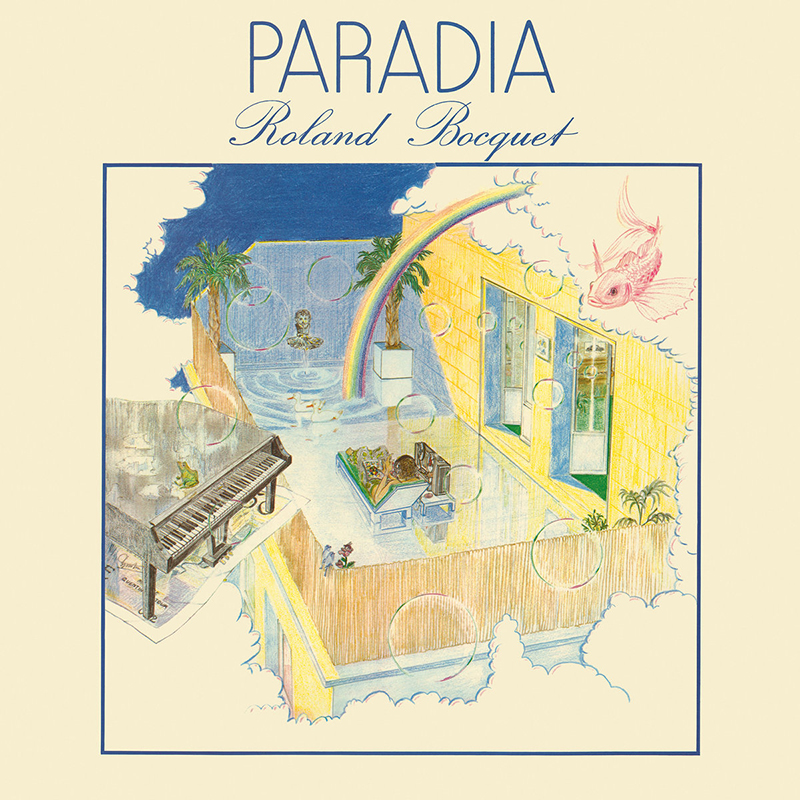
[et_pb_section fb_built= »1″ _builder_version= »4.9.4″ background_color= »#27657f » min_height= »407.7px » custom_padding= »68px||0px||| » global_colors_info= »{} »][et_pb_row make_equal= »on » custom_padding_last_edited= »on|phone » _builder_version= »4.9.4″ width= »60% » width_tablet= »90% » width_phone= »90% » width_last_edited= »on|phone » custom_margin= »||||false|false » custom_margin_tablet= » » custom_margin_phone= »0px||||false|false » custom_margin_last_edited= »on|phone » custom_padding_tablet= » » custom_padding_phone= »0px||||false|false » animation_style= »fade » global_colors_info= »{} »][et_pb_column type= »4_4″ _builder_version= »4.0.6″ global_colors_info= »{} »][et_pb_text content_last_edited= »off|desktop » _builder_version= »4.12.1″ text_text_color= »#ffffff » text_font_size= »50px » text_line_height= »1em » custom_padding= »30px||30px||true|false » global_colors_info= »{} »] ROLAND BOCQUET, Paradia [/et_pb_text][et_pb_text _builder_version= »4.12.1″ text_font= »Roboto|100||||||| » text_text_color= »#ffffff » text_font_size= »28px » text_line_height= »1.2em » custom_margin= »9px||||| » custom_padding= »||2px||| » global_colors_info= »{} »] sortie le 11 octobre 2021 chez WRWTFWW Records [/et_pb_text][et_pb_divider color= »#ff7ad2″ divider_style= »dotted » divider_position= »center » _builder_version= »4.0.6″ custom_margin= »0px||13px||false|false » custom_padding= »0px||0px||true|true » global_colors_info= »{} »][/et_pb_divider][et_pb_post_title title= »off » date_format= »j M Y » comments= »off » featured_image= »off » _builder_version= »4.9.4″ _module_preset= »default » meta_font= »Roboto|100||||||| » meta_text_color= »#FFFFFF » global_colors_info= »{} »][/et_pb_post_title][/et_pb_column][/et_pb_row][/et_pb_section][et_pb_section fb_built= »1″ custom_padding_last_edited= »on|phone » _builder_version= »4.9.4″ background_color= »#FFFFFF » custom_margin= »||||false|false » custom_margin_tablet= » » custom_margin_phone= »||0px||false|false » custom_margin_last_edited= »on|phone » custom_padding= »||||false|false » custom_padding_tablet= » » custom_padding_phone= »||0px||false|false » global_colors_info= »{} »][et_pb_row column_structure= »3_5,2_5″ _builder_version= »4.9.4″ width= »60% » width_tablet= »90% » width_phone= »90% » width_last_edited= »on|phone » custom_padding= »||2px||| » global_colors_info= »{} »][et_pb_column type= »3_5″ _builder_version= »4.0.4″ global_colors_info= »{} »][et_pb_image src= »https://pointbreak.fr/wp-content/uploads/2021/11/a3871766345_10.jpg » alt= »Roland Bocquet – Paradia » title_text= »Roland Bocquet – Paradia » _builder_version= »4.12.1″ _module_preset= »default » custom_margin= »||||false|false » animation_style= »fade » animation_direction= »left » animation_duration= »1450ms » border_color_all= »rgba(0,0,0,0.08) » box_shadow_style= »preset3″ box_shadow_vertical= »9px » global_colors_info= »{} »][/et_pb_image][et_pb_code _builder_version= »4.12.1″ _module_preset= »default » custom_margin= »4em||||false|false » hover_enabled= »0″ global_colors_info= »{} » sticky_enabled= »0″]Paradia by Roland Bocquet[/et_pb_code][et_pb_text content_tablet= » ENGLISH / FRANÇAIS 1977. When some lads babbled like punks and glued their hair with beer gushes, others were adjusting their ties and plugging in their synthesizers. They were inventing the future while the first ones were trying to block it. And that same future is present in every measure of this Paradia, chiseled with great class and accuracy by Roland Bocquet. With some French puns too, slipped into the titles and some melodies. The Ducks play pocket choral symphonies, we dance on T’aime Libanais and on Bee Flat. Bocquet, as a good punk with a suit, doesn’t deny himself anything. This reissue, also very classy, shows it from head to tail. 10 tracks to take in disorder, according to the mood or the direction of the wind. That blows in Djerba or L’Allumette. The one that just shakes the branches of a burning bush, unclassifiable. As strange as feel-good. The beautiful bizarre deployed by Roland Bocquet has the sense of the break of climate, of the effects of style and sleeve. In short the sense of the catharsis, with a capital letter even for the group of which Bocquet occupied the keyboards. Here, in the heart of this small sonic purge, the disinhibited comfort. We said it, nothing is forbidden. Not even the small minimal and futuristic dancefloor of Exotique. Nothing. Nada. » content_phone= » ENGLISH / FRANÇAIS 1977. When some lads babbled like punks and glued their hair with beer gushes, others were adjusting their ties and plugging in their synthesizers. They were inventing the future while the first ones were trying to block it. And that same future is present in every measure of this Paradia, chiseled with great class and accuracy by Roland Bocquet. With some French puns too, slipped into the titles and some melodies. The Ducks play pocket choral symphonies, we dance on T’aime Libanais and on Bee Flat. Bocquet, as a good punk with a suit, doesn’t deny himself anything. This reissue, also very classy, shows it from head to tail. 10 tracks to take in disorder, according to the mood or the direction of the wind. That blows in Djerba or L’Allumette. The one that just shakes the branches of a burning bush, unclassifiable. As strange as feel-good. The beautiful bizarre deployed by Roland Bocquet has the sense of the break of climate, of the effects of style and sleeve. In short the sense of the catharsis, with a capital letter even for the group of which Bocquet occupied the keyboards. Here, in the heart of this small sonic purge, the disinhibited comfort. We said it, nothing is forbidden. Not even the small minimal and futuristic dancefloor of Exotique. Nothing. Nada. » content_last_edited= »on|phone » _builder_version= »4.12.1″ _module_preset= »default » text_text_color= »#000000″ text_font_size= »16px » custom_margin= »5%||||false|false » global_colors_info= »{} »] ENGLISH 1977. When some lads babbled like punks and glued their hair with beer gushes, others were adjusting their ties and plugging in their synthesizers. They were inventing the future while the first ones were trying to block it. And that same future is present in every measure of this Paradia, chiseled with great class and accuracy by Roland Bocquet. With some French puns too, slipped into the titles and some melodies. The Ducks play pocket choral symphonies, we dance on T’aime Libanais and on Bee Flat. Bocquet, as a good punk with a suit, doesn’t deny himself anything. This reissue, also very classy, shows it from head to tail. 10 tracks to take in disorder, according to the mood or the direction of the wind. That blows in Djerba or L’Allumette. The one that just shakes the branches of a burning bush, unclassifiable. As strange as feel-good. The beautiful bizarre deployed by Roland Bocquet has the sense of the break of climate, of the effects of style and sleeve. In short the sense of the catharsis, with a capital letter even for the group of which Bocquet occupied the keyboards. Here, in the heart of this small sonic purge, the disinhibited comfort. We said it, nothing is forbidden. Not even the small minimal and futuristic dancefloor of Exotique. Nothing. Nada. [/et_pb_text][/et_pb_column][et_pb_column type= »2_5″ _builder_version= »4.0.4″ global_colors_info= »{} »][et_pb_text _builder_version= »4.12.1″ _module_preset= »default » text_text_color= »#000000″ link_font= »Roboto|||||||| » link_text_color= »#ff6600″ global_colors_info= »{} »] 1977. Quand des zozos faisaient les punks en se collant les cheveux à la bière, d’autres ajustaient leurs cravates et branchaient leurs synthétiseurs. Eux inventaient le futur quand les premiers tentaient de lui compliquer l’avenir. Et du futur, il y en a à tous les mesures de ce Paradia, ciselé avec grande classe et super justesse par Roland Bocquet. Avec quelques jeux de mots aussi, glissés dans les titres et quelques mélodies. Les Canards jouent des symphonies chorales de poche, on danse sur T’aime Libanais et sur Bee Flat. Bocquet, en bon punk à costard, ne se refusent rien et s’en interdit pas moins. Cette réédition, très classe elle-aussi, le montre de la tête à la queue. 10 titres à prendre dans le désordre, selon l’humeur ou le sens du vent. Celui souffle à Djerba ou L’Allumette. Celui qui bouscule tout juste les rameaux d’un buisson ardent, inclassable. Aussi étrange que feel-good. Le beau bizarre déployé par Roland Bocquet a le sens de la rupture de climat, des effets de style et de manche. Bref le sens de de la catharsis, avec une majuscule même pour le groupe dont
Code Of Being, chronique
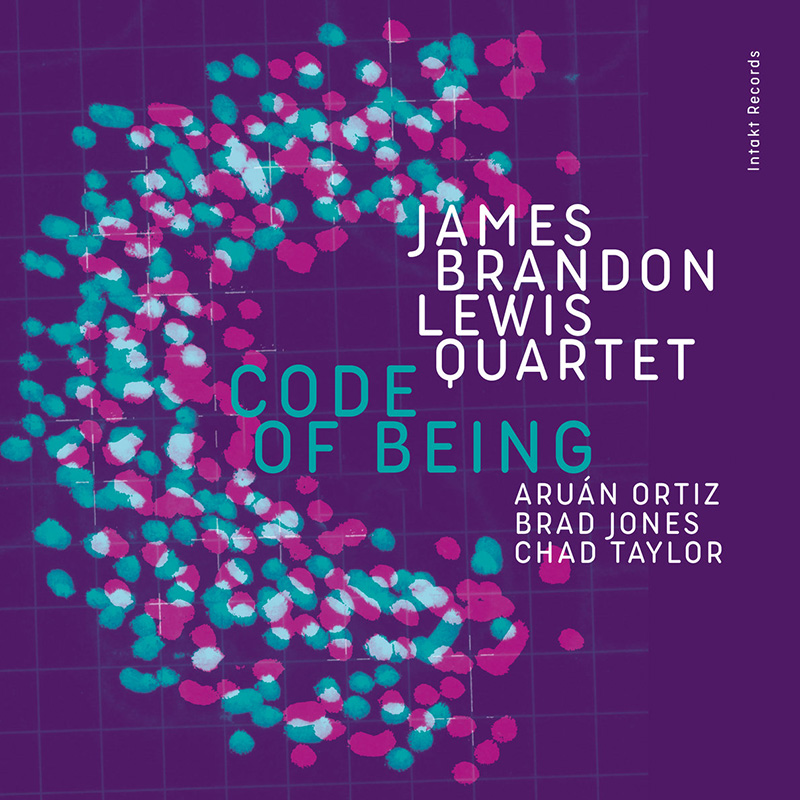
[et_pb_section fb_built= »1″ _builder_version= »4.9.4″ background_color= »#27657f » min_height= »407.7px » custom_padding= »68px||0px||| » global_colors_info= »{} »][et_pb_row make_equal= »on » custom_padding_last_edited= »on|phone » _builder_version= »4.9.4″ width= »60% » width_tablet= »90% » width_phone= »90% » width_last_edited= »on|phone » custom_margin= »||||false|false » custom_margin_tablet= » » custom_margin_phone= »0px||||false|false » custom_margin_last_edited= »on|phone » custom_padding_tablet= » » custom_padding_phone= »0px||||false|false » animation_style= »fade » global_colors_info= »{} »][et_pb_column type= »4_4″ _builder_version= »4.0.6″ global_colors_info= »{} »][et_pb_text content_last_edited= »off|desktop » _builder_version= »4.12.1″ text_text_color= »#ffffff » text_font_size= »50px » text_line_height= »1em » custom_padding= »30px||30px||true|false » global_colors_info= »{} »] JAMES BRANDON LEWIS QUARTET,Code Of Being [/et_pb_text][et_pb_text _builder_version= »4.12.1″ text_font= »Roboto|100||||||| » text_text_color= »#ffffff » text_font_size= »28px » text_line_height= »1.2em » custom_margin= »9px||||| » custom_padding= »||2px||| » global_colors_info= »{} »] sortie le 16 octobre 2021 chez Intakt Records [/et_pb_text][et_pb_divider color= »#ff7ad2″ divider_style= »dotted » divider_position= »center » _builder_version= »4.0.6″ custom_margin= »0px||13px||false|false » custom_padding= »0px||0px||true|true » global_colors_info= »{} »][/et_pb_divider][et_pb_post_title title= »off » date_format= »j M Y » comments= »off » featured_image= »off » _builder_version= »4.9.4″ _module_preset= »default » meta_font= »Roboto|100||||||| » meta_text_color= »#FFFFFF » global_colors_info= »{} »][/et_pb_post_title][/et_pb_column][/et_pb_row][/et_pb_section][et_pb_section fb_built= »1″ custom_padding_last_edited= »on|phone » _builder_version= »4.9.4″ background_color= »#FFFFFF » custom_margin= »||||false|false » custom_margin_tablet= » » custom_margin_phone= »||0px||false|false » custom_margin_last_edited= »on|phone » custom_padding= »||||false|false » custom_padding_tablet= » » custom_padding_phone= »||0px||false|false » global_colors_info= »{} »][et_pb_row column_structure= »3_5,2_5″ _builder_version= »4.9.4″ width= »60% » width_tablet= »90% » width_phone= »90% » width_last_edited= »on|phone » custom_padding= »||2px||| » global_colors_info= »{} »][et_pb_column type= »3_5″ _builder_version= »4.0.4″ global_colors_info= »{} »][et_pb_image src= »https://pointbreak.fr/wp-content/uploads/2021/11/CodeOfBeing_JamesBrandonLewis.jpg » alt= »Code Of Being du James Brandon Lewis Quartet » title_text= »Code Of Being James Brandon Lewis Quartet » _builder_version= »4.12.1″ _module_preset= »default » custom_margin= »||||false|false » animation_style= »fade » animation_direction= »left » animation_duration= »1450ms » border_color_all= »rgba(0,0,0,0.08) » box_shadow_style= »preset3″ box_shadow_vertical= »9px » global_colors_info= »{} »][/et_pb_image][et_pb_code _builder_version= »4.12.1″ _module_preset= »default » custom_margin= »3em||||false|false » hover_enabled= »0″ global_colors_info= »{} » sticky_enabled= »0″]Code of Being by JAMES BRANDON LEWIS QUARTET with Aruán Ortiz, Brad Jones and Chad Taylor[/et_pb_code][et_pb_text content_tablet= » ENGLISH / FRANÇAIS Square thang. This quartet is bring to its squaring and, on Code Of Being, the stability remains the same as the one we left in Molecular. Perfectly unstable. Reptilian pulse, clarity of the showed teeth, implicit and soulful jerks. We persists here, James Brandon prolongs the worried lyricism of a Sonny Rollins. Per 5 sounds with this personal urgency, this necessity to say things that have to. James Brandon Lewis exposes on tenor a holly heritage with a maverick side in its soft power. Sacred music? We Insist! The small litanies in crescendo say a lot about the saxophonist, about a love of the World, renewed every morning, we bet. The same goes for the whole quartet. A combo less concerned with the rage of wanting to find how to say things than with the energy of experimenting a common way to do it. Each one of these 4 has the keys of the Code Of Being together and united. Hear at Chad Taylor drilling holes in his pals’ language on Archimedean and the eponymous track. Look at Aruán Ortiz and the Latin clusters of Where Is Hela where Lewis plays unstoppable and stirring, displays his skills for balanced notes. Without surprise, nothing is free in this record, classy compositions and terrific interplay. The energy to fraternize even offers itself the delicate luxury to be able to ease angers for some time. » content_phone= » ENGLISH / FRANÇAIS Square thang. This quartet is bring to its squaring and, on Code Of Being, the stability remains the same as the one we left in Molecular. Perfectly unstable. Reptilian pulse, clarity of the showed teeth, implicit and soulful jerks. We persists here, James Brandon prolongs the worried lyricism of a Sonny Rollins. Per 5 sounds with this personal urgency, this necessity to say things that have to. James Brandon Lewis exposes on tenor a holly heritage with a maverick side in its soft power. Sacred music? We Insist! The small litanies in crescendo say a lot about the saxophonist, about a love of the World, renewed every morning, we bet. The same goes for the whole quartet. A combo less concerned with the rage of wanting to find how to say things than with the energy of experimenting a common way to do it. Each one of these 4 has the keys of the Code Of Being together and united. Hear at Chad Taylor drilling holes in his pals’ language on Archimedean and the eponymous track. Look at Aruán Ortiz and the Latin clusters of Where Is Hela where Lewis plays unstoppable and stirring, displays his skills for balanced notes. Without surprise, nothing is free in this record, classy compositions and terrific interplay. The energy to fraternize even offers itself the delicate luxury to be able to ease angers for some time. » content_last_edited= »on|phone » _builder_version= »4.12.1″ _module_preset= »default » text_text_color= »#000000″ text_font_size= »16px » custom_margin= »5%||||false|false » global_colors_info= »{} »] ENGLISH Square thang. This quartet is bring to its squaring and, on Code Of Being, the stability remains the same as the one we left in Molecular. Perfectly unstable. Reptilian pulse, clarity of the showed teeth, implicit and soulful jerks. We persists here, James Brandon prolongs the worried lyricism of a Sonny Rollins. Per 5 sounds with this personal urgency, this necessity to say things that have to. James Brandon Lewis exposes on tenor a holly heritage with a maverick side in its soft power. Sacred music? We Insist! The small litanies in crescendo say a lot about the saxophonist, about a love of the World, renewed every morning, we bet. The same goes for the whole quartet. A combo less concerned with the rage of wanting to find how to say things than with the energy of experimenting a common way to do it. Each one of these 4 has the keys of the Code Of Being together and united. Hear at Chad Taylor drilling holes in his pals’ language on Archimedean and the eponymous track. Look at Aruán Ortiz and the Latin clusters of Where Is Hela where Lewis plays unstoppable and stirring, displays his skills for balanced notes. Without surprise, nothing is free in this record, classy compositions and terrific interplay. The energy to fraternize even offers itself the delicate luxury to be able to ease angers for some time. [/et_pb_text][/et_pb_column][et_pb_column type= »2_5″ _builder_version= »4.0.4″ global_colors_info= »{} »][et_pb_text _builder_version= »4.12.1″ _module_preset= »default » text_text_color= »#000000″ link_font= »Roboto|||||||| » link_text_color= »#ff6600″ global_colors_info= »{} »] C’est carré. Ce quartet est renvoyé à sa quadrature et, sur Code Of Being, l’équilibre reste le même que celui des particules de Molecular. Parfaitement instable. Pulse reptilien, clarté des incisives montrée, saccades implicites et pleines de soul. On persiste ici, James Brandon prolonge le lyrisme inquiet d’un Sonny Rollins. Per 5 résonne de cette urgence personnelle, de cette nécessité à dire les choses. James Brandon Lewis, au ténor expose un héritage soul toujours un peu contestataire dans son soft power. Musique sacrée ? We Insist! Les petites litanies en crescendo en disent long sur le saxophoniste, sur un amour du Monde, renouvelé chaque matin. Idem pour l’ensemble du quartet. Quartet moins porté sur la rage de vouloir trouver comment dire les choses que sur l’énergie d’expérimenter un commun pour le
Arcadia, chronique
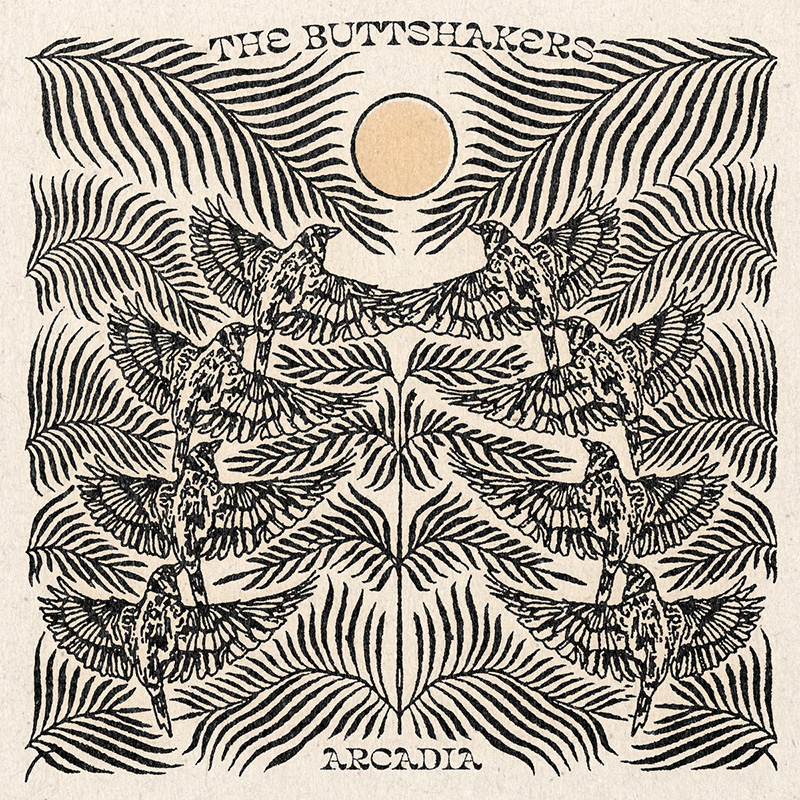
[et_pb_section fb_built= »1″ _builder_version= »4.9.4″ background_color= »#27657f » min_height= »407.7px » custom_padding= »68px||0px||| » global_colors_info= »{} »][et_pb_row make_equal= »on » custom_padding_last_edited= »on|phone » _builder_version= »4.9.4″ width= »60% » width_tablet= »90% » width_phone= »90% » width_last_edited= »on|phone » custom_margin= »||||false|false » custom_margin_tablet= » » custom_margin_phone= »0px||||false|false » custom_margin_last_edited= »on|phone » custom_padding_tablet= » » custom_padding_phone= »0px||||false|false » animation_style= »fade » global_colors_info= »{} »][et_pb_column type= »4_4″ _builder_version= »4.0.6″ global_colors_info= »{} »][et_pb_text content_last_edited= »off|desktop » _builder_version= »4.11.4″ text_text_color= »#ffffff » text_font_size= »50px » text_line_height= »1em » custom_padding= »30px||30px||true|false » global_colors_info= »{} »] THE BUTTSHAKERS, Arcadia [/et_pb_text][et_pb_text _builder_version= »4.11.4″ text_font= »Roboto|100||||||| » text_text_color= »#ffffff » text_font_size= »28px » text_line_height= »1.2em » custom_margin= »9px||||| » custom_padding= »||2px||| » global_colors_info= »{} »] sortie le 5 novembre 2021 chez Underdog Records [/et_pb_text][et_pb_divider color= »#ff7ad2″ divider_style= »dotted » divider_position= »center » _builder_version= »4.0.6″ custom_margin= »0px||13px||false|false » custom_padding= »0px||0px||true|true » global_colors_info= »{} »][/et_pb_divider][et_pb_post_title title= »off » date_format= »j M Y » comments= »off » featured_image= »off » _builder_version= »4.9.4″ _module_preset= »default » meta_font= »Roboto|100||||||| » meta_text_color= »#FFFFFF » global_colors_info= »{} »][/et_pb_post_title][/et_pb_column][/et_pb_row][/et_pb_section][et_pb_section fb_built= »1″ custom_padding_last_edited= »on|phone » _builder_version= »4.9.4″ background_color= »#FFFFFF » custom_margin= »||||false|false » custom_margin_tablet= » » custom_margin_phone= »||0px||false|false » custom_margin_last_edited= »on|phone » custom_padding= »||||false|false » custom_padding_tablet= » » custom_padding_phone= »||0px||false|false » global_colors_info= »{} »][et_pb_row column_structure= »3_5,2_5″ _builder_version= »4.9.4″ width= »60% » width_tablet= »90% » width_phone= »90% » width_last_edited= »on|phone » custom_padding= »||2px||| » global_colors_info= »{} »][et_pb_column type= »3_5″ _builder_version= »4.0.4″ global_colors_info= »{} »][et_pb_image src= »https://pointbreak.fr/wp-content/uploads/2021/10/TheButtshakers.jpg » alt= »The Buttshakers » title_text= »The Buttshakers » _builder_version= »4.11.4″ _module_preset= »default » custom_margin= »||||false|false » animation_style= »fade » animation_direction= »left » animation_duration= »1450ms » border_color_all= »rgba(0,0,0,0.08) » box_shadow_style= »preset3″ box_shadow_vertical= »9px » global_colors_info= »{} »][/et_pb_image][et_pb_code _builder_version= »4.11.4″ _module_preset= »default » custom_margin= »4em||||false|false » global_colors_info= »{} »]Arcadia by THE BUTTSHAKERS[/et_pb_code][et_pb_text content_tablet= » ENGLISH / FRANÇAIS Hot or iced? The Buttshakers flirt with this neverending question. And their Arcadia tells its answers with an insane aesthetic. Arcadia is a bipolar chaos between the beauty of the music and the darkness of the lyrics. A kind of poisoned gift. Bestial instrumentals that make your hips sway. The disconcerting sensuality of Ciara Thompson’s voice. Behind this beauty, the lyrics are brutally pragmatic. And it slaps you as hell. Committed lyrics make you want to smash everything. The problem is that it’s a dangerous game. The desire to dance is unbearable. But, once the lyrics are understood, an ounce of guilt is almost present. Not in my name, sounds like a cry of anger that comes from the depths of the guts. The composition is crazy. The drums are pressing. The flute intensifies the mood. The sax arrives like a climax. %22My brothers said I can’t breathe%22 in loop in the head. Mind Blowing. Change of scene with Nightcrawl. Lascivious atmosphere. The guitar announces this vibe and forces the impression of being a random person lost in the middle of the night. The backings vocals make the sound even hotter. Comforting or oppressive heat? Both. Even deeper with Daddy Issues, powerful but overwhelming. The sound works in two times. First time where Ciara Thompson tells. Second time which gives place to a musical violence. Drums are so heavy that rythm must be perfect.. An abnormally suffocating flute. A deeply hypnotic guitar. Scary but niceley pleasant. » content_phone= » ENGLISH / FRANÇAIS Hot or iced? The Buttshakers flirt with this neverending question. And their Arcadia tells its answers with an insane aesthetic. Arcadia is a bipolar chaos between the beauty of the music and the darkness of the lyrics. A kind of poisoned gift. Bestial instrumentals that make your hips sway. The disconcerting sensuality of Ciara Thompson’s voice. Behind this beauty, the lyrics are brutally pragmatic. And it slaps you as hell. Committed lyrics make you want to smash everything. The problem is that it’s a dangerous game. The desire to dance is unbearable. But, once the lyrics are understood, an ounce of guilt is almost present. Not in my name, sounds like a cry of anger that comes from the depths of the guts. The composition is crazy. The drums are pressing. The flute intensifies the mood. The sax arrives like a climax. %22My brothers said I can’t breathe%22 in loop in the head. Mind Blowing. Change of scene with Nightcrawl. Lascivious atmosphere. The guitar announces this vibe and forces the impression of being a random person lost in the middle of the night. The backings vocals make the sound even hotter. Comforting or oppressive heat? Both. Even deeper with Daddy Issues, powerful but overwhelming. The sound works in two times. First time where Ciara Thompson tells. Second time which gives place to a musical violence. Drums are so heavy that rythm must be perfect. An abnormally suffocating flute. A deeply hypnotic guitar. Scary but niceley pleasant. » content_last_edited= »on|phone » _builder_version= »4.11.4″ _module_preset= »default » text_text_color= »#000000″ text_font_size= »16px » custom_margin= »5%||||false|false » hover_enabled= »0″ global_colors_info= »{} » sticky_enabled= »0″] ENGLISH Hot or iced? The Buttshakers flirt with this neverending question. And their Arcadia tells its answers with an insane aesthetic. Arcadia is a bipolar chaos between the beauty of the music and the darkness of the lyrics. A kind of poisoned gift. Bestial instrumentals that make your hips sway. The disconcerting sensuality of Ciara Thompson’s voice. Behind this beauty, the lyrics are brutally pragmatic. And it slaps you as hell. Committed lyrics make you want to smash everything. The problem is that it’s a dangerous game. The desire to dance is unbearable. But, once the lyrics are understood, an ounce of guilt is almost present. Not in my name, sounds like a cry of anger that comes from the depths of the guts. The composition is crazy. The drums are pressing. The flute intensifies the mood. The sax arrives like a climax. « My brothers said I can’t breathe » in loop in the head. Mind Blowing. Change of scene with Nightcrawl. Lascivious atmosphere. The guitar announces this vibe and forces the impression of being a random person lost in the middle of the night. The backings vocals make the sound even hotter. Comforting or oppressive heat? Both. Even deeper with Daddy Issues, powerful but overwhelming. The sound works in two times. First time where Ciara Thompson tells. Second time which gives place to a musical violence. Drums are so heavy that rythm must be perfect. An abnormally suffocating flute. A deeply hypnotic guitar. Scary but niceley pleasant. [/et_pb_text][/et_pb_column][et_pb_column type= »2_5″ _builder_version= »4.0.4″ global_colors_info= »{} »][et_pb_text _builder_version= »4.11.4″ _module_preset= »default » text_text_color= »#000000″ link_font= »Roboto|||||||| » link_text_color= »#ff6600″ global_colors_info= »{} »] Chaud ou froid ? The Buttshakers flirtent avec cette question éternelle. Et leur Arcadia y répond avec une esthétique de taré. Arcadia, c’est un chaos bipolaire entre la beauté de la musique et la noirceur des paroles. Une sorte de cadeau empoisonné. Des instrus bestiales qui font vaciller les hanches. La sensualité déconcertante de la voix de Ciara Thompson. Derrière cette beauté, les paroles sont brutalement pragmatiques. Et ça fout une gifle. Une gifle plutôt violente, même. Des lyrics militantes qui donnent envie de tout défoncer. Le problème, c’est que c’est un dangerous game. Le désir de danser est intenable. Mais, une fois les paroles comprises, une once de culpabilité est presque présente. Not in
Bardainne Jaumet, chronique
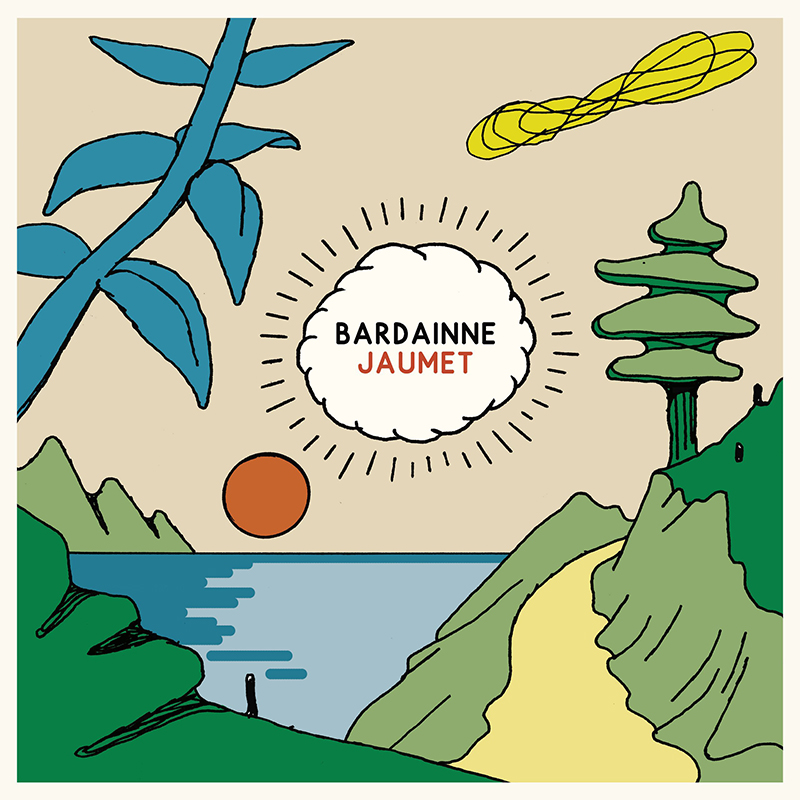
[et_pb_section fb_built= »1″ _builder_version= »4.9.4″ background_color= »#27657f » min_height= »407.7px » custom_padding= »68px||0px||| » global_colors_info= »{} »][et_pb_row make_equal= »on » custom_padding_last_edited= »on|phone » _builder_version= »4.9.4″ width= »60% » width_tablet= »90% » width_phone= »90% » width_last_edited= »on|phone » custom_margin= »||||false|false » custom_margin_tablet= » » custom_margin_phone= »0px||||false|false » custom_margin_last_edited= »on|phone » custom_padding_tablet= » » custom_padding_phone= »0px||||false|false » animation_style= »fade » global_colors_info= »{} »][et_pb_column type= »4_4″ _builder_version= »4.0.6″ global_colors_info= »{} »][et_pb_text content_last_edited= »off|desktop » _builder_version= »4.11.4″ text_text_color= »#ffffff » text_font_size= »50px » text_line_height= »1em » custom_padding= »30px||30px||true|false » hover_enabled= »0″ global_colors_info= »{} » sticky_enabled= »0″] BARDAINNE JAUMET, EP [/et_pb_text][et_pb_text _builder_version= »4.11.4″ text_font= »Roboto|100||||||| » text_text_color= »#ffffff » text_font_size= »28px » text_line_height= »1.2em » custom_margin= »9px||||| » custom_padding= »||2px||| » global_colors_info= »{} »] sortie le 12 novembre 2021 chez Heavenly Sweetness [/et_pb_text][et_pb_divider color= »#ff7ad2″ divider_style= »dotted » divider_position= »center » _builder_version= »4.0.6″ custom_margin= »0px||13px||false|false » custom_padding= »0px||0px||true|true » global_colors_info= »{} »][/et_pb_divider][et_pb_post_title title= »off » date_format= »j M Y » comments= »off » featured_image= »off » _builder_version= »4.9.4″ _module_preset= »default » meta_font= »Roboto|100||||||| » meta_text_color= »#FFFFFF » global_colors_info= »{} »][/et_pb_post_title][/et_pb_column][/et_pb_row][/et_pb_section][et_pb_section fb_built= »1″ custom_padding_last_edited= »on|phone » _builder_version= »4.9.4″ background_color= »#FFFFFF » custom_margin= »||||false|false » custom_margin_tablet= » » custom_margin_phone= »||0px||false|false » custom_margin_last_edited= »on|phone » custom_padding= »||||false|false » custom_padding_tablet= » » custom_padding_phone= »||0px||false|false » global_colors_info= »{} »][et_pb_row column_structure= »3_5,2_5″ _builder_version= »4.9.4″ width= »60% » width_tablet= »90% » width_phone= »90% » width_last_edited= »on|phone » custom_padding= »||2px||| » global_colors_info= »{} »][et_pb_column type= »3_5″ _builder_version= »4.0.4″ global_colors_info= »{} »][et_pb_image src= »https://pointbreak.fr/wp-content/uploads/2021/10/BARDAINNE_JAUMET_800x800.jpg » alt= »Bardainne Jaumet de Laurent Bardainne et Etienne Jaumet » title_text= »Bardainne Jaumet de Laurent Bardainne et Etienne Jaumet » _builder_version= »4.11.4″ _module_preset= »default » custom_margin= »||||false|false » animation_style= »fade » animation_direction= »left » animation_duration= »1450ms » border_color_all= »rgba(0,0,0,0.08) » box_shadow_style= »preset3″ box_shadow_vertical= »9px » global_colors_info= »{} »][/et_pb_image][et_pb_code _builder_version= »4.11.4″ _module_preset= »default » custom_margin= »4em||||false|false » global_colors_info= »{} »]Bardainne Jaumet by Bardainne Jaumet[/et_pb_code][et_pb_text content_tablet= » ENGLISH / FRANÇAIS Bardainne Jaumet. Everything is said. The teasing is more than efficient. After the featuring in Drôles de Dames for one and the release of Etienne Jaumet In Dub pt.1 & 2, this collaboration was necessary. Double sax, double measure. But the two saxophonists’ EP is not only enigmatic, it is also misty and conscious. Le vaisseau oublié is the perfect emulation. Large synthesizer pads answered by a sustained and clear rhythmic ; it’s a bit like if the 70s’ electronica was making an almost expected comeback. One could believe, at times, that the duo left In Dub, just to see. Just to see that The Lost Ship is not so lost. A first single unveiled, Le sacre de la lumière. Epic. Dazzling. The melody, sometimes accentuated, sometimes inlaid by the wind’s duet, propels. Ostinato. A disc straight out of the label Heavenly Sweetness, with whom we find Bardainne and his Tigre d’Eau Douce. The same feline who revealed Love Is Everywhere last April. And as love is everywhere, it is also here. For a deep in space EP that reveals the beautiful Bardainne-Jaumet analogy, we will not lie, we have already taken our tickets for November 12th. » content_phone= » ENGLISH / FRANÇAIS Bardainne Jaumet. Everything is said. The teasing is more than efficient. After the featuring in Drôles de Dames for one and the release of Etienne Jaumet In Dub pt.1 & 2, this collaboration was necessary. Double sax, double measure. But the two saxophonists’ EP is not only enigmatic, it is also misty and conscious. Le vaisseau oublié is the perfect emulation. Large synthesizer pads answered by a sustained and clear rhythmic ; it’s a bit like if the 70s’ electronica was making an almost expected comeback. One could believe, at times, that the duo left In Dub, just to see. Just to see that The Lost Ship is not so lost. A first single unveiled, Le sacre de la lumière. Epic. Dazzling. The melody, sometimes accentuated, sometimes inlaid by the wind’s duet, propels. Ostinato. A disc straight out of the label Heavenly Sweetness, with whom we find Bardainne and his Tigre d’Eau Douce. The same feline who revealed Love Is Everywhere last April. And as love is everywhere, it is also here. For a deep in space EP that reveals the beautiful Bardainne-Jaumet analogy, we will not lie, we have already taken our tickets for November 12th. » content_last_edited= »on|phone » _builder_version= »4.11.4″ _module_preset= »default » text_text_color= »#000000″ text_font_size= »16px » custom_margin= »5%||||false|false » global_colors_info= »{} »] ENGLISH Bardainne Jaumet. Everything is said. The teasing is more than efficient. After the featuring in Drôles de Dames for one and the release of Etienne Jaumet In Dub pt.1 & 2, this collaboration was necessary. Double sax, double measure. But the two saxophonists’ EP is not only enigmatic, it is also misty and conscious. Le vaisseau oublié is the perfect emulation. Large synthesizer pads answered by a sustained and clear rhythmic ; it’s a bit like if the 70s’ electronica was making an almost expected comeback. One could believe, at times, that the duo left In Dub, just to see. Just to see that The Lost Ship is not so lost. A first single unveiled, Le sacre de la lumière. Epic. Dazzling. The melody, sometimes accentuated, sometimes inlaid by the wind’s duet, propels. Ostinato. A disc straight out of the label Heavenly Sweetness, with whom we find Bardainne and his Tigre d’Eau Douce. The same feline who revealed Love Is Everywhere last April. And as love is everywhere, it is also here. For a deep in space EP that reveals the beautiful Bardainne-Jaumet analogy, we will not lie, we have already taken our tickets for November 12th. [/et_pb_text][/et_pb_column][et_pb_column type= »2_5″ _builder_version= »4.0.4″ global_colors_info= »{} »][et_pb_text _builder_version= »4.11.4″ _module_preset= »default » text_text_color= »#000000″ link_font= »Roboto|||||||| » link_text_color= »#ff6600″ global_colors_info= »{} »] Bardainne Jaumet. Tout est dit. Le teasing est plus qu’efficace. Après le feat. dans Drôles de Dames pour l’un et la sortie d’Etienne Jaumet In Dub pt.1 & 2, cette collab s’imposait. Double sax, double mesure. Mais l’EP des deux saxophonistes n’est pas qu’énigmatique, il est aussi brumeux et conscient. Le vaisseau oublié en fait la parfaite émulation. De grandes nappes de synthétiseurs auxquelles répond une rythmique soutenue et claire ; c’est un peu comme si l’electronica des années 70 faisait un come back presque attendu. On pourrait croire, par moments, que le duo est parti In Dub, juste pour voir. Juste pour voir que The Lost Ship n’est pas si perdu que ça. Un premier single dévoilé, Le sacre de la lumière. Épique. Fulgurant. La mélodie, tantôt accentuée, tantôt marquetée par le duo de vent, projette. Ostinato. Un disque tout droit sorti du label Heavenly Sweetness, chez qui on retrouve Bardainne et son Tigre d’Eau Douce. Le même félin qui a révélé Love Is Everywhere en avril dernier. Et comme l’amour est partout, il est aussi chez nous. Pour un EP deep in space qui dévoile la belle analogie Bardainne-Jaumet, on ne va pas se mentir, on a déjà pris nos tickets pour le 12 novembre prochain. [/et_pb_text][et_pb_text _builder_version= »4.11.4″ link_text_color= »#FF6600″ custom_margin= »5%||||false|false » custom_padding= »||||false|false » global_colors_info= »{} »] —Bardainne Jaumet : BandcampHeavenly Sweetness : site internet [/et_pb_text][/et_pb_column][/et_pb_row][/et_pb_section]
Pensées Rotatives, chronique
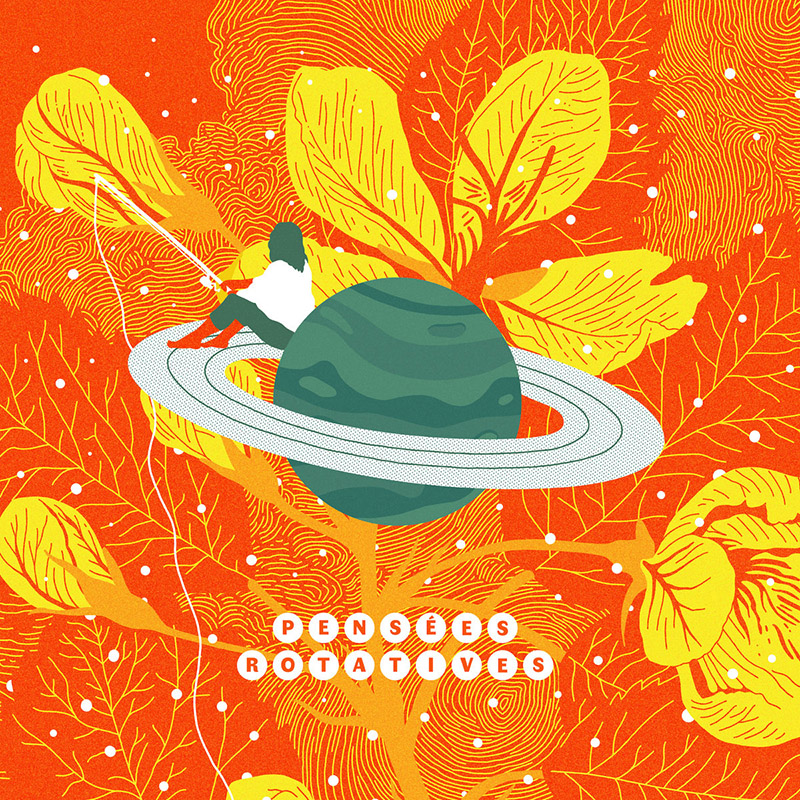
[et_pb_section fb_built= »1″ _builder_version= »4.9.4″ background_color= »#27657f » min_height= »407.7px » custom_padding= »68px||0px||| » global_colors_info= »{} »][et_pb_row make_equal= »on » custom_padding_last_edited= »on|phone » _builder_version= »4.9.4″ width= »60% » width_tablet= »90% » width_phone= »90% » width_last_edited= »on|phone » custom_margin= »||||false|false » custom_margin_tablet= » » custom_margin_phone= »0px||||false|false » custom_margin_last_edited= »on|phone » custom_padding_tablet= » » custom_padding_phone= »0px||||false|false » animation_style= »fade » global_colors_info= »{} »][et_pb_column type= »4_4″ _builder_version= »4.0.6″ global_colors_info= »{} »][et_pb_text content_last_edited= »off|desktop » _builder_version= »4.11.4″ text_text_color= »#ffffff » text_font_size= »50px » text_line_height= »1em » custom_padding= »30px||30px||true|false » global_colors_info= »{} »] THÉO GIRARD, Pensées Rotatives [/et_pb_text][et_pb_text _builder_version= »4.11.4″ text_font= »Roboto|100||||||| » text_text_color= »#ffffff » text_font_size= »28px » text_line_height= »1.2em » custom_margin= »9px||||| » custom_padding= »||2px||| » global_colors_info= »{} »] sortie le 5 novembre 2021 par Discobole Records [/et_pb_text][et_pb_divider color= »#ff7ad2″ divider_style= »dotted » divider_position= »center » _builder_version= »4.0.6″ custom_margin= »0px||13px||false|false » custom_padding= »0px||0px||true|true » global_colors_info= »{} »][/et_pb_divider][et_pb_post_title title= »off » date_format= »j M Y » comments= »off » featured_image= »off » _builder_version= »4.9.4″ _module_preset= »default » meta_font= »Roboto|100||||||| » meta_text_color= »#FFFFFF » global_colors_info= »{} »][/et_pb_post_title][/et_pb_column][/et_pb_row][/et_pb_section][et_pb_section fb_built= »1″ custom_padding_last_edited= »on|phone » _builder_version= »4.9.4″ background_color= »#FFFFFF » custom_margin= »||||false|false » custom_margin_tablet= » » custom_margin_phone= »||0px||false|false » custom_margin_last_edited= »on|phone » custom_padding= »||||false|false » custom_padding_tablet= » » custom_padding_phone= »||0px||false|false » global_colors_info= »{} »][et_pb_row column_structure= »3_5,2_5″ _builder_version= »4.9.4″ width= »60% » width_tablet= »90% » width_phone= »90% » width_last_edited= »on|phone » custom_padding= »||2px||| » global_colors_info= »{} »][et_pb_column type= »3_5″ _builder_version= »4.0.4″ global_colors_info= »{} »][et_pb_image src= »https://pointbreak.fr/wp-content/uploads/2021/10/TheoGirardPenseeRotatives.jpg » alt= »Pensées Rotatives de Théo Girard » title_text= »Pensées Rotatives de Théo Girard » _builder_version= »4.11.4″ _module_preset= »default » custom_margin= »||||false|false » animation_style= »fade » animation_direction= »left » animation_duration= »1450ms » border_color_all= »rgba(0,0,0,0.08) » box_shadow_style= »preset3″ box_shadow_vertical= »9px » global_colors_info= »{} »][/et_pb_image][et_pb_code _builder_version= »4.11.4″ _module_preset= »default » custom_margin= »4em||||false|false » global_colors_info= »{} »]Pensées Rotatives by Théo Girard[/et_pb_code][et_pb_text content_tablet= » ENGLISH / FRANÇAIS Seven times ya tongue, let it swirl in ya mouth. And the thoughts that go with it, too. Better, wiser, more reasonable. But the reason, Théo Girard seems to have any care if we judge with the tympanum. 12 blowers to encircle his nuclear trio, where Seb Rochford and Antoine Berjeaut play the pillars. All escaped from collective indociles, soloists used to the microton and faithful of the incendiary salvos of the big families of the sax-trumpet duo. That is to say 15 lads to encircle the assembly gathered in Coutances for this 2019 edition of Jazz Sous les Pommiers. 15 musicians to propel the Pensées Rotatives imagined by the double bass player. And the idea of machinery underpinned by the title of the project, moves forward, animated by a playful and confident internal movement. Nothing goes round, nothing goes in circles. These thoughts are inventive when it comes to diverting the principles set. Even the Rollercoaster doesn’t follow the tracks it has set. The principles are here to play. And to play together, with a French Jazz Squad who would have understood the usefulness of collective game and incessant passing. The tutti sono disarming of effectiveness and the individualities eat the ground when the implicit claims them. Le Chameau crosses his bridge sinuously with a jungle trumpet in its ear, Tom & Jerry worship a little on the flames of a tenor. And in the welcome rotation of these circles of thought in action, The Bosphorus embraces Ethiopia, Oliver Nelson stands on the shoulder of a carioca Mingus. A perfect concert document. Fiery and yet very clear. » content_phone= » ENGLISH / FRANÇAIS Seven times ya tongue, let it swirl in ya mouth. And the thoughts that go with it, too. Better, wiser, more reasonable. But the reason, Théo Girard seems to have any care if we judge with the tympanum. 12 blowers to encircle his nuclear trio, where Seb Rochford and Antoine Berjeaut play the pillars. All escaped from collective indociles, soloists used to the microton and faithful of the incendiary salvos of the big families of the sax-trumpet duo. That is to say 15 lads to encircle the assembly gathered in Coutances for this 2019 edition of Jazz Sous les Pommiers. 15 musicians to propel the Pensées Rotatives imagined by the double bass player. And the idea of machinery underpinned by the title of the project, moves forward, animated by a playful and confident internal movement. Nothing goes round, nothing goes in circles. These thoughts are inventive when it comes to diverting the principles set. Even the Rollercoaster doesn’t follow the tracks it has set. The principles are here to play. And to play together, with a French Jazz Squad who would have understood the usefulness of collective game and incessant passing. The tutti sono disarming of effectiveness and the individualities eat the ground when the implicit claims them. Le Chameau crosses his bridge sinuously with a jungle trumpet in its ear, Tom & Jerry worship a little on the flames of a tenor. And in the welcome rotation of these circles of thought in action, The Bosphorus embraces Ethiopia, Oliver Nelson stands on the shoulder of a carioca Mingus. A perfect concert document. Fiery and yet very clear. » content_last_edited= »on|phone » _builder_version= »4.11.4″ _module_preset= »default » text_text_color= »#000000″ text_font_size= »16px » custom_margin= »5%||||false|false » global_colors_info= »{} »] ENGLISH Seven times ya tongue, let it swirl in ya mouth. And the thoughts that go with it, too. Better, wiser, more reasonable. But the reason, Théo Girard seems to have any care if we judge with the tympanum. 12 blowers to encircle his nuclear trio, where Seb Rochford and Antoine Berjeaut play the pillars. All escaped from collective indociles, soloists used to the microton and faithful of the incendiary salvos of the big families of the sax-trumpet duo. That is to say 15 lads to encircle the assembly gathered in Coutances for this 2019 edition of Jazz Sous les Pommiers. 15 musicians to propel the Pensées Rotatives imagined by the double bass player. And the idea of machinery underpinned by the title of the project, moves forward, animated by a playful and confident internal movement. Nothing goes round, nothing goes in circles. These thoughts are inventive when it comes to diverting the principles set. Even the Rollercoaster doesn’t follow the tracks it has set. The principles are here to play. And to play together, with a French Jazz Squad who would have understood the usefulness of collective game and incessant passing. The tutti sono disarming of effectiveness and the individualities eat the ground when the implicit claims them. Le Chameau crosses his bridge sinuously with a jungle trumpet in its ear, Tom & Jerry worship a little on the flames of a tenor. And in the welcome rotation of these circles of thought in action, The Bosphorus embraces Ethiopia, Oliver Nelson stands on the shoulder of a carioca Mingus. A perfect concert document. Fiery and yet very clear. [/et_pb_text][/et_pb_column][et_pb_column type= »2_5″ _builder_version= »4.0.4″ global_colors_info= »{} »][et_pb_text _builder_version= »4.11.4″ _module_preset= »default » text_text_color= »#000000″ link_font= »Roboto|||||||| » link_text_color= »#ff6600″ hover_enabled= »0″ global_colors_info= »{} » sticky_enabled= »0″] Sept fois sa langue. À laisser tourner dans sa bouche. Et les pensées qui vont avec, aussi. Mieux, plus sage. Mais la sagesse, Théo Girard n’en a cure à en juger au tympan. 12 soufflants pour encercler son trio nucléaire, où
Nuages, chronique

[et_pb_section fb_built= »1″ _builder_version= »4.9.4″ background_color= »#27657f » min_height= »407.7px » custom_padding= »68px||0px||| » global_colors_info= »{} »][et_pb_row make_equal= »on » custom_padding_last_edited= »on|phone » _builder_version= »4.9.4″ width= »60% » width_tablet= »90% » width_phone= »90% » width_last_edited= »on|phone » custom_margin= »||||false|false » custom_margin_tablet= » » custom_margin_phone= »0px||||false|false » custom_margin_last_edited= »on|phone » custom_padding_tablet= » » custom_padding_phone= »0px||||false|false » animation_style= »fade » global_colors_info= »{} »][et_pb_column type= »4_4″ _builder_version= »4.0.6″ global_colors_info= »{} »][et_pb_text content_last_edited= »off|desktop » _builder_version= »4.11.3″ text_text_color= »#ffffff » text_font_size= »50px » text_line_height= »1em » custom_padding= »30px||30px||true|false » global_colors_info= »{} »] SOPICO, Nuages [/et_pb_text][et_pb_text _builder_version= »4.11.3″ text_font= »Roboto|100||||||| » text_text_color= »#ffffff » text_font_size= »28px » text_line_height= »1.2em » custom_margin= »9px||||| » custom_padding= »||2px||| » global_colors_info= »{} »] sorti le 14 octobre 2021 chez Polydor [/et_pb_text][et_pb_divider color= »#ff7ad2″ divider_style= »dotted » divider_position= »center » _builder_version= »4.0.6″ custom_margin= »0px||13px||false|false » custom_padding= »0px||0px||true|true » global_colors_info= »{} »][/et_pb_divider][et_pb_post_title title= »off » date_format= »j M Y » comments= »off » featured_image= »off » _builder_version= »4.9.4″ _module_preset= »default » meta_font= »Roboto|100||||||| » meta_text_color= »#FFFFFF » global_colors_info= »{} »][/et_pb_post_title][/et_pb_column][/et_pb_row][/et_pb_section][et_pb_section fb_built= »1″ custom_padding_last_edited= »on|phone » _builder_version= »4.9.4″ background_color= »#FFFFFF » custom_margin= »||||false|false » custom_margin_tablet= » » custom_margin_phone= »||0px||false|false » custom_margin_last_edited= »on|phone » custom_padding= »||||false|false » custom_padding_tablet= » » custom_padding_phone= »||0px||false|false » global_colors_info= »{} »][et_pb_row column_structure= »3_5,2_5″ _builder_version= »4.9.4″ width= »60% » width_tablet= »90% » width_phone= »90% » width_last_edited= »on|phone » custom_padding= »||2px||| » global_colors_info= »{} »][et_pb_column type= »3_5″ _builder_version= »4.0.4″ global_colors_info= »{} »][et_pb_image src= »https://pointbreak.fr/wp-content/uploads/2021/10/SOPICO_SLIDE-800X800.jpg » alt= »Nuages de Sopico » title_text= »Nuages de Sopico » _builder_version= »4.11.3″ _module_preset= »default » custom_margin= »||||false|false » animation_style= »fade » animation_direction= »left » animation_duration= »1450ms » border_color_all= »rgba(0,0,0,0.08) » box_shadow_style= »preset3″ box_shadow_vertical= »9px » global_colors_info= »{} »][/et_pb_image][et_pb_audio audio= »https://pointbreak.fr/wp-content/uploads/2021/10/Sopico-Slide-Clip-Officiel.mp3″ title= »Slide » artist_name= »Sopico » album_name= »Nuages » _builder_version= »4.11.3″ _module_preset= »default » custom_margin= »7%||||false|false » global_colors_info= »{} »][/et_pb_audio][et_pb_text content_tablet= » ENGLISH / FRANÇAIS High pressure, weak coverage. Sopico releases his first album, Nuages. After several projects, notably with the 75ème session, here between rock and rap, So’ talks about %22the fusion of Nirvana and Wu-Tang%22. Not bad indeed. 10 tracks, 3 interludes, 0 feats. As hot to strum lyrics as his guitar, Sopico raps, sings, kicks on his own compositions. A full guitar-vocal project. The touching texts are tinged with melancholy without ever falling into sadness. Acoustic guitar, calm melody on Le Papier. Or a storm of electric guitar in Slide. In echo to his roots, it is the track Hier where we find his Kabyle origins. His dad plays the mandolin, his mom invites herself, a little later, on the interlude .appel manqué. Further on, the delicate voice that one would recognize between thousand comes to caress on Nuage. Sopico plays with the tonalities, the piano accompanies softly, the voice sings in the background. Everything goes well for the Parisian rapper. He approaches the simple things, the typical life of a young artist, a guy well surrounded, a guy who tells his life. A life halfway between the Seine-Saint-Denis and the 18th in Paname. Without artifice, naked, it is full of emotions. Nuages is also a lot of love. There is always a moment when the question of relationships arises. As much the torments as the joys induced. Nuage floats like a complete and well put together project, a project that confirms that Sopico has his place in the game of Rap FR. Well done. » content_phone= » ENGLISH / FRANÇAIS High pressure, weak coverage. Sopico releases his first album, Nuages. After several projects, notably with the 75ème session, here between rock and rap, So’ talks about %22the fusion of Nirvana and Wu-Tang%22. Not bad indeed. 10 tracks, 3 interludes, 0 feats. As hot to strum lyrics as his guitar, Sopico raps, sings, kicks on his own compositions. A full guitar-vocal project. The touching texts are tinged with melancholy without ever falling into sadness. Acoustic guitar, calm melody on Le Papier. Or a storm of electric guitar in Slide. In echo to his roots, it is the track Hier where we find his Kabyle origins. His dad plays the mandolin, his mom invites herself, a little later, on the interlude .appel manqué. Further on, the delicate voice that one would recognize between thousand comes to caress on Nuage. Sopico plays with the tonalities, the piano accompanies softly, the voice sings in the background. Everything goes well for the Parisian rapper. He approaches the simple things, the typical life of a young artist, a guy well surrounded, a guy who tells his life. A life halfway between the Seine-Saint-Denis and the 18th in Paname. Without artifice, naked, it is full of emotions. Nuages is also a lot of love. There is always a moment when the question of relationships arises. As much the torments as the joys induced. Nuage floats like a complete and well put together project, a project that confirms that Sopico has his place in the game of Rap FR. Well done. » content_last_edited= »on|phone » _builder_version= »4.11.3″ _module_preset= »default » text_text_color= »#000000″ text_font_size= »16px » custom_margin= »5%||||false|false » global_colors_info= »{} »] ENGLISH High pressure, weak coverage. Sopico releases his first album, Nuages. After several projects, notably with the 75ème session, here between rock and rap, So’ talks about « the fusion of Nirvana and Wu-Tang ». Not bad indeed. 10 tracks, 3 interludes, 0 feats. As hot to strum lyrics as his guitar, Sopico raps, sings, kicks on his own compositions. A full guitar-vocal project. The touching texts are tinged with melancholy without ever falling into sadness. Acoustic guitar, calm melody on Le Papier. Or a storm of electric guitar in Slide. In echo to his roots, it is the track Hier where we find his Kabyle origins. His dad plays the mandolin, his mom invites herself, a little later, on the interlude .appel manqué. Further on, the delicate voice that one would recognize between thousand comes to caress on Nuage. Sopico plays with the tonalities, the piano accompanies softly, the voice sings in the background. Everything goes well for the Parisian rapper. He approaches the simple things, the typical life of a young artist, a guy well surrounded, a guy who tells his life. A life halfway between the Seine-Saint-Denis and the 18th in Paname. Without artifice, naked, it is full of emotions. Nuages is also a lot of love. There is always a moment when the question of relationships arises. As much the torments as the joys induced. Nuage floats like a complete and well put together project, a project that confirms that Sopico has his place in the game of Rap FR. Well done. [/et_pb_text][/et_pb_column][et_pb_column type= »2_5″ _builder_version= »4.0.4″ global_colors_info= »{} »][et_pb_text _builder_version= »4.11.3″ _module_preset= »default » text_text_color= »#000000″ link_font= »Roboto|||||||| » link_text_color= »#ff6600″ global_colors_info= »{} »] Anticyclone annoncé. Faible couverture. Sopico déboule avec un premier album, Nuages. Après plusieurs projets, notamment avec la 75e session, entre rock et rap, ça parle de « la fusion d’Nirvana et Wu-Tang ». Pas mal. 10 morceaux, 3 interludes, 0 feats. Mais le gars Yodelice en co-prod’. Jain et Johnny, sur le CV, pas pas rap, mais carré du son. Aussi chaud pour gratter des textes que sa guitare, Sopico rappe, chante, kicke sur ses propres compositions. Un projet full guitare-voix. Les textes touchants sont teintés de mélancolie sans jamais tomber dans la tristesse. Guitare acoustique, mélodie
Skin, chronique

[et_pb_section fb_built= »1″ _builder_version= »4.9.4″ background_color= »#27657f » min_height= »407.7px » custom_padding= »68px||0px||| » global_colors_info= »{} »][et_pb_row make_equal= »on » custom_padding_last_edited= »on|phone » _builder_version= »4.9.4″ width= »60% » width_tablet= »90% » width_phone= »90% » width_last_edited= »on|phone » custom_margin= »||||false|false » custom_margin_tablet= » » custom_margin_phone= »0px||||false|false » custom_margin_last_edited= »on|phone » custom_padding_tablet= » » custom_padding_phone= »0px||||false|false » animation_style= »fade » global_colors_info= »{} »][et_pb_column type= »4_4″ _builder_version= »4.0.6″ global_colors_info= »{} »][et_pb_text content_last_edited= »off|desktop » _builder_version= »4.11.3″ text_text_color= »#ffffff » text_font_size= »50px » text_line_height= »1em » custom_padding= »30px||30px||true|false » global_colors_info= »{} »] JOY CROOKES, Skin [/et_pb_text][et_pb_text _builder_version= »4.11.3″ text_font= »Roboto|100||||||| » text_text_color= »#ffffff » text_font_size= »28px » text_line_height= »1.2em » custom_margin= »9px||||| » custom_padding= »||2px||| » global_colors_info= »{} »] sorti le 15 octobre 2021 chez Insanity Records [/et_pb_text][et_pb_divider color= »#ff7ad2″ divider_style= »dotted » divider_position= »center » _builder_version= »4.0.6″ custom_margin= »0px||13px||false|false » custom_padding= »0px||0px||true|true » global_colors_info= »{} »][/et_pb_divider][et_pb_post_title title= »off » date_format= »j M Y » comments= »off » featured_image= »off » _builder_version= »4.9.4″ _module_preset= »default » meta_font= »Roboto|100||||||| » meta_text_color= »#FFFFFF » global_colors_info= »{} »][/et_pb_post_title][/et_pb_column][/et_pb_row][/et_pb_section][et_pb_section fb_built= »1″ custom_padding_last_edited= »on|phone » _builder_version= »4.9.4″ background_color= »#FFFFFF » custom_margin= »||||false|false » custom_margin_tablet= » » custom_margin_phone= »||0px||false|false » custom_margin_last_edited= »on|phone » custom_padding= »||||false|false » custom_padding_tablet= » » custom_padding_phone= »||0px||false|false » global_colors_info= »{} »][et_pb_row column_structure= »3_5,2_5″ _builder_version= »4.9.4″ width= »60% » width_tablet= »90% » width_phone= »90% » width_last_edited= »on|phone » custom_padding= »||2px||| » global_colors_info= »{} »][et_pb_column type= »3_5″ _builder_version= »4.0.4″ global_colors_info= »{} »][et_pb_image src= »https://pointbreak.fr/wp-content/uploads/2021/10/JOYCROOKES_SKIN-800X800.jpg » alt= »Skin de Joy Crookes » title_text= »Skin de Joy Crookes » _builder_version= »4.11.3″ _module_preset= »default » custom_margin= »||||false|false » animation_style= »fade » animation_direction= »left » animation_duration= »1450ms » border_color_all= »rgba(0,0,0,0.08) » box_shadow_style= »preset3″ box_shadow_vertical= »9px » global_colors_info= »{} » admin_label= »Image »][/et_pb_image][et_pb_code _builder_version= »4.11.3″ _module_preset= »default » custom_margin= »4em||||false|false » hover_enabled= »0″ global_colors_info= »{} » admin_label= »Code » sticky_enabled= »0″]Skin by Joy Crookes[/et_pb_code][et_pb_text content_tablet= » ENGLISH / FRANÇAIS Okay, let’s see. An album. A really nice cover. A Londoner of Irish and Bangladeshi origin, author and composer. A crazy voice. Some catchy instrus and others much softer. That’s it, Skin. First album of Joy Crookes. Several EPs were released before that, but here that’s different. 13 tracks. 13 nuggets that penetrate the skin like an exquisite poison. The most amazing thing is that each sound has its own particularity. Its own way to shine. But gathered, quite a different story. No joke, right here. A union as perfect as the links of a chain. The most fascinating thing about Joy Crookes is her voice. A voice that sounds like Winehouse or Billie Holiday, like in Poison. Mind-blowing. The track is soft and has a completely heady chorus. Unlearn You is something else. The notes sound like whispers. Nostalgic and cleverly sad. It gives you goosebumps. Really. Wild jasmine is the sound that devours and hypnotizes with a repetitive chorus. Power, released in 2017 has all its place in this album of 2021. A committed sound. In every way. Intersectional feminism. Black lives matter. Right lyrics. Hard-hitting. And damn, it’s chilling. A true ode to taking back your power as a woman. It feels good. Just one more thing, %22Show some fucking respect%22. » content_phone= » ENGLISH / FRANÇAIS Okay, let’s see. An album. A really nice cover. A Londoner of Irish and Bangladeshi origin, author and composer. A crazy voice. Some catchy instrus and others much softer. That’s it, Skin. First album of Joy Crookes. Several EPs were released before that, but here that’s different. 13 tracks. 13 nuggets that penetrate the skin like an exquisite poison. The most amazing thing is that each sound has its own particularity. Its own way to shine. But gathered, quite a different story. No joke, right here. A union as perfect as the links of a chain. The most fascinating thing about Joy Crookes is her voice. A voice that sounds like Winehouse or Billie Holiday, like in Poison. Mind-blowing. The track is soft and has a completely heady chorus. Unlearn You is something else. The notes sound like whispers. Nostalgic and cleverly sad. It gives you goosebumps. Really. Wild jasmine is the sound that devours and hypnotizes with a repetitive chorus. Power, released in 2017 has all its place in this album of 2021. A committed sound. In every way. Intersectional feminism. Black lives matter. Right lyrics. Hard-hitting. And damn, it’s chilling. A true ode to taking back your power as a woman. It feels good. Just one more thing, %22Show some fucking respect%22. » content_last_edited= »on|phone » _builder_version= »4.11.3″ _module_preset= »default » text_text_color= »#000000″ text_font_size= »16px » custom_margin= »5%||||false|false » global_colors_info= »{} »] ENGLISH Okay, let’s see. An album. A really nice cover. A Londoner of Irish and Bangladeshi origin, author and composer. A crazy voice. Some catchy instrus and others much softer. That’s it, Skin. First album of Joy Crookes. Several EPs were released before that, but here that’s different. 13 tracks. 13 nuggets that penetrate the skin like an exquisite poison. The most amazing thing is that each sound has its own particularity. Its own way to shine. But gathered, quite a different story. No joke, right here. A union as perfect as the links of a chain. The most fascinating thing about Joy Crookes is her voice. A voice that sounds like Winehouse or Billie Holiday, like in Poison. Mind-blowing. The track is soft and has a completely heady chorus. Unlearn You is something else. The notes sound like whispers. Nostalgic and cleverly sad. It gives you goosebumps. Really. Wild jasmine is the sound that devours and hypnotizes with a repetitive chorus. Power, released in 2017 has all its place in this album of 2021. A committed sound. In every way. Intersectional feminism. Black lives matter. Right lyrics. Hard-hitting. And damn, it’s chilling. A true ode to taking back your power as a woman. It feels good. Just one more thing, « Show some fucking respect ». [/et_pb_text][/et_pb_column][et_pb_column type= »2_5″ _builder_version= »4.0.4″ global_colors_info= »{} »][et_pb_text _builder_version= »4.11.3″ _module_preset= »default » text_text_color= »#000000″ link_font= »Roboto|||||||| » link_text_color= »#ff6600″ global_colors_info= »{} »] Okay, let’s see. Un album. Une pochette vraiment pas dégueu. Une londonienne d’origine irlandaise et bangladeshie, autrice et compositrice. Une voix de tarée. Des instrus entraînantes et d’autres beaucoup plus soft. C’est ça, Skin. Premier album de Joy Crookes. Plusieurs EP avaient vu le jour avant ça, mais là. It’s different. 13 morceaux. 13 pépites qui pénètrent dans la peau comme un poison exquis. Le plus étonnant, c’est que chaque son à sa particularité. Sa propre façon de briller. Mais ensemble, c’est un autre délire. No joke, right here. Une union aussi parfaite que les maillons d’une chaîne. Le plus fascinant avec Joy Crookes, c’est sa voix. Une voix qui a des sonorités à la Winehouse ou à la Billie Holiday, comme dans Poison. Hallucinant. La track est douce et possède un refrain complètement entêtant. Unlearn You, c’est autre chose. Les notes sonnent comme des chuchotements. Nostalgique et ingénieusement triste. Ça donne la chair de poule. Vraiment. Wild jasmine c’est le son qui dévore et qui hypnotise avec un refrain répétitif. Power, sortie en 2017 a toute sa place dans cet album de 2021. Un son engagé. En tout point. Féminisme intersectionnel. Black lives matter. Des lyrics justes. Percutantes. Et merde, ça donne des frissons.
Minirose, chronique
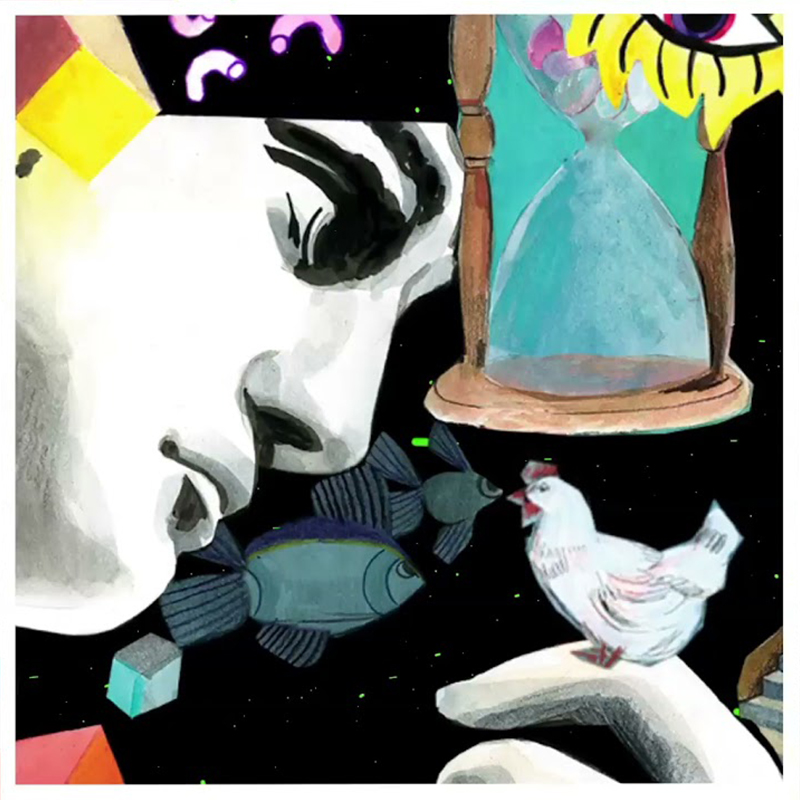
[et_pb_section fb_built= »1″ _builder_version= »4.9.4″ background_color= »#27657f » min_height= »407.7px » custom_padding= »68px||0px||| » global_colors_info= »{} »][et_pb_row make_equal= »on » custom_padding_last_edited= »on|phone » _builder_version= »4.9.4″ width= »60% » width_tablet= »90% » width_phone= »90% » width_last_edited= »on|phone » custom_margin= »||||false|false » custom_margin_tablet= » » custom_margin_phone= »0px||||false|false » custom_margin_last_edited= »on|phone » custom_padding_tablet= » » custom_padding_phone= »0px||||false|false » animation_style= »fade » global_colors_info= »{} »][et_pb_column type= »4_4″ _builder_version= »4.0.6″ global_colors_info= »{} »][et_pb_text content_last_edited= »off|desktop » _builder_version= »4.11.3″ text_text_color= »#ffffff » text_font_size= »50px » text_line_height= »1em » custom_padding= »30px||30px||true|false » global_colors_info= »{} »] CHLORINE FREE, Minirose [/et_pb_text][et_pb_text _builder_version= »4.11.3″ text_font= »Roboto|100||||||| » text_text_color= »#ffffff » text_font_size= »28px » text_line_height= »1.2em » custom_margin= »9px||||| » custom_padding= »||2px||| » global_colors_info= »{} »] sorti le 15 octobre 2021 chez Seventy Three [/et_pb_text][et_pb_divider color= »#ff7ad2″ divider_style= »dotted » divider_position= »center » _builder_version= »4.0.6″ custom_margin= »0px||13px||false|false » custom_padding= »0px||0px||true|true » global_colors_info= »{} »][/et_pb_divider][et_pb_post_title title= »off » date_format= »j M Y » comments= »off » featured_image= »off » _builder_version= »4.9.4″ _module_preset= »default » meta_font= »Roboto|100||||||| » meta_text_color= »#FFFFFF » global_colors_info= »{} »][/et_pb_post_title][/et_pb_column][/et_pb_row][/et_pb_section][et_pb_section fb_built= »1″ custom_padding_last_edited= »on|phone » _builder_version= »4.9.4″ background_color= »#FFFFFF » custom_margin= »||||false|false » custom_margin_tablet= » » custom_margin_phone= »||0px||false|false » custom_margin_last_edited= »on|phone » custom_padding= »||||false|false » custom_padding_tablet= » » custom_padding_phone= »||0px||false|false » global_colors_info= »{} »][et_pb_row column_structure= »3_5,2_5″ _builder_version= »4.9.4″ width= »60% » width_tablet= »90% » width_phone= »90% » width_last_edited= »on|phone » custom_padding= »||2px||| » global_colors_info= »{} »][et_pb_column type= »3_5″ _builder_version= »4.0.4″ global_colors_info= »{} »][et_pb_image src= »https://pointbreak.fr/wp-content/uploads/2021/10/CHLORINEFREE_MINIROSE-800X800.jpg » alt= »Chlorine Free / Minirose » title_text= »Chlorine Free / Minirose » _builder_version= »4.11.3″ _module_preset= »default » custom_margin= »||||false|false » animation_style= »fade » animation_direction= »left » animation_duration= »1450ms » border_color_all= »rgba(0,0,0,0.08) » box_shadow_style= »preset3″ box_shadow_vertical= »9px » global_colors_info= »{} »][/et_pb_image][et_pb_code _builder_version= »4.11.3″ _module_preset= »default » hover_enabled= »0″ sticky_enabled= »0″ custom_margin= »4em||||false|false »]Minirose by Chlorine Free[/et_pb_code][et_pb_text content_tablet= » ENGLISH / FRANÇAIS Simple. What to do after Free Speech‘s vocal shots, then revived in the window of the Hip Hop Boutique? Simple. Speech is fried, let the Minirose sauce heat up. Burn, baby, burn. And here, between the absence of voice and the eclipse of political imprecations, Chlorine Free, finds another way. Back to a music record. Minirose sounds more jazz in its developments, remains squarely screwed to the groove in its foundations and always plays the basin with the scratch and the naughty basses. Or more if affinities. The one of Alexander Slavinov imposes itself as a stakhano of the body to body, the one of Dr Fitzer as a slouching and serpentine Venus. It is pretty. But not only. The gassers know how to suckle the skunk juice. Minicocotte, beyond being an efficient funk nugget, puts in the ear from the start a jazz like the flutist Harold Alexander practiced. Harsh, frisky and a bit violent. This Minicocotte sounds like the French cousin of his Mama Soul. The singing mixed with Yann Cléry’s playing brings the exciting roughness of a beginning of a not less electrifying record. This Minirose takes its time to grow and create its internal network. The roundness of Drum Jaune or the light bluesy concern of Max’s Idea complete the small pleasures of chic geeks that are the tracks in rupture, Brutal RX or Je t’attendrai. For a long time? The time it will take to go around a damn rich record. » content_phone= » ENGLISH / FRANÇAIS Simple. What to do after Free Speech‘s vocal shots, then revived in the window of the Hip Hop Boutique? Simple. Speech is fried, let the Minirose sauce heat up. Burn, baby, burn. And here, between the absence of voice and the eclipse of political imprecations, Chlorine Free, finds another way. Back to a music record. Minirose sounds more jazz in its developments, remains squarely screwed to the groove in its foundations and always plays the basin with the scratch and the naughty basses. Or more if affinities. The one of Alexander Slavinov imposes itself as a stakhano of the body to body, the one of Dr Fitzer as a slouching and serpentine Venus. It is pretty. But not only. The gassers know how to suckle the skunk juice. Minicocotte, beyond being an efficient funk nugget, puts in the ear from the start a jazz like the flutist Harold Alexander practiced. Harsh, frisky and a bit violent. This Minicocotte sounds like the French cousin of his Mama Soul. The singing mixed with Yann Cléry’s playing brings the exciting roughness of a beginning of a not less electrifying record. This Minirose takes its time to grow and create its internal network. The roundness of Drum Jaune or the light bluesy concern of Max’s Idea complete the small pleasures of chic geeks that are the tracks in rupture, Brutal RX or Je t’attendrai. For a long time? The time it will take to go around a damn rich record. » content_last_edited= »on|phone » _builder_version= »4.11.3″ _module_preset= »default » text_text_color= »#000000″ text_font_size= »16px » custom_margin= »5%||||false|false » hover_enabled= »0″ global_colors_info= »{} » sticky_enabled= »0″] ENGLISH Simple. What to do after Free Speech‘s vocal shots, then revived in the window of the Hip Hop Boutique? Simple. Speech is fried, let the Minirose sauce heat up. Burn, baby, burn. And here, between the absence of voice and the eclipse of political imprecations, Chlorine Free, finds another way. Back to a music record. Minirose sounds more jazz in its developments, remains squarely screwed to the groove in its foundations and always plays the basin with the scratch and the naughty basses. Or more if affinities. The one of Alexander Slavinov imposes itself as a stakhano of the body to body, the one of Dr Fitzer as a slouching and serpentine Venus. It is pretty. But not only. The gassers know how to suckle the skunk juice. Minicocotte, beyond being an efficient funk nugget, puts in the ear from the start a jazz like the flutist Harold Alexander practiced. Harsh, frisky and a bit violent. This Minicocotte sounds like the French cousin of his Mama Soul. The singing mixed with Yann Cléry’s playing brings the exciting roughness of a beginning of a not less electrifying record. This Minirose takes its time to grow and create its internal network. The roundness of Drum Jaune or the light bluesy concern of Max’s Idea complete the small pleasures of chic geeks that are the tracks in rupture, Brutal RX or Je t’attendrai. For a long time? The time it will take to go around a damn rich record. [/et_pb_text][/et_pb_column][et_pb_column type= »2_5″ _builder_version= »4.0.4″ global_colors_info= »{} »][et_pb_text _builder_version= »4.11.3″ _module_preset= »default » text_text_color= »#000000″ link_font= »Roboto|||||||| » link_text_color= »#ff6600″ hover_enabled= »0″ global_colors_info= »{} » sticky_enabled= »0″] Simple. Que faire après les shots vocaux de Free Speech, puis ranimés en vitrine de la Hip Hop Boutique ? Simple. Le speech est frit, laisse chauffer la sauce de Minirose. Burn, baby, burn. Et ici, entre l’absence de voix et l’éclipse des imprécations politiques, Chlorine Free, se fraie encore un autre chemin. Retour à un disque de musique. Minirose sonne plus jazz dans ses développements, reste carrément vissé au groove dans ses fondations et joue toujours du bassin avec le scratch et les basses coquines. Ou plus si affinités. Celle d’Alexander Slavinov s’impose comme une stakhano du corps à corps, celle du Dr Fitzer comme une Vénus
Egyptian Jazz, chronique
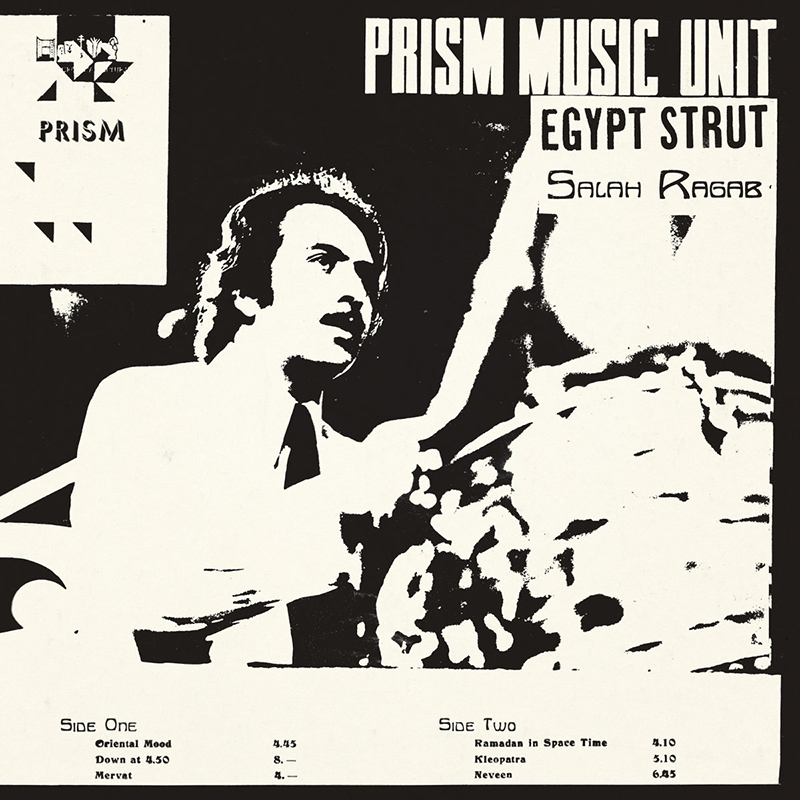
[et_pb_section fb_built= »1″ _builder_version= »4.9.4″ background_color= »#27657f » min_height= »407.7px » custom_padding= »68px||0px||| » global_colors_info= »{} »][et_pb_row make_equal= »on » custom_padding_last_edited= »on|phone » _builder_version= »4.9.4″ width= »60% » width_tablet= »90% » width_phone= »90% » width_last_edited= »on|phone » custom_margin= »||||false|false » custom_margin_tablet= » » custom_margin_phone= »0px||||false|false » custom_margin_last_edited= »on|phone » custom_padding_tablet= » » custom_padding_phone= »0px||||false|false » animation_style= »fade » global_colors_info= »{} »][et_pb_column type= »4_4″ _builder_version= »4.0.6″ global_colors_info= »{} »][et_pb_text content_last_edited= »off|desktop » _builder_version= »4.11.2″ text_text_color= »#ffffff » text_font_size= »50px » text_line_height= »1em » custom_padding= »30px||30px||true|false » global_colors_info= »{} »] SALAH RAGAB and THE CAIRO JAZZ BAND, Egyptian Jazz [/et_pb_text][et_pb_text _builder_version= »4.11.2″ text_font= »Roboto|100||||||| » text_text_color= »#ffffff » text_font_size= »28px » text_line_height= »1.2em » custom_margin= »9px||||| » custom_padding= »||2px||| » global_colors_info= »{} »] réédition RSD le 12 juin 2021 par Strut Records [/et_pb_text][et_pb_divider color= »#ff7ad2″ divider_style= »dotted » divider_position= »center » _builder_version= »4.0.6″ custom_margin= »0px||13px||false|false » custom_padding= »0px||0px||true|true » global_colors_info= »{} »][/et_pb_divider][et_pb_post_title title= »off » date_format= »j M Y » comments= »off » featured_image= »off » _builder_version= »4.9.4″ _module_preset= »default » meta_font= »Roboto|100||||||| » meta_text_color= »#FFFFFF » global_colors_info= »{} »][/et_pb_post_title][/et_pb_column][/et_pb_row][/et_pb_section][et_pb_section fb_built= »1″ custom_padding_last_edited= »on|phone » _builder_version= »4.9.4″ background_color= »#FFFFFF » custom_margin= »||||false|false » custom_margin_tablet= » » custom_margin_phone= »||0px||false|false » custom_margin_last_edited= »on|phone » custom_padding= »||||false|false » custom_padding_tablet= » » custom_padding_phone= »||0px||false|false » global_colors_info= »{} »][et_pb_row column_structure= »3_5,2_5″ _builder_version= »4.9.4″ width= »60% » width_tablet= »90% » width_phone= »90% » width_last_edited= »on|phone » custom_padding= »||2px||| » global_colors_info= »{} »][et_pb_column type= »3_5″ _builder_version= »4.0.4″ global_colors_info= »{} »][et_pb_image src= »https://pointbreak.fr/wp-content/uploads/2021/10/a1813547020_10.jpg » alt= »Salah Ragab / Egyptian Jazz » title_text= »Salah Ragab / Egyptian Jazz » _builder_version= »4.11.2″ _module_preset= »default » custom_margin= »||||false|false » animation_style= »fade » animation_direction= »left » animation_duration= »1450ms » border_color_all= »rgba(0,0,0,0.08) » box_shadow_style= »preset3″ box_shadow_vertical= »9px » global_colors_info= »{} »][/et_pb_image][et_pb_code _builder_version= »4.11.2″ _module_preset= »default » global_colors_info= »{} »]Egyptian Jazz by Salah Ragab and The Cairo Jazz Band[/et_pb_code][et_pb_text content_tablet= » ENGLISH / FRANÇAIS We know the Cassius Clay who became Muhammad Ali, we heard the Dollar Brand who became Abdullah Ibrahim. The African-American culture of the sixties, in its reconquest of rights, thoughts and unity, plunged both hands into the earth of Mother Africa, rediscovered the nations, the philosophies, the music. We have heard the Art Ensemble of Chicago and Sun Ra, among other black powers. But we are not used to the opposite movement. How the regions of North Africa and the Arab world received the black-American finds. At the end of the sixties, Yusef Lateef recorded in New York, and in Cairo, Salah Ragab led the Cairo Jazz Band. Perfect time. Ragab is the initiator of jazz in Egypt, confronting traditional instruments and jazz blowers, Western piano and North African percussion. This record, a sort of complete collection of works by Salah Ragab and the Cairo Jazz Band, shows that Chicago could have spoken Arabic and that Cairo knew nothing of the frenzy planted on the ground by Duke. Neveen jolts like the artists of Prestige, Egypt Strut, the hit of this album, does not return anything to the disco of Sun Ra, with whom Salah Ragab was able to tour in Europe in 1984. The rest of the two discs only accept an oxymoron. Splendid secret. » content_phone= » ENGLISH / FRANÇAIS We know the Cassius Clay who became Muhammad Ali, we heard the Dollar Brand who became Abdullah Ibrahim. The African-American culture of the sixties, in its reconquest of rights, thoughts and unity, plunged both hands into the earth of Mother Africa, rediscovered the nations, the philosophies, the music. We have heard the Art Ensemble of Chicago and Sun Ra, among other black powers. But we are not used to the opposite movement. How the regions of North Africa and the Arab world received the black-American finds. At the end of the sixties, Yusef Lateef recorded in New York, and in Cairo, Salah Ragab led the Cairo Jazz Band. Perfect time. Ragab is the initiator of jazz in Egypt, confronting traditional instruments and jazz blowers, Western piano and North African percussion. This record, a sort of complete collection of works by Salah Ragab and the Cairo Jazz Band, shows that Chicago could have spoken Arabic and that Cairo knew nothing of the frenzy planted on the ground by Duke. Neveen jolts like the artists of Prestige, Egypt Strut, the hit of this album, does not return anything to the disco of Sun Ra, with whom Salah Ragab was able to tour in Europe in 1984. The rest of the two discs only accept an oxymoron. Splendid secret. » content_last_edited= »on|phone » _builder_version= »4.11.2″ _module_preset= »default » text_text_color= »#000000″ text_font_size= »16px » custom_margin= »5%||||false|false » hover_enabled= »0″ global_colors_info= »{} » sticky_enabled= »0″] ENGLISH We know the Cassius Clay who became Muhammad Ali, we heard the Dollar Brand who became Abdullah Ibrahim. The African-American culture of the sixties, in its reconquest of rights, thoughts and unity, plunged both hands into the earth of Mother Africa, rediscovered the nations, the philosophies, the music. We have heard the Art Ensemble of Chicago and Sun Ra, among other black powers. But we are not used to the opposite movement. How the regions of North Africa and the Arab world received the black-American finds. At the end of the sixties, Yusef Lateef recorded in New York, and in Cairo, Salah Ragab led the Cairo Jazz Band. Perfect time. Ragab is the initiator of jazz in Egypt, confronting traditional instruments and jazz blowers, Western piano and North African percussion. This record, a sort of complete collection of works by Salah Ragab and the Cairo Jazz Band, shows that Chicago could have spoken Arabic and that Cairo knew nothing of the frenzy planted on the ground by Duke. Neveen jolts like the artists of Prestige, Egypt Strut, the hit of this album, does not return anything to the disco of Sun Ra, with whom Salah Ragab was able to tour in Europe in 1984. The rest of the two discs only accept an oxymoron. Splendid secret. [/et_pb_text][/et_pb_column][et_pb_column type= »2_5″ _builder_version= »4.0.4″ global_colors_info= »{} »][et_pb_text _builder_version= »4.11.2″ _module_preset= »default » text_text_color= »#000000″ link_font= »Roboto|||||||| » link_text_color= »#ff6600″ global_colors_info= »{} »] On connaît les Cassius Clay devenu Muhammad Ali, on a croisé les Dollar Brand devenu Abdullah Ibrahim. La culture Africaine-américaine des sixties, dans sa reconquête de droits, de pensées et d’une unité a replonger les deux mains dans la terre de la Mother Africa, redécouvert les nations, les philos, les musiques. On a entendu l’Art Ensemble Of Chicago et Sun Ra, entre autres puissances noires. Mais on a peu l’habitude du mouvement inverse. Comment les régions d’Afrique du Nord et du monde arabe ont reçu les trouvailles noires-américaines. Fin des années soixante, Yusef Lateef enregistre à New York, et au Caire, Salah Ragab pilote le Cairo Jazz Band. Parfaite époque. Ragab est l’initiateur du jazz en Egypte, confronte instrus traditionnels et soufflants jazz, piano occidental et percussions nord-africaines. Ce disque, sorte de collec’ complète des œuvres de Salah Ragab et du Cairo Jazz Band, montre que Chicago aurait pu parler arabe et que Le Caire n’ignorait rien de la frénésie plantée sur le sol par Duke. Neveen soubresaute comme les artiste de chez Prestige, Egypte Strut, tube de l’album, ne rend rien à la disco de Sun
Dixie Fever, chronique
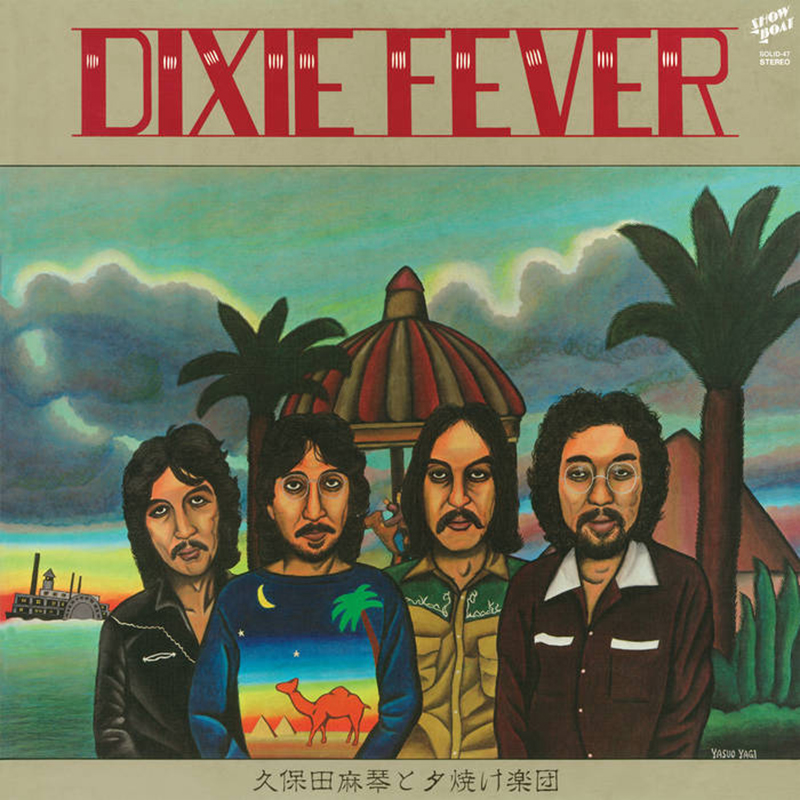
[et_pb_section fb_built= »1″ _builder_version= »4.9.4″ background_color= »#27657f » min_height= »407.7px » custom_padding= »68px||0px||| » global_colors_info= »{} »][et_pb_row make_equal= »on » custom_padding_last_edited= »on|phone » _builder_version= »4.9.4″ width= »60% » width_tablet= »90% » width_phone= »90% » width_last_edited= »on|phone » custom_margin= »||||false|false » custom_margin_tablet= » » custom_margin_phone= »0px||||false|false » custom_margin_last_edited= »on|phone » custom_padding_tablet= » » custom_padding_phone= »0px||||false|false » animation_style= »fade » global_colors_info= »{} »][et_pb_column type= »4_4″ _builder_version= »4.0.6″ global_colors_info= »{} »][et_pb_text content_last_edited= »off|desktop » _builder_version= »4.11.2″ text_text_color= »#ffffff » text_font_size= »50px » text_line_height= »1em » custom_padding= »30px||30px||true|false » global_colors_info= »{} »] MAKOTO KUBOTA, Dixie Fever [/et_pb_text][et_pb_text _builder_version= »4.11.2″ text_font= »Roboto|100||||||| » text_text_color= »#ffffff » text_font_size= »28px » text_line_height= »1.2em » custom_margin= »9px||||| » custom_padding= »||2px||| » global_colors_info= »{} »] sortie le 22 octobre 2021 chez WEWANTSOUNDS [/et_pb_text][et_pb_divider color= »#ff7ad2″ divider_style= »dotted » divider_position= »center » _builder_version= »4.0.6″ custom_margin= »0px||13px||false|false » custom_padding= »0px||0px||true|true » global_colors_info= »{} »][/et_pb_divider][et_pb_post_title title= »off » date_format= »j M Y » comments= »off » featured_image= »off » _builder_version= »4.9.4″ _module_preset= »default » meta_font= »Roboto|100||||||| » meta_text_color= »#FFFFFF » global_colors_info= »{} »][/et_pb_post_title][/et_pb_column][/et_pb_row][/et_pb_section][et_pb_section fb_built= »1″ custom_padding_last_edited= »on|phone » _builder_version= »4.9.4″ background_color= »#FFFFFF » custom_margin= »||||false|false » custom_margin_tablet= » » custom_margin_phone= »||0px||false|false » custom_margin_last_edited= »on|phone » custom_padding= »||||false|false » custom_padding_tablet= » » custom_padding_phone= »||0px||false|false » global_colors_info= »{} »][et_pb_row column_structure= »3_5,2_5″ _builder_version= »4.9.4″ width= »60% » width_tablet= »90% » width_phone= »90% » width_last_edited= »on|phone » custom_padding= »||2px||| » global_colors_info= »{} »][et_pb_column type= »3_5″ _builder_version= »4.0.4″ global_colors_info= »{} »][et_pb_image src= »https://pointbreak.fr/wp-content/uploads/2021/10/a0241073428_16.jpg » alt= »Kubota / Dixie Fever » title_text= »Kubota / Dixie Fever » _builder_version= »4.11.2″ _module_preset= »default » custom_margin= »||||false|false » animation_style= »fade » animation_direction= »left » animation_duration= »1450ms » border_color_all= »rgba(0,0,0,0.08) » box_shadow_style= »preset3″ box_shadow_vertical= »9px » global_colors_info= »{} »][/et_pb_image][et_pb_code _builder_version= »4.11.2″ _module_preset= »default » custom_margin= »4em||||false|false » global_colors_info= »{} »]Dixie Fever by Makoto Kubota & The Sunset Gang [/et_pb_code][et_pb_text content_tablet= » ENGLISH / FRANÇAIS We could have glued a %22Live From The Bayou%22 sticker on that record as a marketing argument to attract people in cowboy boots, however our ears would have been surprised by the language used. Not Uncle Sam’s English but Japanese boiled with the devil’s music. Led by Makoto Kubota, co-produced with Haruomi Hosono and surrounded by the Sunset gang (a band of studio mercenaries), the fine team met in Honolulu to produce this Dixie Fever. Accompanied by 12-string folk guitars, Hawaiian lap-steel guitars and other ragtime pianos, the gang composes a record with drawers inspired by American clichés (Crosby Stills, Nash and especially Young). You will say to me: %22Ok the Japanese copied the Americans, what’s new? But here we are in 77 and we speak about a time that the less than 30 years cannot know: the life without the Internet! Horror, misfortune! We put ourselves in the context and we realize that there’s no easy exercise of style here. Yet everything is there. One has the nasty impression that the disc was recorded in Texas. Nevertheless, by examining under the layer of dust brought back by the Buffalos (Springfield), we find ourselves confronted with a hybrid thing, an imperfect copy of Japanese fan boys which has this je-ne-sais-quoi of the greatest. A bit like if Neil Young had stuck his Cadillac On The Beach of Okinawa waiting for the Sunset gang to borrow it for a ride in the rising sun. » content_phone= » ENGLISH / FRANÇAIS We could have glued a %22Live From The Bayou%22 sticker on that record as a marketing argument to attract people in cowboy boots, however our ears would have been surprised by the language used. Not Uncle Sam’s English but Japanese boiled with the devil’s music. Led by Makoto Kubota, co-produced with Haruomi Hosono and surrounded by the Sunset gang (a band of studio mercenaries), the fine team met in Honolulu to produce this Dixie Fever. Accompanied by 12-string folk guitars, Hawaiian lap-steel guitars and other ragtime pianos, the gang composes a record with drawers inspired by American clichés (Crosby Stills, Nash and especially Young). You will say to me: %22Ok the Japanese copied the Americans, what’s new? But here we are in 77 and we speak about a time that the less than 30 years cannot know: the life without the Internet! Horror, misfortune! We put ourselves in the context and we realize that there’s no easy exercise of style here. Yet everything is there. One has the nasty impression that the disc was recorded in Texas. Nevertheless, by examining under the layer of dust brought back by the Buffalos (Springfield), we find ourselves confronted with a hybrid thing, an imperfect copy of Japanese fan boys which has this je-ne-sais-quoi of the greatest. A bit like if Neil Young had stuck his Cadillac On The Beach of Okinawa waiting for the Sunset gang to borrow it for a ride in the rising sun. » content_last_edited= »on|phone » _builder_version= »4.11.2″ _module_preset= »default » text_text_color= »#000000″ text_font_size= »16px » custom_margin= »5%||||false|false » hover_enabled= »0″ global_colors_info= »{} » sticky_enabled= »0″] ENGLISH We could have glued a « Live From The Bayou » sticker on that record as a marketing argument to attract people in cowboy boots, however our ears would have been surprised by the language used. Not Uncle Sam’s English but Japanese boiled with the devil’s music. Led by Makoto Kubota, co-produced with Haruomi Hosono and surrounded by the Sunset gang (a band of studio mercenaries), the fine team met in Honolulu to produce this Dixie Fever. Accompanied by 12-string folk guitars, Hawaiian lap-steel guitars and other ragtime pianos, the gang composes a record with drawers inspired by American clichés (Crosby Stills, Nash and especially Young). You will say to me: « Ok the Japanese copied the Americans, what’s new? But here we are in 77 and we speak about a time that the less than 30 years cannot know: the life without the Internet! Horror, misfortune! We put ourselves in the context and we realize that there’s no easy exercise of style here. Yet everything is there. One has the nasty impression that the disc was recorded in Texas. Nevertheless, by examining under the layer of dust brought back by the Buffalos (Springfield), we find ourselves confronted with a hybrid thing, an imperfect copy of Japanese fan boys which has this je-ne-sais-quoi of the greatest. A bit like if Neil Young had stuck his Cadillac On The Beach of Okinawa waiting for the Sunset gang to borrow it for a ride in the rising sun. [/et_pb_text][/et_pb_column][et_pb_column type= »2_5″ _builder_version= »4.0.4″ global_colors_info= »{} »][et_pb_text _builder_version= »4.11.2″ _module_preset= »default » text_text_color= »#000000″ link_font= »Roboto|||||||| » link_text_color= »#ff6600″ global_colors_info= »{} »] On aurait pu flanquer le disque d’un sticker « Live From The Bayou » comme argument marketing pour attirer le chaland en santiags, si toutefois nos oreilles n’avaient pas été surprises par le dialecte employé. Pas l’english de l’oncle Sam mais du japonais bercé à la musique du diable. Emmené par Makoto Kubota, coproduit avec Haruomi Hosono et entouré du Sunset gang (une bande de mercenaires de studio), la fine équipe se retrouve à Honolulu pour produire ce Dixie Fever. Accompagné de guitares 12 cordes folk, de lap-steel guitares hawaïennes et autres pianos ragtimes, le gang compose un disque à tiroirs inspiré des poncifs américains (On citera Crosby Stills, Nash et surtout Young). Vous allez me