Flatten The Curve, chronique
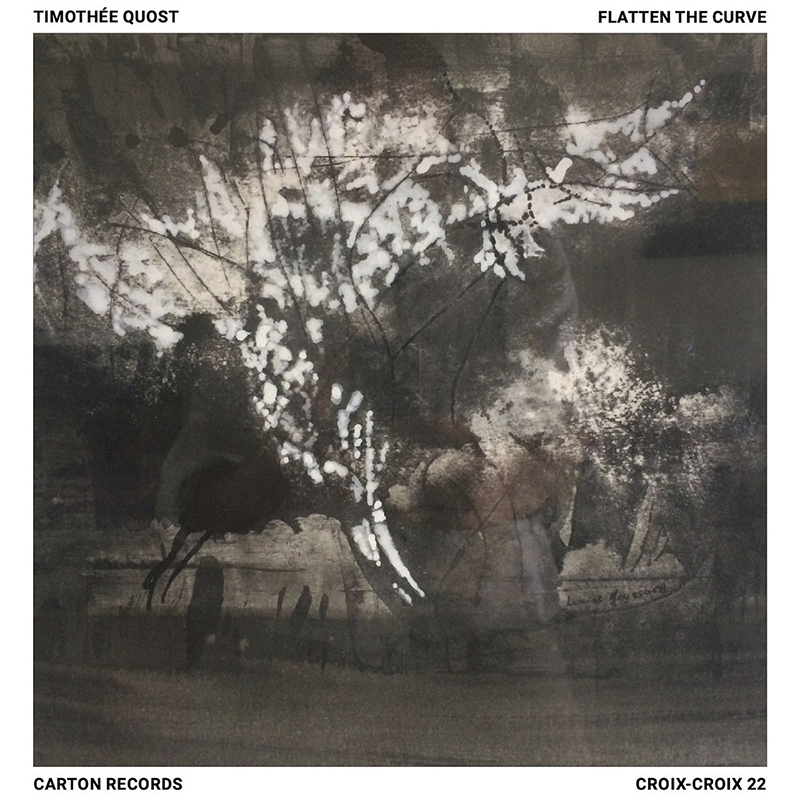
[et_pb_section fb_built= »1″ _builder_version= »4.9.4″ background_color= »#27657f » min_height= »407.7px » custom_padding= »68px||0px||| » global_colors_info= »{} »][et_pb_row make_equal= »on » custom_padding_last_edited= »on|phone » _builder_version= »4.9.4″ width= »60% » width_tablet= »90% » width_phone= »90% » width_last_edited= »on|phone » custom_margin= »||||false|false » custom_margin_tablet= » » custom_margin_phone= »0px||||false|false » custom_margin_last_edited= »on|phone » custom_padding_tablet= » » custom_padding_phone= »0px||||false|false » animation_style= »fade » global_colors_info= »{} »][et_pb_column type= »4_4″ _builder_version= »4.0.6″ global_colors_info= »{} »][et_pb_text content_last_edited= »off|desktop » _builder_version= »4.11.2″ text_text_color= »#ffffff » text_font_size= »50px » text_line_height= »1em » custom_padding= »30px||30px||true|false » global_colors_info= »{} »] TIMOTHEE QUOST, Flatten The Curve [/et_pb_text][et_pb_text _builder_version= »4.11.2″ text_font= »Roboto|100||||||| » text_text_color= »#ffffff » text_font_size= »28px » text_line_height= »1.2em » custom_margin= »9px||||| » custom_padding= »||2px||| » global_colors_info= »{} »] sortie le 9 octobre 2021 sur Carton Records [/et_pb_text][et_pb_divider color= »#ff7ad2″ divider_style= »dotted » divider_position= »center » _builder_version= »4.0.6″ custom_margin= »0px||13px||false|false » custom_padding= »0px||0px||true|true » global_colors_info= »{} »][/et_pb_divider][et_pb_post_title title= »off » date_format= »j M Y » comments= »off » featured_image= »off » _builder_version= »4.9.4″ _module_preset= »default » meta_font= »Roboto|100||||||| » meta_text_color= »#FFFFFF » global_colors_info= »{} »][/et_pb_post_title][/et_pb_column][/et_pb_row][/et_pb_section][et_pb_section fb_built= »1″ custom_padding_last_edited= »on|phone » _builder_version= »4.9.4″ background_color= »#FFFFFF » custom_margin= »||||false|false » custom_margin_tablet= » » custom_margin_phone= »||0px||false|false » custom_margin_last_edited= »on|phone » custom_padding= »||||false|false » custom_padding_tablet= » » custom_padding_phone= »||0px||false|false » global_colors_info= »{} »][et_pb_row column_structure= »3_5,2_5″ _builder_version= »4.9.4″ width= »60% » width_tablet= »90% » width_phone= »90% » width_last_edited= »on|phone » custom_padding= »||2px||| » global_colors_info= »{} »][et_pb_column type= »3_5″ _builder_version= »4.0.4″ global_colors_info= »{} »][et_pb_image src= »https://pointbreak.fr/wp-content/uploads/2021/10/a2300475702_10.jpg » alt= »Timothée Quost / Flatten The Curve » title_text= »Timothée Quost / Flatten The Curve » _builder_version= »4.11.2″ _module_preset= »default » custom_margin= »||||false|false » animation_style= »fade » animation_direction= »left » animation_duration= »1450ms » border_color_all= »rgba(0,0,0,0.08) » box_shadow_style= »preset3″ box_shadow_vertical= »9px » global_colors_info= »{} »][/et_pb_image][et_pb_code _builder_version= »4.11.2″ _module_preset= »default » global_colors_info= »{} »]Flatten The Curve by Timothée Quost[/et_pb_code][et_pb_text content_tablet= » ENGLISH / FRANÇAIS What the cost ? Don’t worry, Timothée Quost knows the price of things. Whether alone or accompanied, within Horns for example, the trumpet player never stops trying to raise the stakes. Without any concern to please, aiming even less that to seduce, Flatten The Curve prolongs the explorations of compositions and joint play dear to the noisemaker. In this last disc, Quost gathers former faithful, Victor Aubert or Gabriel Boyaut for example, and some of his compositions/improvisation in solo to challenge himself. This disc takes the crazy bet to question the comfort zones of its author. Fragility of the sound recordings in situ against the roughness of the sound materials, cash outlets of what is said and intimate reflection of what is played. We go up one more degree with this guy, whose work and career path has fascinated us for a while. Here, Timothée went to collect the word of old, their glance on the life, nature and progress, Quost rubs it and pricks himself there. We hear in Lame that %22we must not evolve too much%22. We agree. And this disc marks a masterly pause in the improviser’s progress, a pause of intimate, risky, harsh and in fine splendid excavation. Gosh. » content_phone= » ENGLISH / FRANÇAIS What the cost ? Don’t worry, Timothée Quost knows the price of things. Whether alone or accompanied, within Horns for example, the trumpet player never stops trying to raise the stakes. Without any concern to please, aiming even less that to seduce, Flatten The Curve prolongs the explorations of compositions and joint play dear to the noisemaker. In this last disc, Quost gathers former faithful, Victor Aubert or Gabriel Boyaut for example, and some of his compositions/improvisation in solo to challenge himself. This disc takes the crazy bet to question the comfort zones of its author. Fragility of the sound recordings in situ against the roughness of the sound materials, cash outlets of what is said and intimate reflection of what is played. We go up one more degree with this guy, whose work and career path has fascinated us for a while. Here, Timothée went to collect the word of old, their glance on the life, nature and progress, Quost rubs it and pricks himself there. We hear in Lame that %22we must not evolve too much%22. We agree. And this disc marks a masterly pause in the improviser’s progress, a pause of intimate, risky, harsh and in fine splendid excavation. Gosh. » content_last_edited= »on|phone » _builder_version= »4.11.2″ _module_preset= »default » text_text_color= »#000000″ text_font_size= »16px » custom_margin= »5%||||false|false » global_colors_info= »{} »] ENGLISH What the cost ? Don’t worry, Timothée Quost knows the price of things. Whether alone or accompanied, within Horns for example, the trumpet player never stops trying to raise the stakes. Without any concern to please, aiming even less that to seduce, Flatten The Curve prolongs the explorations of compositions and joint play dear to the noisemaker. In this last disc, Quost gathers former faithful, Victor Aubert or Gabriel Boyaut for example, and some of his compositions/improvisation in solo to challenge himself. This disc takes the crazy bet to question the comfort zones of its author. Fragility of the sound recordings in situ against the roughness of the sound materials, cash outlets of what is said and intimate reflection of what is played. We go up one more degree with this guy, whose work and career path has fascinated us for a while. Here, Timothée went to collect the word of old, their glance on the life, nature and progress, Quost rubs it and pricks himself there. We hear in Lame that « we must not evolve too much ». We agree. And this disc marks a masterly pause in the improviser’s progress, a pause of intimate, risky, harsh and in fine splendid excavation. Gosh. [/et_pb_text][/et_pb_column][et_pb_column type= »2_5″ _builder_version= »4.0.4″ global_colors_info= »{} »][et_pb_text _builder_version= »4.11.2″ _module_preset= »default » text_text_color= »#000000″ link_font= »Roboto|||||||| » link_text_color= »#ff6600″ hover_enabled= »0″ global_colors_info= »{} » sticky_enabled= »0″] What the cost ? Don’t worry, Timothée Quost sait le prix des choses. Que ce soit Seul ou accompagné, au sein de Horns par exemple, le trompettiste n’a de cesse d’éviter de faire monter les enchères. Sans aucun souci de plaire, visant encore moins celui de séduire, Flatten The Curve prolonge les explorations de compositions et de jeu en commun cher au soufflant bruiteur. Dans ce dernier disque, Quost réunit des anciens fidèles, Victor Aubert ou Gabriel Boyaut par exemple, et des compositions/improvisation en solo pour se challenger. Ce disque prend le pari fou de remettre en cause les zones de confort de son auteur. Fragilité des prises de sons in situ contre le rugueux des matières sonores, sorties cash de ce qui est dit et réflexion intime de ce qui est joué. On monte encore d’un degré chez ce type, dont le boulot et le parcours nous fascine depuis un moment. Ici, Timothée est allé collecter la parole d’anciens, leur regard sur la vie, nature et le progrès, Quost s’y frotte et s’y pique. « faut pas trop évoluer quand même », entend-on dans Lame. On est d’accord. Et ce disque marque une pause magistrale dans l’avancée de l’improvisateur, une pause d’excavation intime, risquée, âpre et in fine splendide. Sah. [/et_pb_text][et_pb_text _builder_version= »4.11.2″ link_text_color= »#FF6600″ custom_margin= »5%||||false|false » custom_padding= »||||false|false » global_colors_info= »{} »] —Carton Records : site webFlatten The Curve : Bandcamp [/et_pb_text][/et_pb_column][/et_pb_row][/et_pb_section]
Ai Ga Nakucha Ne, chronique

[et_pb_section fb_built= »1″ _builder_version= »4.9.4″ background_color= »#27657f » min_height= »407.7px » custom_padding= »68px||0px||| » global_colors_info= »{} »][et_pb_row make_equal= »on » custom_padding_last_edited= »on|phone » _builder_version= »4.9.4″ width= »60% » width_tablet= »90% » width_phone= »90% » width_last_edited= »on|phone » custom_margin= »||||false|false » custom_margin_tablet= » » custom_margin_phone= »0px||||false|false » custom_margin_last_edited= »on|phone » custom_padding_tablet= » » custom_padding_phone= »0px||||false|false » animation_style= »fade » global_colors_info= »{} »][et_pb_column type= »4_4″ _builder_version= »4.0.6″ global_colors_info= »{} »][et_pb_text content_last_edited= »off|desktop » _builder_version= »4.11.1″ text_text_color= »#ffffff » text_font_size= »50px » text_line_height= »1em » custom_padding= »30px||30px||true|false » hover_enabled= »0″ global_colors_info= »{} » sticky_enabled= »0″] AKIKO YANO, Ai Ga Nakucha Ne [/et_pb_text][et_pb_text _builder_version= »4.11.1″ text_font= »Roboto|100||||||| » text_text_color= »#ffffff » text_font_size= »28px » text_line_height= »1.2em » custom_margin= »9px||||| » custom_padding= »||2px||| » hover_enabled= »0″ global_colors_info= »{} » sticky_enabled= »0″] réédition le 8 octobre 2021 par WeWantSounds [/et_pb_text][et_pb_divider color= »#ff7ad2″ divider_style= »dotted » divider_position= »center » _builder_version= »4.0.6″ custom_margin= »0px||13px||false|false » custom_padding= »0px||0px||true|true » global_colors_info= »{} »][/et_pb_divider][et_pb_post_title title= »off » date_format= »j M Y » comments= »off » featured_image= »off » _builder_version= »4.9.4″ _module_preset= »default » meta_font= »Roboto|100||||||| » meta_text_color= »#FFFFFF » global_colors_info= »{} »][/et_pb_post_title][/et_pb_column][/et_pb_row][/et_pb_section][et_pb_section fb_built= »1″ custom_padding_last_edited= »on|phone » _builder_version= »4.9.4″ background_color= »#FFFFFF » custom_margin= »||||false|false » custom_margin_tablet= » » custom_margin_phone= »||0px||false|false » custom_margin_last_edited= »on|phone » custom_padding= »||||false|false » custom_padding_tablet= » » custom_padding_phone= »||0px||false|false » global_colors_info= »{} »][et_pb_row column_structure= »3_5,2_5″ _builder_version= »4.9.4″ width= »60% » width_tablet= »90% » width_phone= »90% » width_last_edited= »on|phone » custom_padding= »||2px||| » global_colors_info= »{} »][et_pb_column type= »3_5″ _builder_version= »4.0.4″ global_colors_info= »{} »][et_pb_image src= »https://pointbreak.fr/wp-content/uploads/2021/10/akikoyanoalbum.jpg » alt= »Akiko Yano – Ai GA Nakucha Ne » title_text= »Akiko Yano – Ai GA Nakucha Ne » _builder_version= »4.11.1″ _module_preset= »default » custom_margin= »||||false|false » animation_style= »fade » animation_direction= »left » animation_duration= »1450ms » hover_enabled= »0″ border_color_all= »rgba(0,0,0,0.08) » box_shadow_style= »preset3″ box_shadow_vertical= »9px » global_colors_info= »{} » sticky_enabled= »0″][/et_pb_image][et_pb_audio audio= »https://pointbreak.fr/wp-content/uploads/2021/10/08B-Sleep-on-my-baby.wav » title= »Sleep On Me Baby » artist_name= »Akiko Yano » album_name= »Ai Ga Nakucha Ne » _builder_version= »4.11.1″ _module_preset= »default » custom_margin= »7%||||false|false » hover_enabled= »0″ global_colors_info= »{} » title_text= »08B Sleep on my baby » sticky_enabled= »0″][/et_pb_audio][et_pb_text content_tablet= » ENGLISH / FRANÇAIS Shōjo is love but in manga. In music, it would be Akiko Yano’s Ai Ga Nakucha Ne album, %22There must be love%22, in english. Adorable, isn’t it? It was released in 1982. The same year she got married with Ryuichi Sakamoto, the co-producer of the album. As if it wasn’t already romantic. Akiko Yano makes her comeback in 2021 for a reissue by WeWantSounds. On this album Akiko Yano leaves the Land of the Rising Sun to make a feat with the country of Elizabeth II. Her backing band is called Japan. British people, who are called Japan, okay, it can be confusing. It’s 100% Fish and Chips, Mick Karn, Steve Jansen and David Sylvian. All the work is done at AIR Studios in London. The English touch can be felt and heard. Of the 11 sounds, 4 are in English and the Japanese accent of Akiko Yano has its own charm. Sweet, indeed. To summarize the album, it’s a mix between the soundtrack of Perfect Blue and AKB48. The return in the 80s is immediate with What’s Got In Your Eyes ? Very, very pop on the chorus. Soft and calm on the verses. Oishii Seikatsu and Michi De Battari are very traditional sounds. A real little taste of Japan before American pop brings back its ass and changes the codes. Sleep On My Baby, it’s synth and the voices of Japan in the background. The refrain Sleep on my baby, dream on my baby remains in loop in the head. And this, until the end of the day. At the same time, the softly whispered baby is really quite addictive. Like a good shōjo. » content_phone= » ENGLISH / FRANÇAIS Shōjo is love but in manga. In music, it would be Akiko Yano’s Ai Ga Nakucha Ne album, %22There must be love%22, in english. Adorable, isn’t it? It was released in 1982. The same year she got married with Ryuichi Sakamoto, the co-producer of the album. As if it wasn’t already romantic. Akiko Yano makes her comeback in 2021 for a reissue by WeWantSounds. On this album Akiko Yano leaves the Land of the Rising Sun to make a feat with the country of Elizabeth II. Her backing band is called Japan. British people, who are called Japan, okay, it can be confusing. It’s 100% Fish and Chips, Mick Karn, Steve Jansen and David Sylvian. All the work is done at AIR Studios in London. The English touch can be felt and heard. Of the 11 sounds, 4 are in English and the Japanese accent of Akiko Yano has its own charm. Sweet, indeed. To summarize the album, it’s a mix between the soundtrack of Perfect Blue and AKB48. The return in the 80s is immediate with What’s Got In Your Eyes ? Very, very pop on the chorus. Soft and calm on the verses. Oishii Seikatsu and Michi De Battari are very traditional sounds. A real little taste of Japan before American pop brings back its ass and changes the codes. Sleep On My Baby, it’s synth and the voices of Japan in the background. The refrain Sleep on my baby, dream on my baby remains in loop in the head. And this, until the end of the day. At the same time, the softly whispered baby is really quite addictive. Like a good shōjo. » content_last_edited= »on|phone » _builder_version= »4.11.1″ _module_preset= »default » text_text_color= »#000000″ text_font_size= »16px » custom_margin= »5%||||false|false » hover_enabled= »0″ global_colors_info= »{} » sticky_enabled= »0″] ENGLISH Shōjo is love but in manga. In music, it would be Akiko Yano’s Ai Ga Nakucha Ne album, « There must be love », in english. Adorable, isn’t it? It was released in 1982. The same year she got married with Ryuichi Sakamoto, the co-producer of the album. As if it wasn’t already romantic. Akiko Yano makes her comeback in 2021 for a reissue by WeWantSounds. On this album Akiko Yano leaves the Land of the Rising Sun to make a feat with the country of Elizabeth II. Her backing band is called Japan. British people, who are called Japan, okay, it can be confusing. It’s 100% Fish and Chips, Mick Karn, Steve Jansen and David Sylvian. All the work is done at AIR Studios in London. The English touch can be felt and heard. Of the 11 sounds, 4 are in English and the Japanese accent of Akiko Yano has its own charm. Sweet, indeed. To summarize the album, it’s a mix between the soundtrack of Perfect Blue and AKB48. The return in the 80s is immediate with What’s Got In Your Eyes ? Very, very pop on the chorus. Soft and calm on the verses. Oishii Seikatsu and Michi De Battari are very traditional sounds. A real little taste of Japan before American pop brings back its ass and changes the codes. Sleep On My Baby, it’s synth and the voices of Japan in the background. The refrain Sleep on my baby, dream on my baby remains in loop in the head. And this, until the end of the day. At the same time, the softly whispered baby is really quite addictive. Like a good shōjo. [/et_pb_text][/et_pb_column][et_pb_column type= »2_5″
NOUT, chronique
Live!, chronique
[et_pb_section fb_built= »1″ _builder_version= »4.9.4″ background_color= »#27657f » min_height= »407.7px » custom_padding= »68px||0px||| » global_colors_info= »{} »][et_pb_row make_equal= »on » custom_padding_last_edited= »on|phone » _builder_version= »4.9.4″ width= »60% » width_tablet= »90% » width_phone= »90% » width_last_edited= »on|phone » custom_margin= »||||false|false » custom_margin_tablet= » » custom_margin_phone= »0px||||false|false » custom_margin_last_edited= »on|phone » custom_padding_tablet= » » custom_padding_phone= »0px||||false|false » animation_style= »fade » global_colors_info= »{} »][et_pb_column type= »4_4″ _builder_version= »4.0.6″ global_colors_info= »{} »][et_pb_text content_last_edited= »off|desktop » _builder_version= »4.11.1″ text_text_color= »#ffffff » text_font_size= »50px » text_line_height= »1em » custom_padding= »30px||30px||true|false » global_colors_info= »{} »] FELA KUTI and AFRICA ’70w/ GINGER BAKER, Live! [/et_pb_text][et_pb_text _builder_version= »4.11.1″ text_font= »Roboto|100||||||| » text_text_color= »#ffffff » text_font_size= »28px » text_line_height= »1.2em » custom_margin= »9px||||| » custom_padding= »||2px||| » global_colors_info= »{} »] réédition le 17 novembre 2021 par Partisan Records [/et_pb_text][et_pb_divider color= »#ff7ad2″ divider_style= »dotted » divider_position= »center » _builder_version= »4.0.6″ custom_margin= »0px||13px||false|false » custom_padding= »0px||0px||true|true » global_colors_info= »{} »][/et_pb_divider][et_pb_post_title title= »off » date_format= »j M Y » comments= »off » featured_image= »off » _builder_version= »4.9.4″ _module_preset= »default » meta_font= »Roboto|100||||||| » meta_text_color= »#FFFFFF » global_colors_info= »{} »][/et_pb_post_title][/et_pb_column][/et_pb_row][/et_pb_section][et_pb_section fb_built= »1″ custom_padding_last_edited= »on|phone » _builder_version= »4.9.4″ background_color= »#FFFFFF » custom_margin= »||||false|false » custom_margin_tablet= » » custom_margin_phone= »||0px||false|false » custom_margin_last_edited= »on|phone » custom_padding= »||||false|false » custom_padding_tablet= » » custom_padding_phone= »||0px||false|false » global_colors_info= »{} »][et_pb_row column_structure= »3_5,2_5″ _builder_version= »4.9.4″ width= »60% » width_tablet= »90% » width_phone= »90% » width_last_edited= »on|phone » custom_padding= »||2px||| » global_colors_info= »{} »][et_pb_column type= »3_5″ _builder_version= »4.0.4″ global_colors_info= »{} »][et_pb_image src= »https://pointbreak.fr/wp-content/uploads/2021/10/cover.jpg » alt= »Live! de Fela Kuti & Ginger Baker » title_text= »Live! de Fela Kuti & Ginger Baker » _builder_version= »4.11.1″ _module_preset= »default » custom_margin= »||||false|false » animation_style= »fade » animation_direction= »left » animation_duration= »1450ms » border_color_all= »rgba(0,0,0,0.08) » box_shadow_style= »preset3″ box_shadow_vertical= »9px » global_colors_info= »{} »][/et_pb_image][et_pb_audio audio= »https://pointbreak.fr/wp-content/uploads/2021/10/Ye-Ye-De-Smell.mp3″ title= »Ye Ye De Smell » artist_name= »Fela Kuti w/ Ginger Baker » album_name= »Live! (1971) » _builder_version= »4.11.1″ _module_preset= »default » custom_margin= »7%||||false|false » global_colors_info= »{} »][/et_pb_audio][et_pb_text content_tablet= » ENGLISH / FRANÇAIS Connection. %22Guys who have balls%22 said a French ad in 1985. Years before, in 1971, the connection was less a matter of zipper than of drumsticks. After the kick of the Cream and Blind Faith supergroups, Ginger Baker was exhausted. He took off in a Range Rover, departed from Algeria, crossed the Sahara and put the handbrake on in Lagos. There, Baker met up with Fela Kuti, who had become a legend of the infernal Afrobeat pulse. Millimetered by his regular drummer, Tony Allen, the pulse enlists jazz, a political screamer, the softness of soul and some local devilry. Creolité pyromaniac, Afrobeat explodes under the weight of the two cadrons involved in Live! concert taken on the spot in 1971, released in Nigeria the same year and reissued on November 17 by Partisans Records. 4 tracks, just one under 10 minutes, hypnotic beats, the magic of Ye Ye De Smell, and the raw sound dressing each of the solos. Artisan of Fela’s reissues, the label celebrates the 50th anniversary of the record, and adds a bonus of fencers where Tony Allen and Baker skin each other in Germany in 1978. The first said of the second that the little drummer Oyinbo, the little white hitter, could play if he wanted, could play rock with the supreme cream, and that if he wanted Afrobeat, he would come to Nigeria. At ease Baker, with his crazy redheaded pirate nose, his drug addicted bastard reputations and his ability to make deep and impressive musical connections, as here in the realm of raw power. » content_phone= » ENGLISH / FRANÇAIS Connection. %22Guys who have balls%22 said a French ad in 1985. Years before, in 1971, the connection was less a matter of zipper than of drumsticks. After the kick of the Cream and Blind Faith supergroups, Ginger Baker was exhausted. He took off in a Range Rover, departed from Algeria, crossed the Sahara and put the handbrake on in Lagos. There, Baker met up with Fela Kuti, who had become a legend of the infernal Afrobeat pulse. Millimetered by his regular drummer, Tony Allen, the pulse enlists jazz, a political screamer, the softness of soul and some local devilry. Creolité pyromaniac, Afrobeat explodes under the weight of the two cadrons involved in Live! concert taken on the spot in 1971, released in Nigeria the same year and reissued on November 17 by Partisans Records. 4 tracks, just one under 10 minutes, hypnotic beats, the magic of Ye Ye De Smell, and the raw sound dressing each of the solos. Artisan of Fela’s reissues, the label celebrates the 50th anniversary of the record, and adds a bonus of fencers where Tony Allen and Baker skin each other in Germany in 1978. The first said of the second that the little drummer Oyinbo, the little white hitter, could play if he wanted, could play rock with the supreme cream, and that if he wanted Afrobeat, he would come to Nigeria. At ease Baker, with his crazy redheaded pirate nose, his drug addicted bastard reputations and his ability to make deep and impressive musical connections, as here in the realm of raw power. » content_last_edited= »on|phone » _builder_version= »4.11.1″ _module_preset= »default » text_text_color= »#000000″ text_font_size= »16px » custom_margin= »5%||||false|false » global_colors_info= »{} »] ENGLISH Connection. « Guys who have balls » said a French ad in 1985. Years before, in 1971, the connection was less a matter of zipper than of drumsticks. After the kick of the Cream and Blind Faith supergroups, Ginger Baker was exhausted. He took off in a Range Rover, departed from Algeria, crossed the Sahara and put the handbrake on in Lagos. There, Baker met up with Fela Kuti, who had become a legend of the infernal Afrobeat pulse. Millimetered by his regular drummer, Tony Allen, the pulse enlists jazz, a political screamer, the softness of soul and some local devilry. Creolité pyromaniac, Afrobeat explodes under the weight of the two cadrons involved in Live! concert taken on the spot in 1971, released in Nigeria the same year and reissued on November 17 by Partisans Records. 4 tracks, just one under 10 minutes, hypnotic beats, the magic of Ye Ye De Smell, and the raw sound dressing each of the solos. Artisan of Fela’s reissues, the label celebrates the 50th anniversary of the record, and adds a bonus of fencers where Tony Allen and Baker skin each other in Germany in 1978. The first said of the second that the little drummer Oyinbo, the little white hitter, could play if he wanted, could play rock with the supreme cream, and that if he wanted Afrobeat, he would come to Nigeria. At ease Baker, with his crazy redheaded pirate nose, his drug addicted bastard reputations and his ability to make deep and impressive musical connections, as here in the realm of raw power. [/et_pb_text][/et_pb_column][et_pb_column type= »2_5″ _builder_version= »4.0.4″ global_colors_info= »{} »][et_pb_text _builder_version= »4.11.1″ _module_preset= »default » text_text_color= »#000000″ link_font= »Roboto|||||||| » link_text_color= »#ff6600″ global_colors_info= »{} »] Connexion. « Des mecs qui en ont » disait Gainsbourg à la France de 1985. Encore avant, en 1971, la connexion était moins une histoire de braguette que de baguettes. Après le kick des supergroups Cream et Blind Faith, Ginger Baker est épuisé. Il décampe au volant d’une Range Rover, part
Pantagruel Résolu, chronique

Music For A locked In Double Bass, chronique
[et_pb_section fb_built= »1″ _builder_version= »4.9.4″ background_color= »#27657f » min_height= »407.7px » custom_padding= »68px||0px||| » global_colors_info= »{} »][et_pb_row make_equal= »on » custom_padding_last_edited= »on|phone » _builder_version= »4.9.4″ width= »60% » width_tablet= »90% » width_phone= »90% » width_last_edited= »on|phone » custom_margin= »||||false|false » custom_margin_tablet= » » custom_margin_phone= »0px||||false|false » custom_margin_last_edited= »on|phone » custom_padding_tablet= » » custom_padding_phone= »0px||||false|false » animation_style= »fade » global_colors_info= »{} »][et_pb_column type= »4_4″ _builder_version= »4.0.6″ global_colors_info= »{} »][et_pb_text content_last_edited= »off|desktop » _builder_version= »4.10.8″ text_text_color= »#ffffff » text_font_size= »50px » text_line_height= »1em » custom_padding= »30px||30px||true|false » global_colors_info= »{} »] VLADIMIR TORRES, Music ForA locked In Double Bass [/et_pb_text][et_pb_text _builder_version= »4.10.8″ text_font= »Roboto|100||||||| » text_text_color= »#ffffff » text_font_size= »28px » text_line_height= »1.2em » custom_margin= »9px||||| » custom_padding= »||2px||| » global_colors_info= »{} »] sortie le 8 octobre 2021 sur L’Horizon Violet [/et_pb_text][et_pb_divider color= »#ff7ad2″ divider_style= »dotted » divider_position= »center » _builder_version= »4.0.6″ custom_margin= »0px||13px||false|false » custom_padding= »0px||0px||true|true » global_colors_info= »{} »][/et_pb_divider][et_pb_post_title title= »off » date_format= »j M Y » comments= »off » featured_image= »off » _builder_version= »4.9.4″ _module_preset= »default » meta_font= »Roboto|100||||||| » meta_text_color= »#FFFFFF » global_colors_info= »{} »][/et_pb_post_title][/et_pb_column][/et_pb_row][/et_pb_section][et_pb_section fb_built= »1″ custom_padding_last_edited= »on|phone » _builder_version= »4.9.4″ background_color= »#FFFFFF » custom_margin= »||||false|false » custom_margin_tablet= » » custom_margin_phone= »||0px||false|false » custom_margin_last_edited= »on|phone » custom_padding= »||||false|false » custom_padding_tablet= » » custom_padding_phone= »||0px||false|false » global_colors_info= »{} »][et_pb_row column_structure= »3_5,2_5″ _builder_version= »4.9.4″ width= »60% » width_tablet= »90% » width_phone= »90% » width_last_edited= »on|phone » custom_padding= »||2px||| » global_colors_info= »{} »][et_pb_column type= »3_5″ _builder_version= »4.0.4″ global_colors_info= »{} »][et_pb_image src= »https://pointbreak.fr/wp-content/uploads/2021/09/VladCover.jpg » alt= »Music For A Locked In Double Bass de Vladimir Torres » title_text= »Music For A Locked In Double Bass » _builder_version= »4.10.8″ _module_preset= »default » custom_margin= »||||false|false » animation_style= »fade » animation_direction= »left » animation_duration= »1450ms » border_color_all= »rgba(0,0,0,0.08) » box_shadow_style= »preset3″ box_shadow_vertical= »9px » global_colors_info= »{} »][/et_pb_image][et_pb_audio audio= »https://pointbreak.fr/wp-content/uploads/2021/09/Vladimir-Torres-Music-for-a-Locked-in-Double-Bass-14-Billie-Jean.mp3″ title= »Billie Jean » artist_name= »Vladimir Torres » album_name= »Music For A Locked In Double Bass (2021) » _builder_version= »4.10.8″ _module_preset= »default » custom_margin= »7%||||false|false » global_colors_info= »{} »][/et_pb_audio][et_pb_text content_tablet= » ENGLISH / FRANÇAIS No retreat, fast forward. This is, in short, what seems to guide Vladimir Torres’ Music For a Locked In Double Bass. No Retreat. No retreat when played solo. In soccer, it’s always a bit hot to play it like that, in jazz it’s often very beautiful. Daring and very beautiful. You have your own space, your own time. You have to manage with that. Only. No, with other constraints too, like those damn lock-ups that have blocked a lot of instruments and parked a lot of musicians at home. Fast Forward, full speed ahead to the outside if not outside. The inner retreat made Torres lean forward, towards personal nuggets, Lonely Woman, Eleanor Rigby or Contrarriba. Towards the daring nickel grabbed, this worried Billie Jean, pop and ultra concentrated, posed like a saving outro. There is an urgency which runs through this disc, sign of the times. But undoubtedly due, also, to intimate preoccupations of the double bassist which belong to him. It irrigates the 14 titles slipped between the fingers of the musician. Impatient rereading of Blackbird, the blackbird has to make the marmolle on electric cables. Urgency again, legitimate and expected, in the Mingus greeting Lester Young with a blow of Pork Pie Hat. The power of Vladimir’s touch is the cause here, in the devil. And the sound blossoms as it does throughout this record. The sound recording is terrible, precise and gives to hear the energy of a musician who can finally move forward, out of our forced exiles. » content_phone= » ENGLISH / FRANÇAIS No retreat, fast forward. This is, in short, what seems to guide Vladimir Torres’ Music For a Locked In Double Bass. No Retreat. No retreat when played solo. In soccer, it’s always a bit hot to play it like that, in jazz it’s often very beautiful. Daring and very beautiful. You have your own space, your own time. You have to manage with that. Only. No, with other constraints too, like those damn lock-ups that have blocked a lot of instruments and parked a lot of musicians at home. Fast Forward, full speed ahead to the outside if not outside. The inner retreat made Torres lean forward, towards personal nuggets, Lonely Woman, Eleanor Rigby or Contrarriba. Towards the daring nickel grabbed, this worried Billie Jean, pop and ultra concentrated, posed like a saving outro. There is an urgency which runs through this disc, sign of the times. But undoubtedly due, also, to intimate preoccupations of the double bassist which belong to him. It irrigates the 14 titles slipped between the fingers of the musician. Impatient rereading of Blackbird, the blackbird has to make the marmolle on electric cables. Urgency again, legitimate and expected, in the Mingus greeting Lester Young with a blow of Pork Pie Hat. The power of Vladimir’s touch is the cause here, in the devil. And the sound blossoms as it does throughout this record. The sound recording is terrible, precise and gives to hear the energy of a musician who can finally move forward, out of our forced exiles. » content_last_edited= »on|phone » _builder_version= »4.10.8″ _module_preset= »default » text_text_color= »#000000″ text_font_size= »16px » custom_margin= »5%||||false|false » hover_enabled= »0″ global_colors_info= »{} » sticky_enabled= »0″] ENGLISH No retreat, fast forward. This is, in short, what seems to guide Vladimir Torres’ Music For a Locked In Double Bass. No Retreat. No retreat when played solo. In soccer, it’s always a bit hot to play it like that, in jazz it’s often very beautiful. Daring and very beautiful. You have your own space, your own time. You have to manage with that. Only. No, with other constraints too, like those damn lock-ups that have blocked a lot of instruments and parked a lot of musicians at home. Fast Forward, full speed ahead to the outside if not outside. The inner retreat made Torres lean forward, towards personal nuggets, Lonely Woman, Eleanor Rigby or Contrarriba. Towards the daring nickel grabbed, this worried Billie Jean, pop and ultra concentrated, posed like a saving neat outro. There is an urgency which runs through this disc, sign of the times. But undoubtedly due, also, to intimate preoccupations of the double bassist which belong to him. It irrigates the 14 titles slipped between the fingers of the musician. Impatient rereading of Blackbird, the blackbird has to make the marmolle on electric cables. Urgency again, legitimate and expected, in the Mingus greeting Lester Young with a blow of Pork Pie Hat. The power of Vladimir’s touch is the cause here, in the devil. And the sound blossoms as it does throughout this record. The sound recording is nifty, precise and it gives to hear the energy of a musician who can finally move forward, out of our forced exiles. [/et_pb_text][/et_pb_column][et_pb_column type= »2_5″ _builder_version= »4.0.4″ global_colors_info= »{} »][et_pb_text _builder_version= »4.10.8″ _module_preset= »default » text_text_color= »#000000″ link_font= »Roboto|||||||| » link_text_color= »#ff6600″ global_colors_info= »{} »] Neo retreat, fast forward. Voilà en bref, ce qui semble guider le Music For a Locked In Double Bass de Vladimir Torres. No Retreat. Pas de refuge possible quand on la joue solo. Au foot, c’est toujours un peu chaud de la jouer ainsi, en jazz c’est souvent très beau. Osé et très beau. On a l’espace pour soi, le temps en soi. Faut
Dracula, chronique

Going Going Gone, chronique
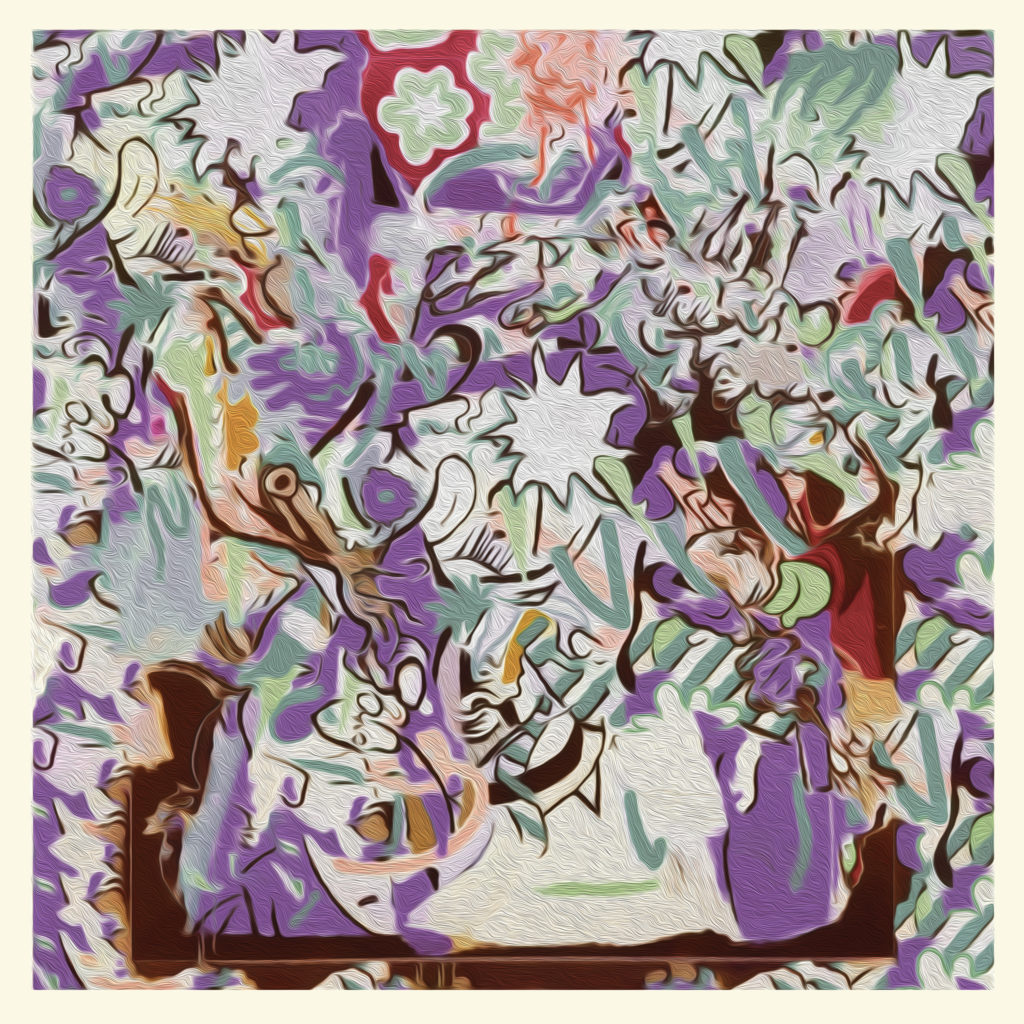
[et_pb_section fb_built= »1″ _builder_version= »4.9.4″ background_color= »#27657f » min_height= »407.7px » custom_padding= »68px||0px||| » global_colors_info= »{} »][et_pb_row make_equal= »on » custom_padding_last_edited= »on|phone » _builder_version= »4.9.4″ width= »60% » width_tablet= »90% » width_phone= »90% » width_last_edited= »on|phone » custom_margin= »||||false|false » custom_margin_tablet= » » custom_margin_phone= »0px||||false|false » custom_margin_last_edited= »on|phone » custom_padding_tablet= » » custom_padding_phone= »0px||||false|false » animation_style= »fade » global_colors_info= »{} »][et_pb_column type= »4_4″ _builder_version= »4.0.6″ global_colors_info= »{} »][et_pb_text content_last_edited= »off|desktop » _builder_version= »4.10.7″ text_text_color= »#ffffff » text_font_size= »50px » text_line_height= »1em » custom_padding= »30px||30px||true|false » global_colors_info= »{} »] MILD HIGH CLUB, Going Going Gone [/et_pb_text][et_pb_text _builder_version= »4.10.7″ text_font= »Roboto|100||||||| » text_text_color= »#ffffff » text_font_size= »28px » text_line_height= »1.2em » custom_margin= »9px||||| » custom_padding= »||2px||| » global_colors_info= »{} »] sortie le 17 septembre 2021 chez Stones Throw records [/et_pb_text][et_pb_divider color= »#ff7ad2″ divider_style= »dotted » divider_position= »center » _builder_version= »4.0.6″ custom_margin= »0px||13px||false|false » custom_padding= »0px||0px||true|true » global_colors_info= »{} »][/et_pb_divider][et_pb_post_title title= »off » date_format= »j M Y » comments= »off » featured_image= »off » _builder_version= »4.9.4″ _module_preset= »default » meta_font= »Roboto|100||||||| » meta_text_color= »#FFFFFF » global_colors_info= »{} »][/et_pb_post_title][/et_pb_column][/et_pb_row][/et_pb_section][et_pb_section fb_built= »1″ custom_padding_last_edited= »on|phone » _builder_version= »4.9.4″ background_color= »#FFFFFF » custom_margin= »||||false|false » custom_margin_tablet= » » custom_margin_phone= »||0px||false|false » custom_margin_last_edited= »on|phone » custom_padding= »||||false|false » custom_padding_tablet= » » custom_padding_phone= »||0px||false|false » global_colors_info= »{} »][et_pb_row column_structure= »3_5,2_5″ _builder_version= »4.9.4″ width= »60% » width_tablet= »90% » width_phone= »90% » width_last_edited= »on|phone » custom_padding= »||2px||| » global_colors_info= »{} »][et_pb_column type= »3_5″ _builder_version= »4.0.4″ global_colors_info= »{} »][et_pb_image src= »https://pointbreak.fr/wp-content/uploads/2021/09/Mild-High-Club-Going-Going-Gone-STH2423-scaled.jpg » alt= »Going Going Gone de Mild High Club » title_text= »Going Going Gone de Mild High Club » _builder_version= »4.10.7″ _module_preset= »default » custom_margin= »||||false|false » animation_style= »fade » animation_direction= »left » animation_duration= »1450ms » border_color_all= »rgba(0,0,0,0.08) » box_shadow_style= »preset3″ box_shadow_vertical= »9px » global_colors_info= »{} »][/et_pb_image][et_pb_code _builder_version= »4.10.7″ _module_preset= »default » custom_margin= »3em||||false|false » global_colors_info= »{} »]Going Going Gone by Mild High Club[/et_pb_code][et_pb_text content_tablet= » ENGLISH / FRANÇAIS Less is more. Alexander Brettin holds the right end of the precept. 3 albums since 2013, the gasman does not clutter the bins. Quantity less check, but quality in high level. His Going Going Gone plays on the same classy variations as his title. It is ultra smart, completely literate, with a complex and neat sound. From the start we sit on the pop influences, dancefloor style for laidback dancers. It bounces from the knee, nothing falls from the glass. At the second reading the album changes ear’s camp. One faces the harmonic mini-pyramids, the rhythmic breaks and an energy, certainly plunged in the summer vibe but furiously soaked in the perfect homecore. Whether you take this record by any track, in any direction, it remains magnetic and sticks to you, durably. Why? Dunno. Maybe because Alex Brettin plays as a poppy-disco salmon would do His Going is more a come back. It draws damn and nicely from his jazz background. A New High shows it perfectly, Brazil quotations in louced, ethereal voice and simple and fearsome scales. Brettin took the time to compose, to put together this success and you can hear it. No, rather it is tasted this complexity. Never posing, she spins when it is necessary, teases when it must and plays the indifferent when she can. It’s enough to run after its source. Smokey, Brettin the salmon. » content_phone= » ENGLISH / FRANÇAIS Less is more. Alexander Brettin holds the right end of the precept. 3 albums since 2013, the gasman does not clutter the bins. Quantity less check, but quality in high level. His Going Going Gone plays on the same classy variations as his title. It is ultra smart, completely literate, with a complex and neat sound. From the start we sit on the pop influences, dancefloor style for laidback dancers. It bounces from the knee, nothing falls from the glass. At the second reading the album changes ear’s camp. One faces the harmonic mini-pyramids, the rhythmic breaks and an energy, certainly plunged in the summer vibe but furiously soaked in the perfect homecore. Whether you take this record by any track, in any direction, it remains magnetic and sticks to you, durably. Why? Dunno. Maybe because Alex Brettin plays as a poppy-disco salmon would do His Going is more a come back. It draws damn and nicely from his jazz background. A New High shows it perfectly, Brazil quotations in louced, ethereal voice and simple and fearsome scales. Brettin took the time to compose, to put together this success and you can hear it. No, rather it is tasted this complexity. Never posing, she spins when it is necessary, teases when it must and plays the indifferent when she can. It’s enough to run after its source. Smokey, Brettin the salmon. » content_last_edited= »on|desktop » _builder_version= »4.10.7″ _module_preset= »default » text_text_color= »#000000″ text_font_size= »16px » custom_margin= »5%||||false|false » global_colors_info= »{} »] ENGLISH Less is more. Alexander Brettin holds the right end of the precept. 3 albums since 2013, the gasman does not clutter the bins. Quantity less check, but quality in high level. His Going Going Gone plays on the same classy variations as his title. It is ultra smart, completely literate, with a complex and neat sound. From the start we sit on the pop influences, dancefloor style for laidback dancers. It bounces from the knee, nothing falls from the glass. At the second reading the album changes ear’s camp. One faces the harmonic mini-pyramids, the rhythmic breaks and an energy, certainly plunged in the summer vibe but furiously soaked in the perfect homecore. Whether you take this record by any track, in any direction, it remains magnetic and sticks to you, durably. Why? Dunno. Maybe because Alex Brettin plays as a poppy-disco salmon would do His Going is more a come back. It draws damn and nicely from his jazz background. A New High shows it perfectly, Brazil quotations in louced, ethereal voice and simple and fearsome scales. Brettin took the time to compose, to put together this success and you can hear it. No, rather it is tasted this complexity. Never posing, she spins when it is necessary, teases when it must and plays the indifferent when she can. It’s enough to run after its source. Smokey, Brettin the salmon. [/et_pb_text][/et_pb_column][et_pb_column type= »2_5″ _builder_version= »4.0.4″ global_colors_info= »{} »][et_pb_text _builder_version= »4.10.7″ _module_preset= »default » text_text_color= »#000000″ link_font= »Roboto|||||||| » link_text_color= »#ff6600″ hover_enabled= »0″ global_colors_info= »{} » sticky_enabled= »0″] Less is more. Alexander Brettin tient le bon bout du précepte. 3 albums depuis 2013, le gazier n’encombre pas les bacs. Quantité less check, mais qualité toujours en high level. Son Going Going Gone joue sur les mêmes variations classes que son titre. C’est ultra malin, complètement lettré, doté d’un son complexe et canon. D’emblée on s’assoit sur les influences pop, façon dancefloor pour danseurs laidback. Ça sautille du genou, rien ne tombe du verre. À la deuxième lecture l’album change de camp. On affronte les mini-pyramides harmoniques, les ruptures rythmiques et une énergie, plongée certes dans la summer vibe mais furieusement trempée dans le homecore parfait. Qu’on prenne ce disque par n’importe quel track, dans n’importe quel sens, il reste magnétique et vous colle aux basques, durablement. Pourquoi ? Sais pas. Peut-être parce qu’Alex Brettin joue les saumons poppy-disco. Son Going, c’est
Space 1.8, chronique
Mary’s Ideas, chronique

[et_pb_section fb_built= »1″ _builder_version= »4.9.4″ background_color= »#27657f » min_height= »407.7px » custom_padding= »68px||0px||| » global_colors_info= »{} »][et_pb_row make_equal= »on » custom_padding_last_edited= »on|phone » _builder_version= »4.9.4″ width= »60% » width_tablet= »90% » width_phone= »90% » width_last_edited= »on|phone » custom_margin= »||||false|false » custom_margin_tablet= » » custom_margin_phone= »0px||||false|false » custom_margin_last_edited= »on|phone » custom_padding_tablet= » » custom_padding_phone= »0px||||false|false » animation_style= »fade » global_colors_info= »{} »][et_pb_column type= »4_4″ _builder_version= »4.0.6″ global_colors_info= »{} »][et_pb_text content_last_edited= »off|desktop » _builder_version= »4.10.7″ text_text_color= »#ffffff » text_font_size= »50px » text_line_height= »1em » custom_padding= »30px||30px||true|false » global_colors_info= »{} »] UMLAUT BIG BAND, Mary’s Ideas [/et_pb_text][et_pb_text _builder_version= »4.10.7″ text_font= »Roboto|100||||||| » text_text_color= »#ffffff » text_font_size= »28px » text_line_height= »1.2em » custom_margin= »9px||||| » custom_padding= »||2px||| » global_colors_info= »{} »] sortie le 17 septembre 2021 chez Umlaut Records [/et_pb_text][et_pb_divider color= »rgba(255,255,255,0.51) » divider_style= »dotted » divider_position= »center » _builder_version= »4.9.4″ custom_margin= »0px||13px||false|false » custom_padding= »0px||0px||true|true » global_colors_info= »{} »][/et_pb_divider][et_pb_post_title title= »off » date_format= »j M Y » comments= »off » featured_image= »off » _builder_version= »4.9.4″ _module_preset= »default » meta_font= »Roboto|100||||||| » meta_text_color= »#FFFFFF » global_colors_info= »{} »][/et_pb_post_title][/et_pb_column][/et_pb_row][/et_pb_section][et_pb_section fb_built= »1″ custom_padding_last_edited= »on|phone » _builder_version= »4.9.4″ background_color= »#FFFFFF » custom_margin= »||||false|false » custom_margin_tablet= » » custom_margin_phone= »||0px||false|false » custom_margin_last_edited= »on|phone » custom_padding= »||||false|false » custom_padding_tablet= » » custom_padding_phone= »||0px||false|false » global_colors_info= »{} »][et_pb_row column_structure= »3_5,2_5″ _builder_version= »4.9.4″ width= »60% » width_tablet= »90% » width_phone= »90% » width_last_edited= »on|phone » custom_padding= »||2px||| » global_colors_info= »{} »][et_pb_column type= »3_5″ _builder_version= »4.0.4″ global_colors_info= »{} »][et_pb_image src= »https://pointbreak.fr/wp-content/uploads/2021/09/a1136765095_10.jpg » alt= »Mary’s Ideas du Umlaut Big Band » title_text= »Mary’s Ideas du Umlaut Big Band » _builder_version= »4.10.7″ _module_preset= »default » custom_margin= »||||false|false » animation_style= »fade » animation_direction= »left » animation_duration= »1450ms » border_color_all= »rgba(0,0,0,0.08) » box_shadow_style= »preset3″ box_shadow_vertical= »9px » global_colors_info= »{} »][/et_pb_image][et_pb_code _builder_version= »4.10.7″ _module_preset= »default » custom_margin= »3em||||false|false » global_colors_info= »{} »]Mary's Ideas : Umlaut Big Band plays Mary Lou Williams by Umlaut Big Band[/et_pb_code][et_pb_text content_tablet= » ENGLISH / FRANÇAIS Mary? Ideas have genius. The latest release from the Umlaut Big Band proves it if needed in 2 CDs. In fact yes. There is a fuckin’ need. Mary Lou Williams is one of the most underrated women in jazz, which might already be a sinister pleonasm. This Mary’s Ideas is therefore a good one, just by its existence revealed this month. Under the leadership of Pierre-Antoine Badaroux, the large format Umlaut remains within his codes. Those of the brilliant exegete, those of the tireless pulsator and those of the patient smuggler. The Umlaut machine is radical in its precision, frankly communicative in its realization. This Mary’s Ideas moves away without difficulty from the lands of the pompous Tribute to encroach the side of deferential revisitations. The playfulness of the arrangements (Medi n°2, for example), the carnivorous care of the rhythmics (Roll ‘Em), the weeping joy of the soloists (Stardust). It would be necessary to unroll here piece by piece the double pedagological album to seize all the range of it. The loving observation of the unpublished works entrusted by the Institute of Jazz Studies in Newark is matched by a complete thematic progression. The genius of Mary Lou Williams explodes, blues salvo after bop salvo. Until the death of a woman with ideas of genius. » content_phone= » ENGLISH / FRANÇAIS Mary? Ideas have genius. The latest release from the Umlaut Big Band proves it if needed in 2 CDs. In fact yes. There is a fuckin’ need. Mary Lou Williams is one of the most underrated women in jazz, which might already be a sinister pleonasm. This Mary’s Ideas is therefore a good one, just by its existence revealed this month. Under the leadership of Pierre-Antoine Badaroux, the large format Umlaut remains within his codes. Those of the brilliant exegete, those of the tireless pulsator and those of the patient smuggler. The Umlaut machine is radical in its precision, frankly communicative in its realization. This Mary’s Ideas moves away without difficulty from the lands of the pompous Tribute to encroach the side of deferential revisitations. The playfulness of the arrangements (Medi n°2, for example), the carnivorous care of the rhythmics (Roll ‘Em), the weeping joy of the soloists (Stardust). It would be necessary to unroll here piece by piece the double pedagological album to seize all the range of it. The loving observation of the unpublished works entrusted by the Institute of Jazz Studies in Newark is matched by a complete thematic progression. The genius of Mary Lou Williams explodes, blues salvo after bop salvo. Until the death of a woman with ideas of genius. » content_last_edited= »on|phone » _builder_version= »4.10.7″ _module_preset= »default » text_text_color= »#000000″ text_font_size= »16px » custom_margin= »5%||||false|false » global_colors_info= »{} »] ENGLISH Mary? Ideas have genius. The latest release from the Umlaut Big Band proves it if needed in 2 CDs. In fact yes. There is a fuckin’ need. Mary Lou Williams is one of the most underrated women in jazz, which might already be a sinister pleonasm. This Mary’s Ideas is therefore a good one, just by its existence revealed this month. Under the leadership of Pierre-Antoine Badaroux, the large format Umlaut remains within his codes. Those of the brilliant exegete, those of the tireless pulsator and those of the patient smuggler. The Umlaut machine is radical in its precision, frankly communicative in its realization. This Mary’s Ideas moves away without difficulty from the lands of the pompous Tribute to encroach the side of deferential revisitations. The playfulness of the arrangements (Medi n°2, for example), the carnivorous care of the rhythmics (Roll ‘Em), the weeping joy of the soloists (Stardust). It would be necessary to unroll here piece by piece the double pedagological album to seize all the range of it. The loving observation of the unpublished works entrusted by the Institute of Jazz Studies in Newark is matched by a complete thematic progression. The genius of Mary Lou Williams explodes, blues salvo after bop salvo. Until the death of a woman with ideas of genius. [/et_pb_text][/et_pb_column][et_pb_column type= »2_5″ _builder_version= »4.0.4″ global_colors_info= »{} »][et_pb_text _builder_version= »4.10.7″ _module_preset= »default » link_font= »Roboto|||||||| » link_text_color= »#FF6600″ hover_enabled= »0″ global_colors_info= »{} » sticky_enabled= »0″] Mary, Mary ? Les idées ont du génie. La dernière sortie du Umlaut Big Band le prouve si besoin était en 2 CDs. En fait oui, il y a besoin. Mary Lou Williams est une des femmes du jazz les plus mésestimées, ce qui pourrait bien figurer déjà comme un sinistre pléonasme. Ce Mary’s Ideas est donc de bon ton, rien que par son existence révélée ce mois-ci. Sous la houlette de Pierre-Antoine Badaroux, le Umlaut grand format reste dans ses cordes. Celles de l’exégète génial, celles du pulsateur inlassable et celles du passeur patient. La machine Umlaut est radicale dans sa précision, franchement communicative dans sa réalisation. Ce Mary’s Ideas s’éloigne sans peine des terres du Tribute pompeux pour aller piétiner les plates-bandes des relectures déférentes. Ludisme des arrangements (Medi n°2, par exemple), soin carnivore des rythmiques (Roll ‘Em), joie éplorée des solistes (Stardust). Il faudrait dérouler ici pièce à pièce le double album pédagologique pour en saisir toute la portée. À l’observation amoureuse des inédits confiés par l’Institute of Jazz Studies de Newark répond une progression thématique complète. Le génie de Mary Lou Williams explose alors, salve