Zerolex trio, réfugiés organiques
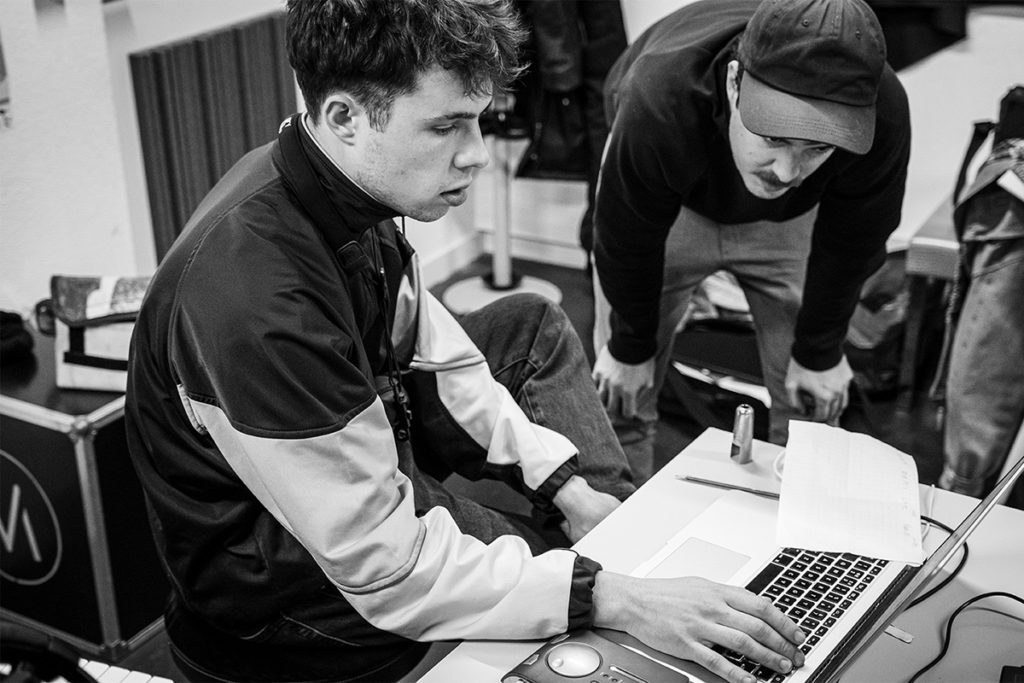
Open Arms to Open Us, chronique
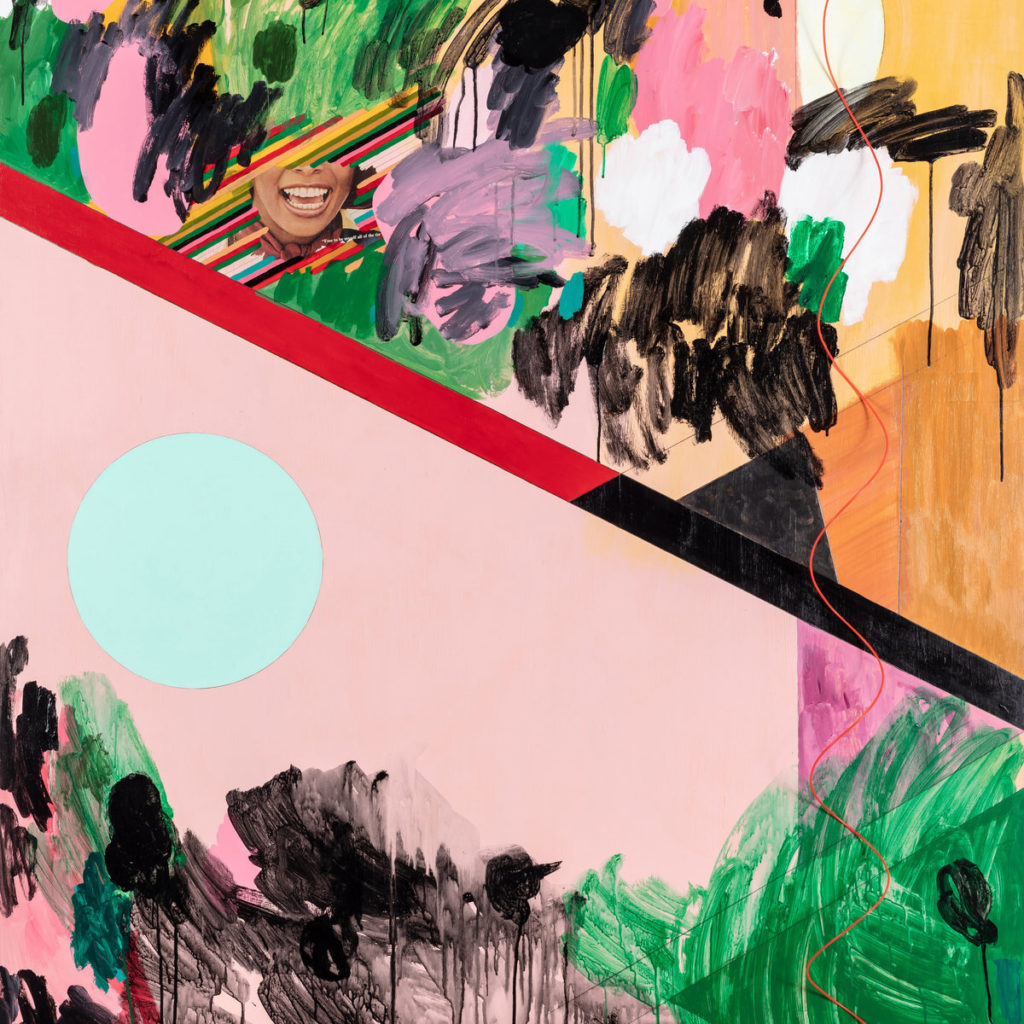
[et_pb_section fb_built= »1″ _builder_version= »4.9.4″ background_color= »#27657f » min_height= »407.7px » custom_padding= »68px||0px||| » global_colors_info= »{} »][et_pb_row make_equal= »on » custom_padding_last_edited= »on|phone » _builder_version= »4.9.4″ width= »60% » width_tablet= »90% » width_phone= »90% » width_last_edited= »on|phone » custom_margin= »||||false|false » custom_margin_tablet= » » custom_margin_phone= »0px||||false|false » custom_margin_last_edited= »on|phone » custom_padding_tablet= » » custom_padding_phone= »0px||||false|false » animation_style= »fade » global_colors_info= »{} »][et_pb_column type= »4_4″ _builder_version= »4.0.6″ global_colors_info= »{} »][et_pb_text content_last_edited= »off|desktop » _builder_version= »4.13.1″ text_text_color= »#ffffff » text_font_size= »50px » text_line_height= »1em » header_2_text_color= »#FFFFFF » header_2_font_size= »56px » custom_padding= »30px||30px||true|false » global_colors_info= »{} »] BEN LAMAR GAY,Open Arms to Open Us [/et_pb_text][et_pb_text _builder_version= »4.13.1″ text_font= »Roboto|100||||||| » text_text_color= »#ffffff » text_font_size= »28px » text_line_height= »1.2em » custom_margin= »9px||||| » custom_padding= »||2px||| » global_colors_info= »{} »] sortie le 19 novembre 2021 sur International Anthem [/et_pb_text][et_pb_divider color= »#ff7ad2″ divider_style= »dotted » divider_position= »center » _builder_version= »4.0.6″ custom_margin= »0px||13px||false|false » custom_padding= »0px||0px||true|true » global_colors_info= »{} »][/et_pb_divider][et_pb_post_title title= »off » date_format= »j M Y » comments= »off » featured_image= »off » _builder_version= »4.9.4″ _module_preset= »default » meta_font= »Roboto|100||||||| » meta_text_color= »#FFFFFF » global_colors_info= »{} »][/et_pb_post_title][/et_pb_column][/et_pb_row][/et_pb_section][et_pb_section fb_built= »1″ custom_padding_last_edited= »on|phone » _builder_version= »4.9.4″ background_color= »#FFFFFF » custom_margin= »||||false|false » custom_margin_tablet= » » custom_margin_phone= »||0px||false|false » custom_margin_last_edited= »on|phone » custom_padding= »||||false|false » custom_padding_tablet= » » custom_padding_phone= »||0px||false|false » global_colors_info= »{} »][et_pb_row column_structure= »3_5,2_5″ _builder_version= »4.9.4″ width= »60% » width_tablet= »90% » width_phone= »90% » width_last_edited= »on|phone » custom_padding= »||2px||| » global_colors_info= »{} »][et_pb_column type= »3_5″ _builder_version= »4.0.4″ global_colors_info= »{} »][et_pb_image src= »https://pointbreak.fr/wp-content/uploads/2021/11/BenLamarGay.jpg » alt= »Open Arms To Open Us de Ben Lamar Gay » title_text= »Open Arms To Open Us de Ben Lamar Gay » _builder_version= »4.13.1″ _module_preset= »default » custom_margin= »||||false|false » animation_style= »fade » animation_direction= »left » animation_duration= »1450ms » border_color_all= »rgba(0,0,0,0.08) » box_shadow_style= »preset3″ box_shadow_vertical= »9px » global_colors_info= »{} »][/et_pb_image][et_pb_code _builder_version= »4.13.1″ _module_preset= »default » custom_margin= »4em||||false|false » global_colors_info= »{} »]Open Arms to Open Us by Ben LaMar Gay[/et_pb_code][et_pb_text content_tablet= » ENGLISH / FRANÇAIS With short arms. Even when open, Ben LaMar Gay’s hands on Open Arms to Open Us hit hard. It pounds, it hammers, it brutalizes. Without precaution but with a wonderful tenderness, impolite and perfectly stirring. Bang Melody Bang. BLG says he is guided by the urgency of rhythm, the urgency of transmitting it to nowaday’s kids. It’s the rhythm that makes the rightness of a word through the silence, it’s the rhythm that creates the surprise, it’s the rhythm that makes the pleasure rise, the very one after which we all run a bit. In circles sometimes, without knowing how to get out of the loop, to pause and breathe a little bit at last. Open Arms to Open Us takes up the inventions heard on the beautiful Downtown Castles Can Never Block The Sun. Here, we move forward first, as it is done on the multiple scenes of the current Chicago Underground. Not a coincidence if we find Rob Frye, Tomeka Reid or Angel Bat Dawid, here. Here, the space precedes the walk. In rhythm. Trumpet in pocket and lyricism always screwed in head. This record is a stubborn record. A record that hammers the heads, with its cohorts of ghosts, sly or thunderous, these fanfares and copious processions on Hood Rich Happy. It is strongly question of heritage, of territories to be preserved. Here in forty minutes, the solutions are sketched, just suggested, We Gon Win. The tracks are fast and frustrate what it is necessary to create the dazzling desire. Later. After the end of the record. When the internal rhythms of the listener will explode. » content_phone= » ENGLISH / FRANÇAIS With short arms. Even when open, Ben LaMar Gay’s hands on Open Arms to Open Us hit hard. It pounds, it hammers, it brutalizes. Without precaution but with a wonderful tenderness, impolite and perfectly stirring. Bang Melody Bang. BLG says he is guided by the urgency of rhythm, the urgency of transmitting it to nowaday’s kids. It’s the rhythm that makes the rightness of a word through the silence, it’s the rhythm that creates the surprise, it’s the rhythm that makes the pleasure rise, the very one after which we all run a bit. In circles sometimes, without knowing how to get out of the loop, to pause and breathe a little bit at last. Open Arms to Open Us takes up the inventions heard on the beautiful Downtown Castles Can Never Block The Sun. Here, we move forward first, as it is done on the multiple scenes of the current Chicago Underground. Not a coincidence if we find Rob Frye, Tomeka Reid or Angel Bat Dawid, here. Here, the space precedes the walk. In rhythm. Trumpet in pocket and lyricism always screwed in head. This record is a stubborn record. A record that hammers the heads, with its cohorts of ghosts, sly or thunderous, these fanfares and copious processions on Hood Rich Happy. It is strongly question of heritage, of territories to be preserved. Here in forty minutes, the solutions are sketched, just suggested, We Gon Win. The tracks are fast and frustrate what it is necessary to create the dazzling desire. Later. After the end of the record. When the internal rhythms of the listener will explode. » content_last_edited= »on|phone » _builder_version= »4.13.1″ _module_preset= »default » text_text_color= »#000000″ text_font_size= »16px » custom_margin= »5%||||false|false » hover_enabled= »0″ global_colors_info= »{} » sticky_enabled= »0″] ENGLISH With short arms. Even when open, Ben LaMar Gay’s hands on Open Arms to Open Us hit hard. It pounds, it hammers, it brutalizes. Without precaution but with a wonderful tenderness, impolite and perfectly stirring. Bang Melody Bang. BLG says he is guided by the urgency of rhythm, the urgency of transmitting it to nowaday’s kids. It’s the rhythm that makes the rightness of a word through the silence, it’s the rhythm that creates the surprise, it’s the rhythm that makes the pleasure rise, the very one after which we all run a bit. In circles sometimes, without knowing how to get out of the loop, to pause and breathe a little bit at last. Open Arms to Open Us takes up the inventions heard on the beautiful Downtown Castles Can Never Block The Sun. Here, we move forward first, as it is done on the multiple scenes of the current Chicago Underground. Not a coincidence if we find Rob Frye, Tomeka Reid or Angel Bat Dawid, here. Here, the space precedes the walk. In rhythm. Trumpet in pocket and lyricism always screwed in head. This record is a stubborn record. A record that hammers the heads, with its cohorts of ghosts, sly or thunderous, these fanfares and copious processions on Hood Rich Happy. It is strongly question of heritage, of territories to be preserved. Here in forty minutes, the solutions are sketched, just suggested, We Gon Win. The tracks are fast and frustrate what it is necessary to create the dazzling desire. Later. After the end of the record. When the internal rhythms of the listener will explode. [/et_pb_text][/et_pb_column][et_pb_column type= »2_5″ _builder_version= »4.0.4″ global_colors_info= »{} »][et_pb_text _builder_version= »4.13.1″ _module_preset= »default » text_text_color= »#000000″ link_font= »Roboto|||||||| » link_text_color= »#ff6600″ hover_enabled= »0″ global_colors_info= »{} » sticky_enabled= »0″] À bras raccourcis. Même ouverts, les battoirs de Ben LaMar Gay sur Open Arms to Open Us tapent dur.
Remixes, chronique

[et_pb_section fb_built= »1″ _builder_version= »4.9.4″ background_color= »#27657f » min_height= »407.7px » custom_padding= »68px||0px||| » global_colors_info= »{} »][et_pb_row make_equal= »on » custom_padding_last_edited= »on|phone » _builder_version= »4.9.4″ width= »60% » width_tablet= »90% » width_phone= »90% » width_last_edited= »on|phone » custom_margin= »||||false|false » custom_margin_tablet= » » custom_margin_phone= »0px||||false|false » custom_margin_last_edited= »on|phone » custom_padding_tablet= » » custom_padding_phone= »0px||||false|false » animation_style= »fade » global_colors_info= »{} »][et_pb_column type= »4_4″ _builder_version= »4.0.6″ global_colors_info= »{} »][et_pb_text content_last_edited= »off|desktop » _builder_version= »4.13.1″ text_text_color= »#ffffff » text_font_size= »50px » text_line_height= »1em » custom_padding= »30px||30px||true|false » global_colors_info= »{} »] JAZZ IS DEAD, Remixes [/et_pb_text][et_pb_text _builder_version= »4.13.1″ text_font= »Roboto|100||||||| » text_text_color= »#ffffff » text_font_size= »28px » text_line_height= »1.2em » custom_margin= »9px||||| » custom_padding= »||2px||| » global_colors_info= »{} »] sortie le 3 décembre 2021 sur Jazz Is Dead Records [/et_pb_text][et_pb_divider color= »#ff7ad2″ divider_style= »dotted » divider_position= »center » _builder_version= »4.0.6″ custom_margin= »0px||13px||false|false » custom_padding= »0px||0px||true|true » global_colors_info= »{} »][/et_pb_divider][et_pb_post_title title= »off » date_format= »j M Y » comments= »off » featured_image= »off » _builder_version= »4.9.4″ _module_preset= »default » meta_font= »Roboto|100||||||| » meta_text_color= »#FFFFFF » global_colors_info= »{} »][/et_pb_post_title][/et_pb_column][/et_pb_row][/et_pb_section][et_pb_section fb_built= »1″ custom_padding_last_edited= »on|phone » _builder_version= »4.9.4″ background_color= »#FFFFFF » custom_margin= »||||false|false » custom_margin_tablet= » » custom_margin_phone= »||0px||false|false » custom_margin_last_edited= »on|phone » custom_padding= »||||false|false » custom_padding_tablet= » » custom_padding_phone= »||0px||false|false » global_colors_info= »{} »][et_pb_row column_structure= »3_5,2_5″ _builder_version= »4.9.4″ width= »60% » width_tablet= »90% » width_phone= »90% » width_last_edited= »on|phone » custom_padding= »||2px||| » global_colors_info= »{} »][et_pb_column type= »3_5″ _builder_version= »4.0.4″ global_colors_info= »{} »][et_pb_image src= »https://pointbreak.fr/wp-content/uploads/2021/11/JiD-010-digital-cover-V3-scaled.jpg » alt= »Remixes de Jazz Is Dead » title_text= »Jazz Is Dead Remixes » _builder_version= »4.13.1″ _module_preset= »default » custom_margin= »||||false|false » animation_style= »fade » animation_direction= »left » animation_duration= »1450ms » border_color_all= »rgba(0,0,0,0.08) » box_shadow_style= »preset3″ box_shadow_vertical= »9px » global_colors_info= »{} »][/et_pb_image][et_pb_code _builder_version= »4.13.1″ _module_preset= »default » custom_margin= »4em||||false|false » global_colors_info= »{} »]Remixes JID010 by Various Artists[/et_pb_code][et_pb_text content_tablet= » ENGLISH / FRANÇAIS Deads Don’t Die, said Jarmusch in his last film. Dead Jazz never walks alone, now complete Adrian Younge and Ali Shaheed Muhammad. 10th round for their Jazz Is Dead. Kinda masterclass in transgenerational ways and moves. JID is more than a matter of very talented and astute producers. Above all a radical and mellow descent into the cellar of the jazz family, into the very DNA of this music. And in this DNA, there is a fierce resolution to live together. Better than the best of threesomes or hippie communities. 9 albums to gather the prestige and the invention, to rediscover the pleasureful syncopations of some figures, heavy champs in the jazz field as Gary Bartz, Marcos Valle or Roy Ayers. For this Round 10, Younge & Muhammad hang the perfect names of Kaidi Tatham, Cut Chemist, Georgia Anne Muldrow or Pink Siifu to the hype of the roster. This Remixes is fascinating. Behind the little fib of the title, there is a truth. 9 producers and artists reconnect jazz to the energy of current world. Absolutely no remixes here but the very reinvention and re-imaginings of emblematic titles, drawn with the love of a detail, the happiness of a pattern. Just one example, Brian Jackson’s Nancy Wilson revisited by the triad Shigeto, Ahya Simone and Dez Andres. A small sensual story out of time, happiness in long play mode thrown in the face of jazz that has become a little more obedient on some other stages. Hard Again, sang Muddy Waters. » content_phone= » ENGLISH / FRANÇAIS Deads Don’t Die, said Jarmusch in his last film. Dead Jazz never walks alone, now complete Adrian Younge and Ali Shaheed Muhammad. 10th round for their Jazz Is Dead. Kinda masterclass in transgenerational ways and moves. JID is more than a matter of very talented and astute producers. Above all a radical and mellow descent into the cellar of the jazz family, into the very DNA of this music. And in this DNA, there is a fierce resolution to live together. Better than the best of threesomes or hippie communities. 9 albums to gather the prestige and the invention, to rediscover the pleasureful syncopations of some figures, heavy champs in the jazz field as Gary Bartz, Marcos Valle or Roy Ayers. For this Round 10, Younge & Muhammad hang the perfect names of Kaidi Tatham, Cut Chemist, Georgia Anne Muldrow or Pink Siifu to the hype of the roster. This Remixes is fascinating. Behind the little fib of the title, there is a truth. 9 producers and artists reconnect jazz to the energy of current world. Absolutely no remixes here but the very reinvention and re-imaginings of emblematic titles, drawn with the love of a detail, the happiness of a pattern. Just one example, Brian Jackson’s Nancy Wilson revisited by the triad Shigeto, Ahya Simone and Dez Andres. A small sensual story out of time, happiness in long play mode thrown in the face of jazz that has become a little more obedient on some other stages. Hard Again, sang Muddy Waters. » content_last_edited= »on|phone » _builder_version= »4.13.1″ _module_preset= »default » text_text_color= »#000000″ text_font_size= »16px » custom_margin= »5%||||false|false » global_colors_info= »{} »] ENGLISH Deads Don’t Die, said Jarmusch in his last film. Dead Jazz never walks alone, now complete Adrian Younge and Ali Shaheed Muhammad. 10th round for their Jazz Is Dead. Kinda masterclass in transgenerational ways and moves. JID is more than a matter of very talented and astute producers. Above all a radical and mellow descent into the cellar of the jazz family, into the very DNA of this music. And in this DNA, there is a fierce resolution to live together. Better than the best of threesomes or hippie communities. 9 albums to gather the prestige and the invention, to rediscover the pleasureful syncopations of some figures, heavy champs in the jazz field as Gary Bartz, Marcos Valle or Roy Ayers. For this Round 10, Younge & Muhammad hang the perfect names of Kaidi Tatham, Cut Chemist, Georgia Anne Muldrow or Pink Siifu to the hype of the roster. This Remixes is fascinating. Behind the little fib of the title, there is a truth. 9 producers and artists reconnect jazz to the energy of current world. Absolutely no remixes here but the very reinvention and re-imaginings of emblematic titles, drawn with the love of a detail, the happiness of a pattern. Just one example, Brian Jackson’s Nancy Wilson revisited by the triad Shigeto, Ahya Simone and Dez Andres. A small sensual story out of time, happiness in long play mode thrown in the face of jazz that has become a little more obedient on some other stages. Hard Again, sang Muddy Waters. [/et_pb_text][/et_pb_column][et_pb_column type= »2_5″ _builder_version= »4.0.4″ global_colors_info= »{} »][et_pb_text _builder_version= »4.13.1″ _module_preset= »default » text_text_color= »#000000″ link_font= »Roboto|||||||| » link_text_color= »#ff6600″ hover_enabled= »0″ global_colors_info= »{} » sticky_enabled= »0″] Deads Don’t Die, clamait Jarmusch dans son dernier film. Dead Jazz never walks alone, complètent désormais Adrian Younge et Ali Shaheed Muhammad. 10ème round pour leur Jazz Is Dead. Masterclass de production transgénérationnelle, transpartisane. JID, c’est plus qu’une affaire de producteurs très doués au nez très creux. C’est surtout une descente radicale et moelleuse dans le caveau de la famille jazz, dans l’ADN même de cette musique. Et dans cet ADN, il y a une résolution féroce de vivre à plusieurs. Mieux que le meilleur des trouples ou
Jazzdor 2021, les reviews
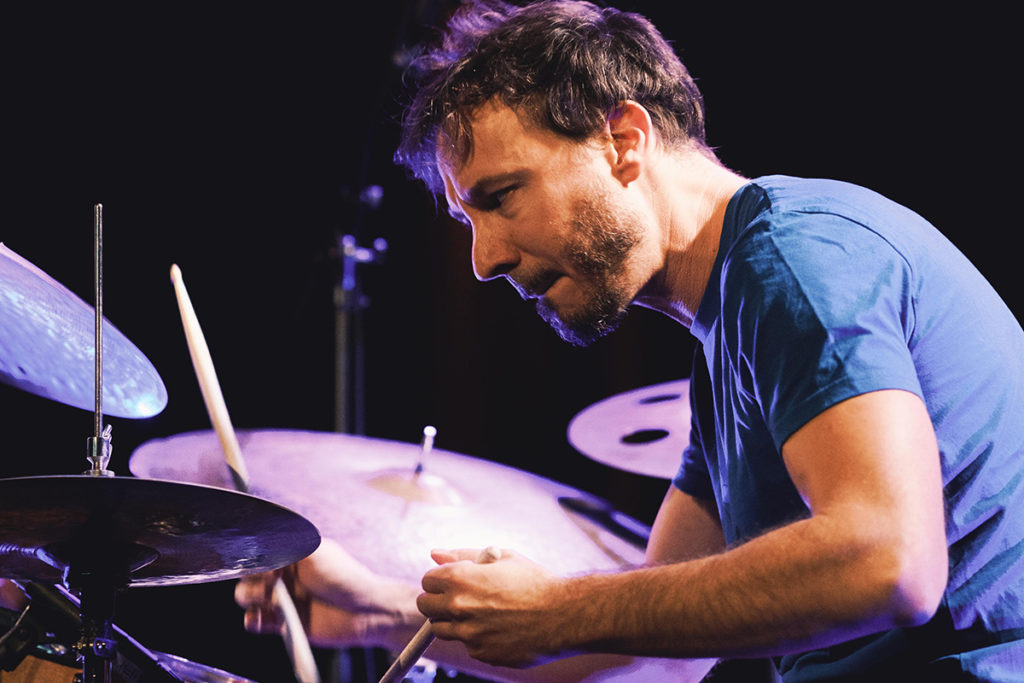
[et_pb_section fb_built= »1″ _builder_version= »4.13.1″ background_color= »#7a005b » width_tablet= » » width_phone= » » width_last_edited= »on|phone » custom_margin= »0px||0px||true|false » custom_padding= »0px||0px||true|false » global_colors_info= »{} »][et_pb_row make_equal= »on » _builder_version= »4.13.1″ width= »70% » width_tablet= »90% » width_phone= » » width_last_edited= »on|phone » module_alignment= »center » custom_margin= »0px|auto||302px|false|false » custom_padding= »||0px||false|false » animation_style= »fade » global_colors_info= »{} »][et_pb_column type= »4_4″ _builder_version= »4.0.6″ global_colors_info= »{} »][et_pb_text content_tablet= » Jazzdor 2021,2 reviews » content_phone= » Jazzdor 2021,2 reviews » content_last_edited= »on|phone » _builder_version= »4.13.1″ _module_preset= »default » text_font= »BlackOut|||||||| » text_text_color= »#ffffff » text_font_size= »70px » text_line_height= »1em » header_font= »Blackout|||||||| » header_text_align= »right » header_text_color= »#FFFFFF » header_font_size= »100px » text_orientation= »right » custom_margin= »0px||0px||true|false » custom_padding= »0px||0px||true|false » text_line_height_tablet= » » text_line_height_phone= »0.9em » text_line_height_last_edited= »on|tablet » header_text_align_tablet= »center » header_text_align_phone= » » header_text_align_last_edited= »on|desktop » header_font_size_tablet= » » header_font_size_phone= » » header_font_size_last_edited= »on|tablet » global_colors_info= »{} »] Jazzdor 2021,2 reviews [/et_pb_text][et_pb_text _builder_version= »4.13.1″ text_text_color= »#FFFFFF » text_font_size= »16px » text_line_height= »1.2em » module_alignment= »center » custom_margin= »9px||||| » custom_padding= »||2px||| » text_font_size_phone= »18px » text_font_size_last_edited= »off|desktop » global_colors_info= »{} »] textes © guillaume malvoisin / photos © Adrien Berthet – Jazzdor [/et_pb_text][/et_pb_column][/et_pb_row][et_pb_row column_structure= »1_2,1_4,1_4″ make_equal= »on » _builder_version= »4.13.1″ width= »70% » width_tablet= »90% » width_phone= » » width_last_edited= »on|phone » module_alignment= »center » custom_margin= »|auto||302px|| » animation_style= »fade » global_colors_info= »{} »][et_pb_column type= »1_2″ _builder_version= »4.0.6″ global_colors_info= »{} »][et_pb_image src= »https://pointbreak.fr/wp-content/uploads/2021/11/Jazzdor_KomaSaxo.jpg » alt= »Jazzdor Koma Saxo © Adrien Berthet » title_text= »Jazzdor Koma Saxo © Adrien Berthet » show_in_lightbox= »on » _builder_version= »4.13.1″ _module_preset= »default » global_colors_info= »{} »][/et_pb_image][/et_pb_column][et_pb_column type= »1_4″ _builder_version= »4.0.6″ global_colors_info= »{} »][et_pb_image src= »https://pointbreak.fr/wp-content/uploads/2021/11/Jazzdor.jpg » alt= »Jazzdor © Helmo » title_text= »Jazzdor © Helmo » url= »https://jazzdor.com/festival-jazzdor-strasbourg » _builder_version= »4.13.1″ _module_preset= »default » global_colors_info= »{} »][/et_pb_image][/et_pb_column][et_pb_column type= »1_4″ _builder_version= »4.0.6″ global_colors_info= »{} »][et_pb_image src= »https://pointbreak.fr/wp-content/uploads/2021/11/Jazzdor_Kaiju2.jpg » alt= »Jazzdor Kaiju © Adrien Berthet » title_text= »Jazzdor Kaiju © Adrien Berthet » show_in_lightbox= »on » _builder_version= »4.13.1″ _module_preset= »default » global_colors_info= »{} »][/et_pb_image][et_pb_image src= »https://pointbreak.fr/wp-content/uploads/2021/11/Jazzdor_KomaSaxo1.jpg » alt= »Jazzdor Koma Saxo © Adrien Berthet » title_text= »Jazzdor Koma Saxo © Adrien Berthet » show_in_lightbox= »on » _builder_version= »4.13.1″ _module_preset= »default » global_colors_info= »{} »][/et_pb_image][/et_pb_column][/et_pb_row][/et_pb_section][et_pb_section fb_built= »1″ _builder_version= »4.13.1″ background_color= »#b700ae » custom_margin= »||-7em||false|false » custom_padding= »||15em||false|false » global_colors_info= »{} »][et_pb_row column_structure= »1_2,1_2″ module_id= »jour1″ _builder_version= »4.13.1″ width_tablet= »90% » width_phone= » » width_last_edited= »on|phone » custom_padding= »0px|0px|0px|0px|true|true » global_colors_info= »{} »][et_pb_column type= »1_2″ _builder_version= »4.0.6″ global_colors_info= »{} »][et_pb_text content_tablet= » Jazzdor 2021,2 reviews » content_phone= » Jazzdor 2021,2 reviews » content_last_edited= »off|desktop » _builder_version= »4.13.1″ _module_preset= »default » text_font= »BlackOut|||||||| » text_text_color= »#ffffff » text_font_size= »70px » text_line_height= »1em » header_font= »Blackout|||||||| » header_text_align= »right » header_text_color= »#FFFFFF » header_font_size= »100px » text_orientation= »right » custom_margin= »0px||0px||true|false » custom_padding= »0px||0px||true|false » text_line_height_tablet= » » text_line_height_phone= »0.9em » text_line_height_last_edited= »on|tablet » header_text_align_tablet= »center » header_text_align_phone= » » header_text_align_last_edited= »on|desktop » header_font_size_tablet= » » header_font_size_phone= » » header_font_size_last_edited= »on|tablet » global_colors_info= »{} »] kaiju eatscheeburgers [/et_pb_text][et_pb_text content_tablet= » Jazzdor 2021,2 reviews » content_phone= » Jazzdor 2021,2 reviews » content_last_edited= »off|desktop » _builder_version= »4.13.1″ _module_preset= »default » text_font= »BlackOut|||||||| » text_text_color= »#ffffff » text_font_size= »70px » text_line_height= »1em » header_font= »Roboto|300||||||| » header_text_align= »right » header_text_color= »#FFFFFF » text_orientation= »right » custom_margin= »0px||0px||true|false » custom_padding= »0px||0px||true|false » text_line_height_tablet= » » text_line_height_phone= »0.9em » text_line_height_last_edited= »on|tablet » header_text_align_tablet= »center » header_text_align_last_edited= »off|desktop » header_font_size_last_edited= »off|desktop » global_colors_info= »{} »] Manuel Hermia saxSylvain Darrifourcq batterieValentin Ceccaldi violoncelle [/et_pb_text][et_pb_text _builder_version= »4.13.1″ text_text_color= »#FFFFFF » text_line_height= »1.2em » text_orientation= »center » module_alignment= »center » custom_margin= »9px||||| » custom_padding= »||2px||| » text_font_size_tablet= » » text_font_size_phone= »18px » text_font_size_last_edited= »on|phone » global_colors_info= »{} »] Ce Kaijū est du calibre Minimal Monsta. C’est sournois, tout se joue sous la surface et c’est bourré d’abstract vibes et de groove vénéneux. Le trio formé par Manu Hermia, Valentin Ceccaldi et Sylvain Darrifourcq tape dans le gras et dans la culture pop du jazz. Coltrane a les muscles du roi Kong, Ayler fout le feu à la baraque du DieuZilla. Entre deux déflagrations, ça gueule terrible, et ça a une gueule terrible. Ceccaldi charbonne et cisaille son violoncelle avec la même rogne ardente que celle de Darrifourcq poussant le braquet de sa batterie, ponctuant comme un soufflant, tenant l’ostinato. C’est pété de tsunamis miniatures, de tempêtes majuscules. Bref ça hurle joliment. Dans une précision qui n’est pas la moindre des qualités du trio. Les idées circulent avec délicatesse, sous les surfaces d’un son brut, climax sonores et phases assagies compris. « C’est cru » comme dirait le saxophoniste belge. La tension pilotée par Manu Hermia, jamais vraiment en leadership d’ailleurs, fournit ce qu’il faut de vivacité. Au sens où les idées poussent plus vite que les dents dans la petite gueule d’un nouveau-né. C’est beau de voir un Kaijū sortir des flots, la bouche ouverte. Même pour aller se goinfrer de cheeseburgers à Hollywood. [/et_pb_text][/et_pb_column][et_pb_column type= »1_2″ _builder_version= »4.0.6″ global_colors_info= »{} »][et_pb_text _builder_version= »4.13.1″ text_text_color= »#FFFFFF » text_line_height= »1.2em » module_alignment= »center » custom_margin= »9px||||| » custom_padding= »||2px||| » text_font_size_tablet= » » text_font_size_phone= »18px » text_font_size_last_edited= »on|phone » global_colors_info= »{} »] « On va commencer conventionnel puis après on se casse sur d’autres territoires » ainsi parle Peter Eldh. Complètement boppyswing l’entame de set du quintet où le contrebassiste suédois officie. Enfin très peu boppy, très court car après ça se barre très vite, effectivement, sur une formule hard, sans stomp mais avec le déhanché d’une formule 1 à Spa-Francorchamps. Full aguicheuse, prompte à se barrer après chaque clin d’œil. Mais attention Koma Saxo ne joue pas sa petite allumeuse, le quintet place son quinté dans le bon ordre. Et sans faillir sur la durée du set. Mash-up réglos, jeux d’accord renversés à la Coltrane, chansons traditionnelles, huîtres suédoises et foreplay royaux. Les trois sax, les deux ténors et le doublé soprano/alto jouent bien plus que les fanfares à boxon. Hijacking d’héritage et inventions parfaites, ce jazz est furieusement libre et mutin dans tous les sens du mot. Se pose-t-il sur la rythmique bg de la paire Lillinger/Eldh qu’il se dresse alors sûr et sur ses ergots. Plein d’une frime hâbleuse, un peu escroc et carrément généreux. Koma Saxo, c’est la pulse des contraires. Contrebasse totémique contre vents d’indiscipline, batterie autonome chargée à full. L’interplay scandino-teutonique va sans réfléchir et reflète l’air du temps. Rageur, frondeur et plein d’un désir de repos lascif en bonne compagnie. [/et_pb_text][et_pb_text content_tablet= » Jazzdor 2021,2 reviews » content_phone= » Jazzdor 2021,2 reviews » content_last_edited= »off|desktop » _builder_version= »4.13.1″ _module_preset= »default » text_font= »BlackOut|||||||| » text_text_color= »#ffffff » text_font_size= »70px » text_line_height= »1em » header_font= »Blackout|||||||| » header_text_align= »right » header_text_color= »#FFFFFF » header_font_size= »100px » text_orientation= »right » custom_margin= »0px||0px||true|false » custom_padding= »0px||0px||true|false » text_line_height_tablet= » » text_line_height_phone= »0.9em » text_line_height_last_edited= »on|tablet » header_text_align_tablet= »center » header_text_align_phone= » » header_text_align_last_edited= »on|desktop » header_font_size_tablet= » » header_font_size_phone= » » header_font_size_last_edited= »on|tablet » global_colors_info= »{} »] koma saxo [/et_pb_text][et_pb_text content_tablet= » Jazzdor 2021,2 reviews » content_phone= » Jazzdor 2021,2 reviews » content_last_edited= »off|desktop » _builder_version= »4.13.1″ _module_preset= »default » text_font= »BlackOut|||||||| » text_text_color= »#ffffff » text_font_size= »70px » text_line_height= »1em » header_font= »Roboto|300||||||| » header_text_align= »right » header_text_color= »#FFFFFF » text_orientation= »right » custom_margin= »0px||0px||true|false » custom_padding= »0px||0px||true|false » text_line_height_tablet= » » text_line_height_phone= »0.9em » text_line_height_last_edited= »on|tablet » header_text_align_tablet= »center » header_text_align_last_edited= »off|desktop » header_font_size_last_edited= »off|desktop » global_colors_info= »{} »] Petter Eldh contrebasseChristian Lillinger batterieMikko Innanen saxJonas Kullhammar sax tenorOtis Sandsjö sax tenor [/et_pb_text][/et_pb_column][/et_pb_row][et_pb_row column_structure= »1_2,1_2″ module_id= »jour1″ _builder_version= »4.13.1″ width_tablet= »90% » width_phone= » » width_last_edited= »on|phone » custom_margin= »2em||||false|false » custom_padding= »0px|0px|0px|0px|true|true » global_colors_info= »{} »][et_pb_column type= »1_2″ _builder_version= »4.0.6″ global_colors_info= »{} »][et_pb_image src= »https://pointbreak.fr/wp-content/uploads/2021/11/Jazzdor_Kaiju3.jpg » alt= »Jazzdor Kaiju © Adrien Berthet » title_text= »Jazzdor Kaiju © Adrien Berthet » show_in_lightbox= »on » _builder_version= »4.13.1″ _module_preset= »default » global_colors_info= »{} »][/et_pb_image][/et_pb_column][et_pb_column type= »1_2″ _builder_version= »4.0.6″ global_colors_info= »{} »][et_pb_image src= »https://pointbreak.fr/wp-content/uploads/2021/11/Jazzdor_KomaSaxo2.jpg » alt= »Jazzdor Koma Saxo © Adrien Berthet » title_text= »Jazzdor Koma Saxo © Adrien Berthet » show_in_lightbox= »on » _builder_version= »4.13.1″ _module_preset= »default » global_colors_info= »{} »][/et_pb_image][/et_pb_column][/et_pb_row][/et_pb_section]
Open The Gates, chronique

Liminal Space, chronique
[et_pb_section fb_built= »1″ _builder_version= »4.16″ background_color= »#27657f » min_height= »407.7px » custom_padding= »68px||0px||| » global_colors_info= »{} »][et_pb_row make_equal= »on » custom_padding_last_edited= »on|phone » _builder_version= »4.16″ width= »60% » width_tablet= »90% » width_phone= »90% » width_last_edited= »on|phone » custom_margin= »||||false|false » custom_margin_tablet= » » custom_margin_phone= »0px||||false|false » custom_margin_last_edited= »on|phone » custom_padding_tablet= » » custom_padding_phone= »0px||||false|false » animation_style= »fade » global_colors_info= »{} »][et_pb_column type= »4_4″ _builder_version= »4.16″ global_colors_info= »{} »][et_pb_text content_last_edited= »off|desktop » _builder_version= »4.16″ text_text_color= »#ffffff » text_font_size= »50px » text_line_height= »1em » custom_padding= »30px||30px||true|false » global_colors_info= »{} »] ILL CONSIDERED, Liminal Space [/et_pb_text][et_pb_text _builder_version= »4.16″ text_font= »Roboto|100||||||| » text_text_color= »#ffffff » text_font_size= »28px » text_line_height= »1.2em » custom_margin= »9px||||| » custom_padding= »||2px||| » global_colors_info= »{} »] sortie le 12 novembre 2021 chez New Soil [/et_pb_text][et_pb_divider color= »#ff7ad2″ divider_style= »dotted » divider_position= »center » _builder_version= »4.16″ custom_margin= »0px||13px||false|false » custom_padding= »0px||0px||true|true » global_colors_info= »{} »][/et_pb_divider][et_pb_post_title title= »off » date_format= »j M Y » comments= »off » featured_image= »off » _builder_version= »4.16″ _module_preset= »default » meta_font= »Roboto|100||||||| » meta_text_color= »#FFFFFF » global_colors_info= »{} »][/et_pb_post_title][/et_pb_column][/et_pb_row][/et_pb_section][et_pb_section fb_built= »1″ custom_padding_last_edited= »on|phone » _builder_version= »4.16″ background_color= »#FFFFFF » custom_margin= »||||false|false » custom_margin_tablet= » » custom_margin_phone= »||0px||false|false » custom_margin_last_edited= »on|phone » custom_padding= »||||false|false » custom_padding_tablet= » » custom_padding_phone= »||0px||false|false » global_colors_info= »{} »][et_pb_row column_structure= »3_5,2_5″ _builder_version= »4.16″ width= »60% » width_tablet= »90% » width_phone= »90% » width_last_edited= »on|phone » custom_padding= »||2px||| » global_colors_info= »{} »][et_pb_column type= »3_5″ _builder_version= »4.16″ global_colors_info= »{} »][et_pb_image src= »https://pointbreak.fr/wp-content/uploads/2021/11/a3345063251_10.jpg » alt= »Ill Considered – Liminal Space » title_text= »Ill Considered – Liminal Space » _builder_version= »4.16″ _module_preset= »default » custom_margin= »||||false|false » animation_style= »fade » animation_direction= »left » animation_duration= »1450ms » border_color_all= »rgba(0,0,0,0.08) » box_shadow_style= »preset3″ box_shadow_vertical= »9px » global_colors_info= »{} »][/et_pb_image][et_pb_code _builder_version= »4.22.2″ _module_preset= »default » custom_margin= »4em||||false|false » hover_enabled= »0″ global_colors_info= »{} » sticky_enabled= »0″]Liminal Space de ILL CONSIDERED[/et_pb_code][et_pb_text content_tablet= » ENGLISH / FRANÇAIS Definitiveley Insane. Ill Considered doesn’t get better and its health status hasn’t improve yet. After 9 high temperatures albums, the trio of DIY Britons knows a new onset of fever. Liminal Space comes out of the damaged brains of Emre Ramazanoglu and Idris Rahman, joined from now on by Liran Dorin come to close the hardcore of the combo. Far from being neat, Dorin imposes handy and venomous bass lines, ultra fast and downright devious. The core of Ill Considered is still sick but becomes even more contagious. Scathing crazy. Sneaky as hell. The liminal space, this very subtle zone of the trio, is downright erogenous. Fever, shivers and more if affinities. At a time when the English jazz scene is starting to show some signs of fatigue here and there, the trio is still standing, reinventing a studio sound and allowing itself the luxury of a few feats. Not of the advertising kind, but definitely prolonging the desires of the record. Among them, Tamar Osborn, Kaidi Akinnibi or Theon Cross melt in the desires and found the basis of the pleasure of the 9 monomaniacal tracks. Pearls plays the foreplay, Dust assures the delicate tension and Dervish lets spout out all that it will suit. In a dance where the head looses down to the hips. A fucking feverish dance. A dance of sickness. » content_phone= » ENGLISH / FRANÇAIS Definitiveley Insane. Ill Considered doesn’t get better and its health status hasn’t improve yet. After 9 high temperatures albums, the trio of DIY Britons knows a new onset of fever. Liminal Space comes out of the damaged brains of Emre Ramazanoglu and Idris Rahman, joined from now on by Liran Dorin come to close the hardcore of the combo. Far from being neat, Dorin imposes handy and venomous bass lines, ultra fast and downright devious. The core of Ill Considered is still sick but becomes even more contagious. Scathing crazy. Sneaky as hell. The liminal space, this very subtle zone of the trio, is downright erogenous. Fever, shivers and more if affinities. At a time when the English jazz scene is starting to show some signs of fatigue here and there, the trio is still standing, reinventing a studio sound and allowing itself the luxury of a few feats. Not of the advertising kind, but definitely prolonging the desires of the record. Among them, Tamar Osborn, Kaidi Akinnibi or Theon Cross melt in the desires and found the basis of the pleasure of the 9 monomaniacal tracks. Pearls plays the foreplay, Dust assures the delicate tension and Dervish lets spout out all that it will suit. In a dance where the head looses down to the hips. A fucking feverish dance. A dance of sickness. » content_last_edited= »on|phone » _builder_version= »4.16″ _module_preset= »default » text_text_color= »#000000″ text_font_size= »16px » custom_margin= »5%||||false|false » global_colors_info= »{} »] ENGLISH Definitiveley Insane. Ill Considered doesn’t get better and its health status hasn’t improve yet. After 9 high temperatures albums, the trio of DIY Britons knows a new onset of fever. Liminal Space comes out of the damaged brains of Emre Ramazanoglu and Idris Rahman, joined from now on by Liran Dorin come to close the hardcore of the combo. Far from being neat, Dorin imposes handy and venomous bass lines, ultra fast and downright devious. The core of Ill Considered is still sick but becomes even more contagious. Scathing crazy. Sneaky as hell. The liminal space, this very subtle zone of the trio, is downright erogenous. Fever, shivers and more if affinities. At a time when the English jazz scene is starting to show some signs of fatigue here and there, the trio is still standing, reinventing a studio sound and allowing itself the luxury of a few feats. Not of the advertising kind, but definitely prolonging the desires of the record. Among them, Tamar Osborn, Kaidi Akinnibi or Theon Cross melt in the desires and found the basis of the pleasure of the 9 monomaniacal tracks. Pearls plays the foreplay, Dust assures the delicate tension and Dervish lets spout out all that it will suit. In a dance where the head looses down to the hips. A fucking feverish dance. A dance of sickness. [/et_pb_text][/et_pb_column][et_pb_column type= »2_5″ _builder_version= »4.16″ global_colors_info= »{} »][et_pb_text _builder_version= »4.16″ _module_preset= »default » text_text_color= »#000000″ link_font= »Roboto|||||||| » link_text_color= »#ff6600″ global_colors_info= »{} »] Complètement malades. Ill Considered n’arrange rien de son état clinique. Après 9 albums à forte température, le trio de britons DIY se paie une nouvelle poussée de fièvre. Liminal Space sort des cerveaux ravagés d’Emre Ramazanoglu et Idris Rahman, rejoints désormais par Liran Dorin venu fermer le hardcore du combo. Loin d’être soin, Dorin impose ses mains et des lignes de basses vénéneuses, ultra rapides et carrément sournoises. Le noyau dur d’Ill Considered est donc toujours malade mais devient même encore un peu plus contagieux. Cinglants cinglés. Sneaky as hell. Le liminal space, la zone subtile du trio, est carrément érogène. Fièvre, frissons et plus si affinités. À l’heure où la scène jazz angliche commence à montrer certains signes de fatigue ici ou là, le trio tient toujours debout, se réinvente un son de studio et se paie le luxe de quelques feats. Pas du genre publicitaires, mais carrément prolongateurs des envies du disque. Parmi eux, Tamar Osborn, Kaidi Akinnibi ou encore Theon Cross se fondent dans les désirs et
Paradia, chronique
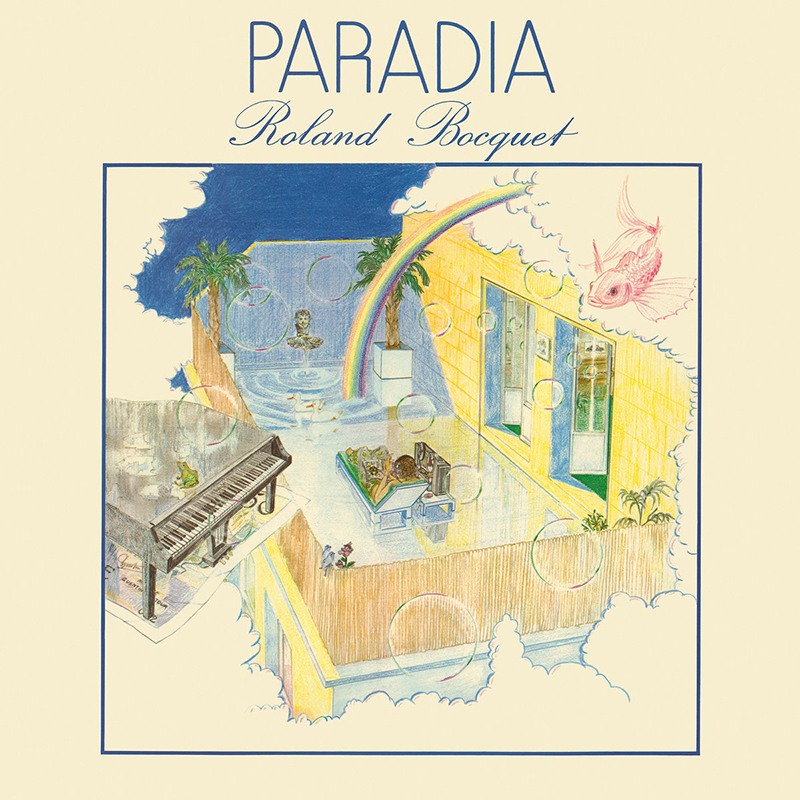
[et_pb_section fb_built= »1″ _builder_version= »4.9.4″ background_color= »#27657f » min_height= »407.7px » custom_padding= »68px||0px||| » global_colors_info= »{} »][et_pb_row make_equal= »on » custom_padding_last_edited= »on|phone » _builder_version= »4.9.4″ width= »60% » width_tablet= »90% » width_phone= »90% » width_last_edited= »on|phone » custom_margin= »||||false|false » custom_margin_tablet= » » custom_margin_phone= »0px||||false|false » custom_margin_last_edited= »on|phone » custom_padding_tablet= » » custom_padding_phone= »0px||||false|false » animation_style= »fade » global_colors_info= »{} »][et_pb_column type= »4_4″ _builder_version= »4.0.6″ global_colors_info= »{} »][et_pb_text content_last_edited= »off|desktop » _builder_version= »4.12.1″ text_text_color= »#ffffff » text_font_size= »50px » text_line_height= »1em » custom_padding= »30px||30px||true|false » global_colors_info= »{} »] ROLAND BOCQUET, Paradia [/et_pb_text][et_pb_text _builder_version= »4.12.1″ text_font= »Roboto|100||||||| » text_text_color= »#ffffff » text_font_size= »28px » text_line_height= »1.2em » custom_margin= »9px||||| » custom_padding= »||2px||| » global_colors_info= »{} »] sortie le 11 octobre 2021 chez WRWTFWW Records [/et_pb_text][et_pb_divider color= »#ff7ad2″ divider_style= »dotted » divider_position= »center » _builder_version= »4.0.6″ custom_margin= »0px||13px||false|false » custom_padding= »0px||0px||true|true » global_colors_info= »{} »][/et_pb_divider][et_pb_post_title title= »off » date_format= »j M Y » comments= »off » featured_image= »off » _builder_version= »4.9.4″ _module_preset= »default » meta_font= »Roboto|100||||||| » meta_text_color= »#FFFFFF » global_colors_info= »{} »][/et_pb_post_title][/et_pb_column][/et_pb_row][/et_pb_section][et_pb_section fb_built= »1″ custom_padding_last_edited= »on|phone » _builder_version= »4.9.4″ background_color= »#FFFFFF » custom_margin= »||||false|false » custom_margin_tablet= » » custom_margin_phone= »||0px||false|false » custom_margin_last_edited= »on|phone » custom_padding= »||||false|false » custom_padding_tablet= » » custom_padding_phone= »||0px||false|false » global_colors_info= »{} »][et_pb_row column_structure= »3_5,2_5″ _builder_version= »4.9.4″ width= »60% » width_tablet= »90% » width_phone= »90% » width_last_edited= »on|phone » custom_padding= »||2px||| » global_colors_info= »{} »][et_pb_column type= »3_5″ _builder_version= »4.0.4″ global_colors_info= »{} »][et_pb_image src= »https://pointbreak.fr/wp-content/uploads/2021/11/a3871766345_10.jpg » alt= »Roland Bocquet – Paradia » title_text= »Roland Bocquet – Paradia » _builder_version= »4.12.1″ _module_preset= »default » custom_margin= »||||false|false » animation_style= »fade » animation_direction= »left » animation_duration= »1450ms » border_color_all= »rgba(0,0,0,0.08) » box_shadow_style= »preset3″ box_shadow_vertical= »9px » global_colors_info= »{} »][/et_pb_image][et_pb_code _builder_version= »4.12.1″ _module_preset= »default » custom_margin= »4em||||false|false » hover_enabled= »0″ global_colors_info= »{} » sticky_enabled= »0″]Paradia by Roland Bocquet[/et_pb_code][et_pb_text content_tablet= » ENGLISH / FRANÇAIS 1977. When some lads babbled like punks and glued their hair with beer gushes, others were adjusting their ties and plugging in their synthesizers. They were inventing the future while the first ones were trying to block it. And that same future is present in every measure of this Paradia, chiseled with great class and accuracy by Roland Bocquet. With some French puns too, slipped into the titles and some melodies. The Ducks play pocket choral symphonies, we dance on T’aime Libanais and on Bee Flat. Bocquet, as a good punk with a suit, doesn’t deny himself anything. This reissue, also very classy, shows it from head to tail. 10 tracks to take in disorder, according to the mood or the direction of the wind. That blows in Djerba or L’Allumette. The one that just shakes the branches of a burning bush, unclassifiable. As strange as feel-good. The beautiful bizarre deployed by Roland Bocquet has the sense of the break of climate, of the effects of style and sleeve. In short the sense of the catharsis, with a capital letter even for the group of which Bocquet occupied the keyboards. Here, in the heart of this small sonic purge, the disinhibited comfort. We said it, nothing is forbidden. Not even the small minimal and futuristic dancefloor of Exotique. Nothing. Nada. » content_phone= » ENGLISH / FRANÇAIS 1977. When some lads babbled like punks and glued their hair with beer gushes, others were adjusting their ties and plugging in their synthesizers. They were inventing the future while the first ones were trying to block it. And that same future is present in every measure of this Paradia, chiseled with great class and accuracy by Roland Bocquet. With some French puns too, slipped into the titles and some melodies. The Ducks play pocket choral symphonies, we dance on T’aime Libanais and on Bee Flat. Bocquet, as a good punk with a suit, doesn’t deny himself anything. This reissue, also very classy, shows it from head to tail. 10 tracks to take in disorder, according to the mood or the direction of the wind. That blows in Djerba or L’Allumette. The one that just shakes the branches of a burning bush, unclassifiable. As strange as feel-good. The beautiful bizarre deployed by Roland Bocquet has the sense of the break of climate, of the effects of style and sleeve. In short the sense of the catharsis, with a capital letter even for the group of which Bocquet occupied the keyboards. Here, in the heart of this small sonic purge, the disinhibited comfort. We said it, nothing is forbidden. Not even the small minimal and futuristic dancefloor of Exotique. Nothing. Nada. » content_last_edited= »on|phone » _builder_version= »4.12.1″ _module_preset= »default » text_text_color= »#000000″ text_font_size= »16px » custom_margin= »5%||||false|false » global_colors_info= »{} »] ENGLISH 1977. When some lads babbled like punks and glued their hair with beer gushes, others were adjusting their ties and plugging in their synthesizers. They were inventing the future while the first ones were trying to block it. And that same future is present in every measure of this Paradia, chiseled with great class and accuracy by Roland Bocquet. With some French puns too, slipped into the titles and some melodies. The Ducks play pocket choral symphonies, we dance on T’aime Libanais and on Bee Flat. Bocquet, as a good punk with a suit, doesn’t deny himself anything. This reissue, also very classy, shows it from head to tail. 10 tracks to take in disorder, according to the mood or the direction of the wind. That blows in Djerba or L’Allumette. The one that just shakes the branches of a burning bush, unclassifiable. As strange as feel-good. The beautiful bizarre deployed by Roland Bocquet has the sense of the break of climate, of the effects of style and sleeve. In short the sense of the catharsis, with a capital letter even for the group of which Bocquet occupied the keyboards. Here, in the heart of this small sonic purge, the disinhibited comfort. We said it, nothing is forbidden. Not even the small minimal and futuristic dancefloor of Exotique. Nothing. Nada. [/et_pb_text][/et_pb_column][et_pb_column type= »2_5″ _builder_version= »4.0.4″ global_colors_info= »{} »][et_pb_text _builder_version= »4.12.1″ _module_preset= »default » text_text_color= »#000000″ link_font= »Roboto|||||||| » link_text_color= »#ff6600″ global_colors_info= »{} »] 1977. Quand des zozos faisaient les punks en se collant les cheveux à la bière, d’autres ajustaient leurs cravates et branchaient leurs synthétiseurs. Eux inventaient le futur quand les premiers tentaient de lui compliquer l’avenir. Et du futur, il y en a à tous les mesures de ce Paradia, ciselé avec grande classe et super justesse par Roland Bocquet. Avec quelques jeux de mots aussi, glissés dans les titres et quelques mélodies. Les Canards jouent des symphonies chorales de poche, on danse sur T’aime Libanais et sur Bee Flat. Bocquet, en bon punk à costard, ne se refusent rien et s’en interdit pas moins. Cette réédition, très classe elle-aussi, le montre de la tête à la queue. 10 titres à prendre dans le désordre, selon l’humeur ou le sens du vent. Celui souffle à Djerba ou L’Allumette. Celui qui bouscule tout juste les rameaux d’un buisson ardent, inclassable. Aussi étrange que feel-good. Le beau bizarre déployé par Roland Bocquet a le sens de la rupture de climat, des effets de style et de manche. Bref le sens de de la catharsis, avec une majuscule même pour le groupe dont
Code Of Being, chronique
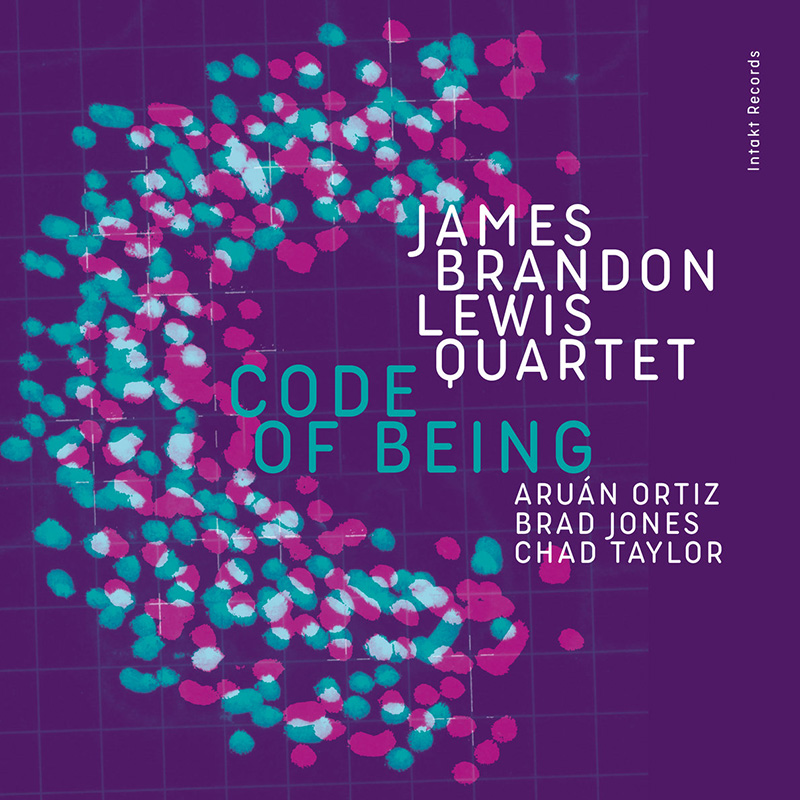
[et_pb_section fb_built= »1″ _builder_version= »4.9.4″ background_color= »#27657f » min_height= »407.7px » custom_padding= »68px||0px||| » global_colors_info= »{} »][et_pb_row make_equal= »on » custom_padding_last_edited= »on|phone » _builder_version= »4.9.4″ width= »60% » width_tablet= »90% » width_phone= »90% » width_last_edited= »on|phone » custom_margin= »||||false|false » custom_margin_tablet= » » custom_margin_phone= »0px||||false|false » custom_margin_last_edited= »on|phone » custom_padding_tablet= » » custom_padding_phone= »0px||||false|false » animation_style= »fade » global_colors_info= »{} »][et_pb_column type= »4_4″ _builder_version= »4.0.6″ global_colors_info= »{} »][et_pb_text content_last_edited= »off|desktop » _builder_version= »4.12.1″ text_text_color= »#ffffff » text_font_size= »50px » text_line_height= »1em » custom_padding= »30px||30px||true|false » global_colors_info= »{} »] JAMES BRANDON LEWIS QUARTET,Code Of Being [/et_pb_text][et_pb_text _builder_version= »4.12.1″ text_font= »Roboto|100||||||| » text_text_color= »#ffffff » text_font_size= »28px » text_line_height= »1.2em » custom_margin= »9px||||| » custom_padding= »||2px||| » global_colors_info= »{} »] sortie le 16 octobre 2021 chez Intakt Records [/et_pb_text][et_pb_divider color= »#ff7ad2″ divider_style= »dotted » divider_position= »center » _builder_version= »4.0.6″ custom_margin= »0px||13px||false|false » custom_padding= »0px||0px||true|true » global_colors_info= »{} »][/et_pb_divider][et_pb_post_title title= »off » date_format= »j M Y » comments= »off » featured_image= »off » _builder_version= »4.9.4″ _module_preset= »default » meta_font= »Roboto|100||||||| » meta_text_color= »#FFFFFF » global_colors_info= »{} »][/et_pb_post_title][/et_pb_column][/et_pb_row][/et_pb_section][et_pb_section fb_built= »1″ custom_padding_last_edited= »on|phone » _builder_version= »4.9.4″ background_color= »#FFFFFF » custom_margin= »||||false|false » custom_margin_tablet= » » custom_margin_phone= »||0px||false|false » custom_margin_last_edited= »on|phone » custom_padding= »||||false|false » custom_padding_tablet= » » custom_padding_phone= »||0px||false|false » global_colors_info= »{} »][et_pb_row column_structure= »3_5,2_5″ _builder_version= »4.9.4″ width= »60% » width_tablet= »90% » width_phone= »90% » width_last_edited= »on|phone » custom_padding= »||2px||| » global_colors_info= »{} »][et_pb_column type= »3_5″ _builder_version= »4.0.4″ global_colors_info= »{} »][et_pb_image src= »https://pointbreak.fr/wp-content/uploads/2021/11/CodeOfBeing_JamesBrandonLewis.jpg » alt= »Code Of Being du James Brandon Lewis Quartet » title_text= »Code Of Being James Brandon Lewis Quartet » _builder_version= »4.12.1″ _module_preset= »default » custom_margin= »||||false|false » animation_style= »fade » animation_direction= »left » animation_duration= »1450ms » border_color_all= »rgba(0,0,0,0.08) » box_shadow_style= »preset3″ box_shadow_vertical= »9px » global_colors_info= »{} »][/et_pb_image][et_pb_code _builder_version= »4.12.1″ _module_preset= »default » custom_margin= »3em||||false|false » hover_enabled= »0″ global_colors_info= »{} » sticky_enabled= »0″]Code of Being by JAMES BRANDON LEWIS QUARTET with Aruán Ortiz, Brad Jones and Chad Taylor[/et_pb_code][et_pb_text content_tablet= » ENGLISH / FRANÇAIS Square thang. This quartet is bring to its squaring and, on Code Of Being, the stability remains the same as the one we left in Molecular. Perfectly unstable. Reptilian pulse, clarity of the showed teeth, implicit and soulful jerks. We persists here, James Brandon prolongs the worried lyricism of a Sonny Rollins. Per 5 sounds with this personal urgency, this necessity to say things that have to. James Brandon Lewis exposes on tenor a holly heritage with a maverick side in its soft power. Sacred music? We Insist! The small litanies in crescendo say a lot about the saxophonist, about a love of the World, renewed every morning, we bet. The same goes for the whole quartet. A combo less concerned with the rage of wanting to find how to say things than with the energy of experimenting a common way to do it. Each one of these 4 has the keys of the Code Of Being together and united. Hear at Chad Taylor drilling holes in his pals’ language on Archimedean and the eponymous track. Look at Aruán Ortiz and the Latin clusters of Where Is Hela where Lewis plays unstoppable and stirring, displays his skills for balanced notes. Without surprise, nothing is free in this record, classy compositions and terrific interplay. The energy to fraternize even offers itself the delicate luxury to be able to ease angers for some time. » content_phone= » ENGLISH / FRANÇAIS Square thang. This quartet is bring to its squaring and, on Code Of Being, the stability remains the same as the one we left in Molecular. Perfectly unstable. Reptilian pulse, clarity of the showed teeth, implicit and soulful jerks. We persists here, James Brandon prolongs the worried lyricism of a Sonny Rollins. Per 5 sounds with this personal urgency, this necessity to say things that have to. James Brandon Lewis exposes on tenor a holly heritage with a maverick side in its soft power. Sacred music? We Insist! The small litanies in crescendo say a lot about the saxophonist, about a love of the World, renewed every morning, we bet. The same goes for the whole quartet. A combo less concerned with the rage of wanting to find how to say things than with the energy of experimenting a common way to do it. Each one of these 4 has the keys of the Code Of Being together and united. Hear at Chad Taylor drilling holes in his pals’ language on Archimedean and the eponymous track. Look at Aruán Ortiz and the Latin clusters of Where Is Hela where Lewis plays unstoppable and stirring, displays his skills for balanced notes. Without surprise, nothing is free in this record, classy compositions and terrific interplay. The energy to fraternize even offers itself the delicate luxury to be able to ease angers for some time. » content_last_edited= »on|phone » _builder_version= »4.12.1″ _module_preset= »default » text_text_color= »#000000″ text_font_size= »16px » custom_margin= »5%||||false|false » global_colors_info= »{} »] ENGLISH Square thang. This quartet is bring to its squaring and, on Code Of Being, the stability remains the same as the one we left in Molecular. Perfectly unstable. Reptilian pulse, clarity of the showed teeth, implicit and soulful jerks. We persists here, James Brandon prolongs the worried lyricism of a Sonny Rollins. Per 5 sounds with this personal urgency, this necessity to say things that have to. James Brandon Lewis exposes on tenor a holly heritage with a maverick side in its soft power. Sacred music? We Insist! The small litanies in crescendo say a lot about the saxophonist, about a love of the World, renewed every morning, we bet. The same goes for the whole quartet. A combo less concerned with the rage of wanting to find how to say things than with the energy of experimenting a common way to do it. Each one of these 4 has the keys of the Code Of Being together and united. Hear at Chad Taylor drilling holes in his pals’ language on Archimedean and the eponymous track. Look at Aruán Ortiz and the Latin clusters of Where Is Hela where Lewis plays unstoppable and stirring, displays his skills for balanced notes. Without surprise, nothing is free in this record, classy compositions and terrific interplay. The energy to fraternize even offers itself the delicate luxury to be able to ease angers for some time. [/et_pb_text][/et_pb_column][et_pb_column type= »2_5″ _builder_version= »4.0.4″ global_colors_info= »{} »][et_pb_text _builder_version= »4.12.1″ _module_preset= »default » text_text_color= »#000000″ link_font= »Roboto|||||||| » link_text_color= »#ff6600″ global_colors_info= »{} »] C’est carré. Ce quartet est renvoyé à sa quadrature et, sur Code Of Being, l’équilibre reste le même que celui des particules de Molecular. Parfaitement instable. Pulse reptilien, clarté des incisives montrée, saccades implicites et pleines de soul. On persiste ici, James Brandon prolonge le lyrisme inquiet d’un Sonny Rollins. Per 5 résonne de cette urgence personnelle, de cette nécessité à dire les choses. James Brandon Lewis, au ténor expose un héritage soul toujours un peu contestataire dans son soft power. Musique sacrée ? We Insist! Les petites litanies en crescendo en disent long sur le saxophoniste, sur un amour du Monde, renouvelé chaque matin. Idem pour l’ensemble du quartet. Quartet moins porté sur la rage de vouloir trouver comment dire les choses que sur l’énergie d’expérimenter un commun pour le
Pensées Rotatives, chronique
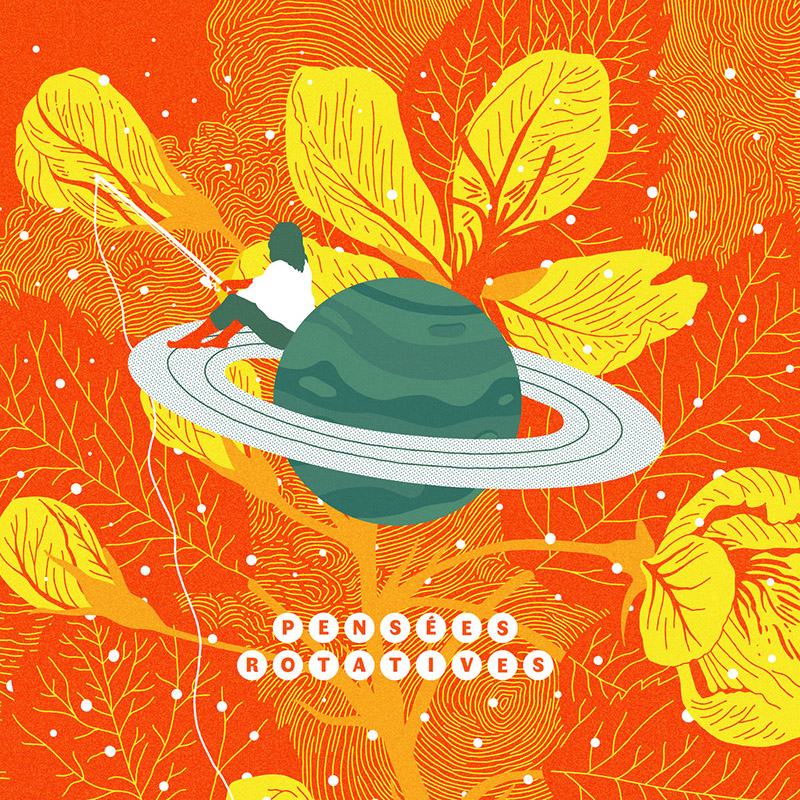
[et_pb_section fb_built= »1″ _builder_version= »4.9.4″ background_color= »#27657f » min_height= »407.7px » custom_padding= »68px||0px||| » global_colors_info= »{} »][et_pb_row make_equal= »on » custom_padding_last_edited= »on|phone » _builder_version= »4.9.4″ width= »60% » width_tablet= »90% » width_phone= »90% » width_last_edited= »on|phone » custom_margin= »||||false|false » custom_margin_tablet= » » custom_margin_phone= »0px||||false|false » custom_margin_last_edited= »on|phone » custom_padding_tablet= » » custom_padding_phone= »0px||||false|false » animation_style= »fade » global_colors_info= »{} »][et_pb_column type= »4_4″ _builder_version= »4.0.6″ global_colors_info= »{} »][et_pb_text content_last_edited= »off|desktop » _builder_version= »4.11.4″ text_text_color= »#ffffff » text_font_size= »50px » text_line_height= »1em » custom_padding= »30px||30px||true|false » global_colors_info= »{} »] THÉO GIRARD, Pensées Rotatives [/et_pb_text][et_pb_text _builder_version= »4.11.4″ text_font= »Roboto|100||||||| » text_text_color= »#ffffff » text_font_size= »28px » text_line_height= »1.2em » custom_margin= »9px||||| » custom_padding= »||2px||| » global_colors_info= »{} »] sortie le 5 novembre 2021 par Discobole Records [/et_pb_text][et_pb_divider color= »#ff7ad2″ divider_style= »dotted » divider_position= »center » _builder_version= »4.0.6″ custom_margin= »0px||13px||false|false » custom_padding= »0px||0px||true|true » global_colors_info= »{} »][/et_pb_divider][et_pb_post_title title= »off » date_format= »j M Y » comments= »off » featured_image= »off » _builder_version= »4.9.4″ _module_preset= »default » meta_font= »Roboto|100||||||| » meta_text_color= »#FFFFFF » global_colors_info= »{} »][/et_pb_post_title][/et_pb_column][/et_pb_row][/et_pb_section][et_pb_section fb_built= »1″ custom_padding_last_edited= »on|phone » _builder_version= »4.9.4″ background_color= »#FFFFFF » custom_margin= »||||false|false » custom_margin_tablet= » » custom_margin_phone= »||0px||false|false » custom_margin_last_edited= »on|phone » custom_padding= »||||false|false » custom_padding_tablet= » » custom_padding_phone= »||0px||false|false » global_colors_info= »{} »][et_pb_row column_structure= »3_5,2_5″ _builder_version= »4.9.4″ width= »60% » width_tablet= »90% » width_phone= »90% » width_last_edited= »on|phone » custom_padding= »||2px||| » global_colors_info= »{} »][et_pb_column type= »3_5″ _builder_version= »4.0.4″ global_colors_info= »{} »][et_pb_image src= »https://pointbreak.fr/wp-content/uploads/2021/10/TheoGirardPenseeRotatives.jpg » alt= »Pensées Rotatives de Théo Girard » title_text= »Pensées Rotatives de Théo Girard » _builder_version= »4.11.4″ _module_preset= »default » custom_margin= »||||false|false » animation_style= »fade » animation_direction= »left » animation_duration= »1450ms » border_color_all= »rgba(0,0,0,0.08) » box_shadow_style= »preset3″ box_shadow_vertical= »9px » global_colors_info= »{} »][/et_pb_image][et_pb_code _builder_version= »4.11.4″ _module_preset= »default » custom_margin= »4em||||false|false » global_colors_info= »{} »]Pensées Rotatives by Théo Girard[/et_pb_code][et_pb_text content_tablet= » ENGLISH / FRANÇAIS Seven times ya tongue, let it swirl in ya mouth. And the thoughts that go with it, too. Better, wiser, more reasonable. But the reason, Théo Girard seems to have any care if we judge with the tympanum. 12 blowers to encircle his nuclear trio, where Seb Rochford and Antoine Berjeaut play the pillars. All escaped from collective indociles, soloists used to the microton and faithful of the incendiary salvos of the big families of the sax-trumpet duo. That is to say 15 lads to encircle the assembly gathered in Coutances for this 2019 edition of Jazz Sous les Pommiers. 15 musicians to propel the Pensées Rotatives imagined by the double bass player. And the idea of machinery underpinned by the title of the project, moves forward, animated by a playful and confident internal movement. Nothing goes round, nothing goes in circles. These thoughts are inventive when it comes to diverting the principles set. Even the Rollercoaster doesn’t follow the tracks it has set. The principles are here to play. And to play together, with a French Jazz Squad who would have understood the usefulness of collective game and incessant passing. The tutti sono disarming of effectiveness and the individualities eat the ground when the implicit claims them. Le Chameau crosses his bridge sinuously with a jungle trumpet in its ear, Tom & Jerry worship a little on the flames of a tenor. And in the welcome rotation of these circles of thought in action, The Bosphorus embraces Ethiopia, Oliver Nelson stands on the shoulder of a carioca Mingus. A perfect concert document. Fiery and yet very clear. » content_phone= » ENGLISH / FRANÇAIS Seven times ya tongue, let it swirl in ya mouth. And the thoughts that go with it, too. Better, wiser, more reasonable. But the reason, Théo Girard seems to have any care if we judge with the tympanum. 12 blowers to encircle his nuclear trio, where Seb Rochford and Antoine Berjeaut play the pillars. All escaped from collective indociles, soloists used to the microton and faithful of the incendiary salvos of the big families of the sax-trumpet duo. That is to say 15 lads to encircle the assembly gathered in Coutances for this 2019 edition of Jazz Sous les Pommiers. 15 musicians to propel the Pensées Rotatives imagined by the double bass player. And the idea of machinery underpinned by the title of the project, moves forward, animated by a playful and confident internal movement. Nothing goes round, nothing goes in circles. These thoughts are inventive when it comes to diverting the principles set. Even the Rollercoaster doesn’t follow the tracks it has set. The principles are here to play. And to play together, with a French Jazz Squad who would have understood the usefulness of collective game and incessant passing. The tutti sono disarming of effectiveness and the individualities eat the ground when the implicit claims them. Le Chameau crosses his bridge sinuously with a jungle trumpet in its ear, Tom & Jerry worship a little on the flames of a tenor. And in the welcome rotation of these circles of thought in action, The Bosphorus embraces Ethiopia, Oliver Nelson stands on the shoulder of a carioca Mingus. A perfect concert document. Fiery and yet very clear. » content_last_edited= »on|phone » _builder_version= »4.11.4″ _module_preset= »default » text_text_color= »#000000″ text_font_size= »16px » custom_margin= »5%||||false|false » global_colors_info= »{} »] ENGLISH Seven times ya tongue, let it swirl in ya mouth. And the thoughts that go with it, too. Better, wiser, more reasonable. But the reason, Théo Girard seems to have any care if we judge with the tympanum. 12 blowers to encircle his nuclear trio, where Seb Rochford and Antoine Berjeaut play the pillars. All escaped from collective indociles, soloists used to the microton and faithful of the incendiary salvos of the big families of the sax-trumpet duo. That is to say 15 lads to encircle the assembly gathered in Coutances for this 2019 edition of Jazz Sous les Pommiers. 15 musicians to propel the Pensées Rotatives imagined by the double bass player. And the idea of machinery underpinned by the title of the project, moves forward, animated by a playful and confident internal movement. Nothing goes round, nothing goes in circles. These thoughts are inventive when it comes to diverting the principles set. Even the Rollercoaster doesn’t follow the tracks it has set. The principles are here to play. And to play together, with a French Jazz Squad who would have understood the usefulness of collective game and incessant passing. The tutti sono disarming of effectiveness and the individualities eat the ground when the implicit claims them. Le Chameau crosses his bridge sinuously with a jungle trumpet in its ear, Tom & Jerry worship a little on the flames of a tenor. And in the welcome rotation of these circles of thought in action, The Bosphorus embraces Ethiopia, Oliver Nelson stands on the shoulder of a carioca Mingus. A perfect concert document. Fiery and yet very clear. [/et_pb_text][/et_pb_column][et_pb_column type= »2_5″ _builder_version= »4.0.4″ global_colors_info= »{} »][et_pb_text _builder_version= »4.11.4″ _module_preset= »default » text_text_color= »#000000″ link_font= »Roboto|||||||| » link_text_color= »#ff6600″ hover_enabled= »0″ global_colors_info= »{} » sticky_enabled= »0″] Sept fois sa langue. À laisser tourner dans sa bouche. Et les pensées qui vont avec, aussi. Mieux, plus sage. Mais la sagesse, Théo Girard n’en a cure à en juger au tympan. 12 soufflants pour encercler son trio nucléaire, où
Alice Coltrane, matrimoine
[et_pb_section fb_built= »1″ _builder_version= »4.11.4″ background_color= »#38001f » hover_enabled= »0″ global_colors_info= »{} » sticky_enabled= »0″][et_pb_row make_equal= »on » custom_padding_last_edited= »on|tablet » _builder_version= »4.9.4″ width= »60% » width_tablet= »90% » width_phone= » » width_last_edited= »on|tablet » custom_margin= »||||false|false » custom_padding_tablet= »0px||0px||true|false » custom_padding_phone= » » animation_style= »fade » global_colors_info= »{} »][et_pb_column type= »4_4″ _builder_version= »4.0.6″ global_colors_info= »{} »][et_pb_text content_tablet= » Aretha Franklin, l’arme à l’œil. » content_phone= » Aretha Franklin,l’arme à l’œil. » content_last_edited= »off|desktop » _builder_version= »4.11.4″ text_font= »|300||||||| » text_text_color= »#ffffff » text_font_size= »50px » text_line_height= »0.9em » header_font= »Roboto|300||||||| » header_text_color= »#FFFFFF » header_font_size= »50px » custom_padding= »0.5em||0.5em||true|false » custom_padding_tablet= » » custom_padding_phone= »0em||0em||true|false » custom_padding_last_edited= »on|phone » hover_enabled= »0″ text_font_size_phone= »40px » text_font_size_last_edited= »off|phone » header_font_size_tablet= » » header_font_size_phone= »40px » header_font_size_last_edited= »on|phone » global_colors_info= »{} » sticky_enabled= »0″] Alice Coltrane, l’autre côté du miroir [/et_pb_text][et_pb_divider color= »rgba(255,255,255,0.4) » divider_style= »dotted » divider_position= »center » _builder_version= »4.9.4″ width= »50% » custom_margin= »0px||13px||false|false » custom_padding= »0px||0px||true|true » global_colors_info= »{} »][/et_pb_divider][et_pb_post_title title= »off » date_format= »j M Y » comments= »off » featured_image= »off » _builder_version= »4.9.4″ title_level= »h4″ title_font= »|600||||||| » title_text_color= »#ffffff » meta_font= »Roboto|100||||||| » meta_text_color= »#ffffff » meta_font_size= »16px » meta_line_height= »0.9em » meta_font_size_tablet= » » meta_font_size_phone= »14px » meta_font_size_last_edited= »on|phone » meta_line_height_tablet= » » meta_line_height_phone= »1.2em » meta_line_height_last_edited= »on|phone » global_colors_info= »{} »][/et_pb_post_title][/et_pb_column][/et_pb_row][/et_pb_section][et_pb_section fb_built= »1″ fullwidth= »on » _builder_version= »4.9.0″ _module_preset= »default » global_colors_info= »{} »][et_pb_fullwidth_image src= »https://pointbreak.fr/wp-content/uploads/2021/10/Alice-ColtraneFront.png » alt= »Alice Coltrane » title_text= »Alice Coltrane » _builder_version= »4.11.4″ _module_preset= »default » global_colors_info= »{} »][/et_pb_fullwidth_image][/et_pb_section][et_pb_section fb_built= »1″ _builder_version= »4.9.7″ background_enable_color= »off » custom_padding= »2em||2em||false|false » global_colors_info= »{} »][et_pb_row _builder_version= »4.9.4″ width= »60% » width_tablet= »90% » width_phone= » » width_last_edited= »on|tablet » custom_margin= »||||false|false » custom_padding= »1em||||false|false » global_colors_info= »{} »][et_pb_column type= »4_4″ _builder_version= »4.0.4″ global_colors_info= »{} »][et_pb_text content_phone= » Dans l’héritage du jazz, il y a deux types de types. Et c’est encore plus vrai quand ces types sont des femmes. Et des chanteuses de surcroît. Il y a celles qui nagent dans la mélodie, plongent dans la joliesse et lavent à grandes eaux leurs élans et retenues. Et puis il y a les autres. Celles qui piochent. Celles qui tapent dur dans la mélodie pour en sortir du théâtre vocal, du gris par nuances entières, celles qui cherchent d’abord à vous vriller l’intestin avant de cajoler votre oreille. Parmi celles-ci, il y a, bien entendu, Billy Holliday. Mais aussi, sa cadette de 8 ans, Carmen McRae. Pas moins terrible quand il s’agit de vous jeter votre humanité au visage, pas moins intelligente quand il faut vous allumer les hanchesde mélancolie aguicheuse.Efficace, radicale. Carmen McRae est américaine et elle naît en avril 1920. 1920 aux States, c’est l’époque où être une femme noire, faite de de jazz annonce forcément quelques combats à venir. Ce sont sans doute ces batailles annoncées qui ont forgé sa maîtrise du phrasé à contretemps, sa science des graves, chauds comme un regard de Gorgone. Ce sont sans doute aussi ces batailles obligées qui ont marqué sa voix et ses interprétations d’une ironie lucide. Au sommet dans ses interprétations de ballades. Comme Billie, Carmen ne fait pas dans la complainte, mais vient vous chercher et, avec vous, cette prise de responsabilité qui vous rappelle que le jazz, c’est certes parfois joli, mais que c’est surtout dangereux, et donc, souvent aussi agréable. Côté bio, Carmen McRae nait en donc 1920, apprend le piano, s’installe à Brooklyn, inscrit à chaque concert une chanson de Billie Holliday puis, après avoir éternellement refusé d’arrêter de fumer meurt de complications respiratoires en 1994. Entre temps, elle aura chanté en compagnie de de quelques mâles jazz connus de tous comme Benny Carter, Count Basie, Sammy Davis Jr. et Louis Armstrong. Dave Brubeck, aussi dont elle rénove, deux après sa création, et d’un coup de talon délicieux le Take 5. L’homme Brubeck a propulsé son morceau dans les charts, la femme McRae l’a balancé dans les étoiles. Chacun sa cible. Pourtant, chez Carmen McRae, la cheminée ne porte ni Grammy Award, ni Disque d’Or. Ella Fitzgerald et Sarah Vaughan avaient déjà tout rafflé. Mais sa discographie ne connait aucun faux pas. McRae avale jazz, groove, et soul avec la classe d’un gosier à toute épreuve. La sélection, strictement subjective, des 7 titres ci-dessous devraient suffire à vous convaincre. » content_last_edited= »off|desktop » _builder_version= »4.11.4″ text_text_color= »#000000″ text_orientation= »justified » text_font_size_tablet= » » text_font_size_phone= »18px » text_font_size_last_edited= »on|phone » text_orientation_tablet= »left » text_orientation_phone= » » text_orientation_last_edited= »on|desktop » global_colors_info= »{} »] Dans l’héritage du jazz, il y a deux types de types. Et c’est encore plus vrai quand ces types sont des femmes. Certaines se font remarquer dans l’histoire du jazz. D’autres, dans les marges de l’Histoire. Il y a celles qui définissent les normes, jouent des coudes puis abandonnent. Et puis il y a les autres. Celles qui abandonnent après avoir fait le tour des légendes et de l’univers. Celles qui percent des trous dans l’inconnu. Celles qui après avoir patiemment étudié les arcanes du jazz, observé les luttes afférentes et défié quelques virilités jazz sur leurs terrains, font le pari de la dévotion intérieure et enflamment un paquet d’enregistrements indomptables. Parmi celles-ci, il y a Alice Coltrane. Alerte quand il s’agit de jouer à la marge, frappeuse quand il s’agit de jouer le gospel au piano en compagnie du gratin du free, flamboyante quand il faut allumer l’oreille avec un Om tout hindou. Alice est ainsi. Ravageuse, libre et universelle. Alice Coltrane est afro-américaine et elle naît à Detroit en août 1937. À Detroit, c’est l’époque où l’industrie auto rugit encore mais les tensions raciales aussi. Aux States, le jazz s’apprend encore et toujours dans les églises, de bouche à oreille. Avec les tripes aussi, l’amour ne joue pas les bégueules. Des chants possédés, le piano a appris à triturer, à pousser le bassin et le pelvis dans des transes insalubres mais magnifiques. Des transes qui iront même prendre l’avant-garde à contrepied. Alice rencontre John en 1963, intègre son groupe en 1965 quand le quartet historique craque sous la pression tellurique de Coltrane. McCoy Tyner et Elvin Jones déposent le bilan. Coltrane, mari et femme, embarquent Rashied Ali et Pharoah Sanders dans une virée cosmique, dont le dernier n’est jamais vraiment revenu. Alice pousse encore plus loin à la mort de Trane. Elle ne jouera jamais les veuves en veille sur l’héritage du défunt. Trop libre pour cela. Alice s’éprend d’ailleurs. D’Inde et de vie spirituelle. Ses enregistrements en témoignent, calment les feux intérieurs quand la plupart des freeteurs balancent des flammes de dragon. Grandes largeurs avec Dave Holland et le jeune Santana, basique vénère avec le Monastic Trio, large et pleine sur le mythique Journey In Satchidananda. Pleine d’une pensée et d’un mystique inoxydables. [/et_pb_text][/et_pb_column][/et_pb_row][et_pb_row column_structure= »1_3,1_3,1_3″ _builder_version= »4.9.4″ width= »60% » width_tablet= »90% » width_phone= » » width_last_edited= »on|tablet » custom_padding= »0.5em||0.5em||true|false » global_colors_info= »{} »][et_pb_column type= »1_3″ _builder_version= »4.0.4″ global_colors_info= »{} »][et_pb_text _builder_version= »4.11.4″ text_font_size= »14px » custom_margin= »||0.5em||false|false » text_font_size_tablet= » » text_font_size_phone= »12px » text_font_size_last_edited= »on|phone » global_colors_info= »{} »] Little « S » (1964) [/et_pb_text][et_pb_video src= »https://youtu.be/Y9rPzJJ-jUo » image_src= »https://pointbreak.fr/wp-content/uploads/2021/10/Alice-Coltrane1.png » use_icon_font_size= »on » icon_font_size= »90px » _builder_version= »4.11.4″ _module_preset= »default » global_colors_info= »{} »][/et_pb_video][/et_pb_column][et_pb_column type= »1_3″ _builder_version= »4.0.4″ global_colors_info= »{} »][et_pb_text _builder_version= »4.11.4″ text_font_size= »14px » custom_margin= »||0.5em||false|false » text_font_size_tablet= » » text_font_size_phone= »12px » text_font_size_last_edited= »on|phone » global_colors_info= »{} »] Gospel Trane (1968) [/et_pb_text][et_pb_video src= »https://youtu.be/dkBVckAKFmM » image_src= »https://pointbreak.fr/wp-content/uploads/2021/10/Alice-Coltrane4.png » use_icon_font_size= »on » icon_font_size= »90px » _builder_version= »4.11.4″ _module_preset= »default » height= »100% » global_colors_info= »{} »][/et_pb_video][/et_pb_column][et_pb_column type= »1_3″ _builder_version= »4.0.4″ global_colors_info= »{} »][et_pb_text _builder_version= »4.11.4″ text_font_size= »13px » text_font_size_tablet= » » text_font_size_phone= »12px » text_font_size_last_edited= »on|tablet » global_colors_info= »{} »] Turiya & Ramakrishna (1970) [/et_pb_text][et_pb_video src= »https://youtu.be/QUMuDWDVd20″ image_src= »https://pointbreak.fr/wp-content/uploads/2021/10/Alice-Coltrane2.png » use_icon_font_size= »on » icon_font_size= »90px » _builder_version= »4.11.4″ _module_preset= »default » height= »100% »